
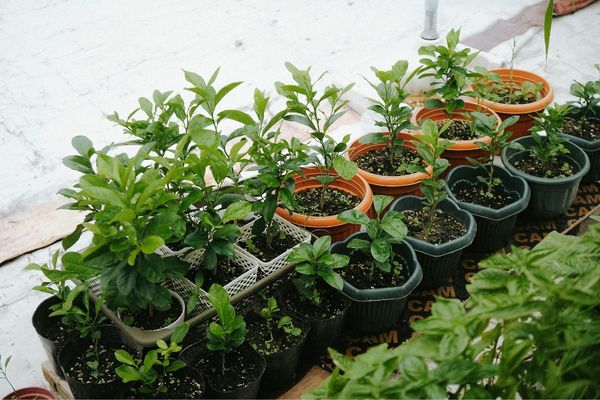
One of my favorite discoveries as a gardener has been realizing that you don’t need a large backyard to grow something beautiful and useful. Some of the plants that bring me the most joy live in tiny decorative pots scattered around my kitchen, dining room, and balcony.
There’s something incredibly satisfying about reaching over while preparing dinner and snipping a few fresh basil leaves or a sprig of thyme that I’ve grown myself. Those little pots don’t just provide fresh herbs—they make my home feel alive.
Creating mini herb gardens has become one of my favorite ways to combine gardening with interior decorating. They’re practical, charming, and surprisingly easy to maintain, even if you have very little space.
Why I Fell in Love with Mini Herb Gardens
When I first started gardening, I assumed growing herbs required large planters or outdoor beds. I couldn’t have been more wrong.
Mini herb gardens fit almost anywhere and offer so many benefits.
Here are a few reasons they’ve become part of my everyday life:
- Fresh herbs are always within reach.
- They make cooking more enjoyable.
- They brighten up indoor spaces.
- They require very little room.
- They’re perfect for beginners.
Even the smallest apartment can usually find space for a few decorative pots filled with herbs.
Choosing Herbs I Actually Use
One lesson I learned quickly was to grow herbs I genuinely enjoy cooking with.
It’s tempting to plant everything at once, but choosing herbs that regularly appear in my recipes makes the garden much more rewarding.
Some of my favorite choices include:
- Basil
- Parsley
- Chives
- Thyme
- Oregano
- Rosemary
- Cilantro
- Mint
Mint deserves its own container because of how enthusiastically it spreads. Giving it its own space keeps it from taking over the rest of the garden.
Decorative Pots Make Everything More Beautiful
The containers are almost as important as the plants themselves.
I love walking through garden centers searching for pots that match the personality of each herb.
Some days I choose rustic terracotta for a warm Mediterranean feel.
Other times I mix colorful ceramic pots to brighten a windowsill.
Metal containers, glazed pottery, and even vintage cups can become beautiful homes for herbs as long as drainage is taken seriously.
If a decorative pot doesn’t have drainage holes, I simply place a plastic nursery pot inside it.
That way I get the best of both worlds—healthy plants and beautiful décor.
Finding the Perfect Spot
Most culinary herbs love sunshine.
I keep many of mine on a bright kitchen windowsill where they receive plenty of natural light while remaining close whenever I’m cooking.
Other wonderful locations include:
- Sunny balconies
- Window boxes
- Dining room windows
- Patio tables
- Bright indoor shelves
Every week I rotate the pots slightly so each side receives equal sunlight.
It’s a simple habit that helps them grow evenly.
Giving Them Healthy Soil
Healthy herbs begin with healthy soil.
I always use a lightweight potting mix that drains well while still holding enough moisture for the roots.
Adding compost provides nutrients without making the soil too heavy.
I’ve learned never to fill decorative containers with ordinary garden soil because it tends to compact over time, making it harder for roots to breathe.
Watering Without Guessing
Watering herbs became much easier once I stopped following a schedule.
Instead, I simply touch the soil.
If the top layer feels dry, it’s usually time to water.
Different herbs have different preferences.
Basil and parsley enjoy consistently moist soil, while rosemary and thyme are much happier when allowed to dry slightly between waterings.
Paying attention to each plant instead of treating them all the same has made a huge difference.
Harvesting the Right Way
One of the greatest pleasures of growing herbs is using them.
Whenever I harvest, I cut stems just above a pair of leaves instead of removing random leaves one by one.
This encourages fuller, bushier growth.
I also avoid removing more than about one-third of the plant at a time.
The herbs recover quickly and reward me with fresh new growth.
Mixing Herbs for a Beautiful Display
Over time I discovered that mini herb gardens can be just as decorative as they are practical.
I like combining herbs with different textures and shades of green.
Some of my favorite combinations include:
- Basil with dill
- Chives beside parsley
- Rosemary next to thyme
- Oregano with sage
These combinations create visual contrast while making everyday cooking even more convenient.
Seasonal Changes
As the seasons change, my herb garden changes too.
During warm months, many of my pots move outside to enjoy fresh air and longer days.
When cooler weather arrives, I bring them indoors before temperatures become too cold.
Some herbs last for years with proper care, while others eventually need replacing.
Refreshing the soil every year keeps everything growing vigorously.
Small Gardens, Big Joy
What surprises me most about these tiny gardens isn’t the fresh herbs—although I certainly appreciate those. It’s how much happiness they bring into my daily routine.
Watering a few small pots each morning has become a peaceful ritual.
The scent of basil, rosemary, and mint fills my kitchen.
The greenery softens the room and reminds me to slow down, even on busy days.
It’s incredible how much life can grow from such a small corner of a home.
A Little Green Can Change Everything
Creating mini herb gardens in decorative pots has shown me that gardening isn’t measured by the size of the space you have. It’s measured by the care you give and the joy you receive in return. Every tiny pot on my windowsill tells a story of patience, creativity, and everyday moments made a little brighter. Whether I’m harvesting herbs for dinner or simply admiring the fresh green leaves, these miniature gardens remind me that beauty and abundance often come in the smallest packages.