
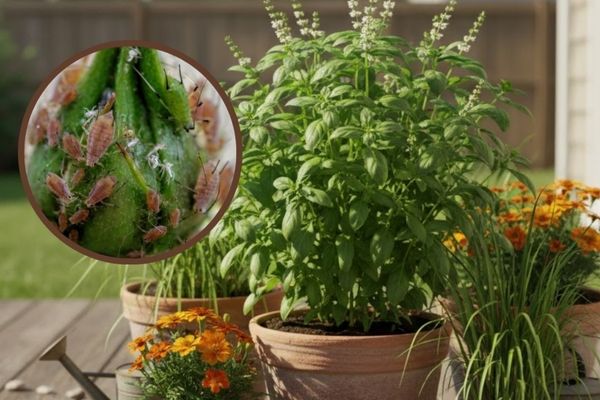
I used to think that keeping insects away from my garden meant choosing between living with annoying pests or using chemical sprays. Neither option felt right to me. I wanted a healthier solution—one that would protect my plants without harming pollinators or disrupting the natural balance of my little garden.
That’s when I discovered that some plants have been doing exactly that for centuries.
Many herbs and flowers naturally produce fragrances and compounds that insects dislike. By growing these plants around my home and garden, I’ve been able to create a more comfortable outdoor space while adding beauty, color, and wonderful scents at the same time.
If you’re looking for a more natural way to discourage unwanted insects, here are some of the plants that have worked best for me.
Why Some Plants Repel Insects
One of the most fascinating things I learned is that plants have their own natural defense systems.
Many species produce aromatic oils and compounds that interfere with an insect’s ability to locate food or suitable places to land. Strong fragrances can mask the scents that attract mosquitoes, flies, ants, and other pests, making the area much less appealing to them.
These plants won’t eliminate every insect, but they can noticeably reduce unwanted visitors when they’re placed in the right locations.
It’s a simple reminder that nature often provides its own solutions.
Basil: More Than a Kitchen Herb
Basil quickly became one of my favorite multi-purpose plants.
Not only do I use it almost every week in my cooking, but I’ve also noticed fewer flies and mosquitoes around the areas where I keep my basil pots.
I like placing basil near:
- Kitchen windows
- Patio tables
- Doorways
- Outdoor seating areas
As an added bonus, brushing against the leaves releases an incredible fragrance that always makes the garden feel fresh.
Lavender Brings Beauty and Protection
Lavender has earned a permanent place in my garden.
Its soft purple flowers attract pollinators like bees while its strong aroma discourages insects such as mosquitoes, moths, flies, and fleas.
Beyond its practical benefits, lavender creates one of the most relaxing atmospheres imaginable.
Sometimes I even dry a few stems to place inside closets and drawers, where they leave behind a pleasant scent while naturally discouraging moths.
Mint Is Surprisingly Powerful
I already loved growing mint for herbal teas and refreshing drinks, but learning that it also helps repel insects made me appreciate it even more.
The strong fragrance seems especially effective against:
- Ants
- Mosquitoes
- Flies
Because mint spreads so aggressively, I always grow it in containers.
That keeps it under control while allowing me to move the pots wherever extra protection is needed.
Citronella Grass Deserves Its Reputation
When people think about natural mosquito repellents, citronella is usually the first plant that comes to mind.
After growing it myself, I completely understand why.
Its fresh citrus scent comes from natural compounds that mosquitoes strongly dislike.
I like placing citronella near outdoor seating areas where family and friends gather during warm evenings.
Combined with other repellent plants, it creates an even more effective natural barrier.
Rosemary Does More Than Flavor Food
Rosemary has become one of the hardest-working plants in my garden.
Besides being a wonderful culinary herb, its aromatic leaves help discourage mosquitoes and several other garden pests.
One tradition I learned about—and occasionally enjoy during outdoor gatherings—is placing a few dried rosemary sprigs over hot coals in a fire pit.
The fragrant smoke creates a pleasant atmosphere while helping keep insects away.
Bright Marigolds With a Hidden Talent
Marigolds may be cheerful flowers, but they’re also incredibly useful companions in the garden.
I often plant them alongside vegetables because they naturally discourage several common pests.
Some benefits I’ve noticed include:
- More colorful flower beds
- Fewer unwanted insects
- Better companion planting
- Easy maintenance
- Long-lasting blooms
They prove that practical plants can also be incredibly beautiful.
Lemongrass Adds Freshness
Lemongrass has become another favorite in my collection.
Its refreshing citrus fragrance helps repel mosquitoes while also providing delicious stalks for cooking and herbal infusions.
I usually grow it in large containers where it receives plenty of sunlight and has enough room to develop into a full, attractive clump.
It’s one of those plants that offers beauty, fragrance, and usefulness all at once.
Getting the Best Results Naturally
Over time, I’ve realized that simply owning these plants isn’t enough.
Placement makes a huge difference.
I try to position them close to:
- Windows
- Doors
- Patios
- Garden pathways
- Outdoor dining areas
Regular pruning also helps release more of their natural fragrance, making them even more effective while encouraging healthy new growth.
Letting Nature Lend a Hand
Growing plants that naturally repel insects has changed the way I care for both my garden and my home. Instead of reaching for chemical sprays, I now rely on herbs and flowers that offer beauty, fragrance, and natural protection all at once. Every season reminds me that gardening is about creating balance, not eliminating every insect completely. By working alongside nature instead of against it, I’ve discovered a healthier, more peaceful way to enjoy the outdoors—and my garden has never felt more alive.