
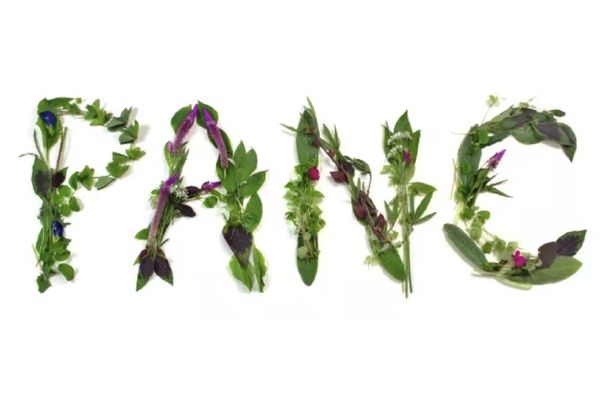
The first time I heard the term PANCs, I honestly thought it referred to some new gardening technique. It wasn’t until I started reading more about them that I realized these fascinating plants had probably been growing around me for years without me ever noticing.
That discovery completely changed the way I looked at my garden.
Plants I once ignored—or even pulled out as weeds—suddenly became part of a much bigger story about biodiversity, sustainability, and traditional knowledge. I realized that our grandparents and many Indigenous communities have long understood something we’re only beginning to rediscover: nature provides far more edible plants than most of us realize.
Learning about unconventional edible plants has become one of the most exciting parts of my gardening journey, and I’d love to share what I’ve discovered.
What Are Unconventional Edible Plants?
Despite their unusual name, PANCs aren’t strange or newly discovered plants.
The word “unconventional” simply means they aren’t commonly found in supermarkets or grown on a large commercial scale.
Many of these plants grow naturally in gardens, forests, vacant lots, and even sidewalks. For generations, local communities have harvested and eaten them, but modern agriculture gradually shifted attention toward a relatively small number of familiar crops.
That doesn’t make PANCs less valuable.
If anything, it highlights how much knowledge we’ve forgotten over time.
Why They Fascinate Me
One of the things I love most about learning about PANCs is how they completely reshape my understanding of food.
Instead of seeing gardening as growing only tomatoes, lettuce, or herbs, I now appreciate the incredible diversity that exists around us.
Some reasons I find these plants so inspiring include:
- They promote biodiversity.
- They encourage sustainable gardening.
- Many require very little maintenance.
- They introduce exciting new flavors.
- They help preserve traditional knowledge.
Every new plant I discover reminds me that nature has far more to offer than I once imagined.
Some Well-Known Examples
As I explored the world of unconventional edible plants, I realized many species are already well known in different regions.
Some popular examples include:
- Purslane
- Dandelion
- Amaranth
- Nasturtium
- Chaya
In Brazil, gardeners also treasure plants such as ora-pro-nóbis, taioba, peixinho-da-horta, and serralha.
Depending on where you live, you’ll likely discover your own local varieties that have been part of regional traditions for generations.
Surprisingly Nutritious
One of the biggest surprises for me was learning just how nutritious many of these plants are.
Several PANCs contain impressive amounts of:
- Vitamins
- Minerals
- Fiber
- Antioxidants
- Plant-based protein
Because many haven’t been heavily modified through commercial breeding, they often retain rich nutritional profiles that deserve far more attention.
Of course, nutrition varies from one species to another, but it’s amazing how much goodness can be found in plants that many people overlook.
A More Sustainable Way to Garden
As my interest in sustainability has grown, I’ve come to appreciate another remarkable feature of PANCs.
Many adapt beautifully to local conditions.
Once established, they often require:
- Less water
- Fewer fertilizers
- Minimal pesticide use
- Lower maintenance
- Greater resilience to local weather
That makes them excellent choices for gardeners who want to reduce their environmental impact while growing healthy food.
Watching these resilient plants thrive with relatively little intervention has been incredibly rewarding.
Protecting Biodiversity
Growing a wider variety of plants has changed more than just my garden.
I’ve started noticing more pollinators, more beneficial insects, and a healthier balance overall.
Every time we grow different species instead of relying on only a handful of familiar crops, we contribute—however modestly—to protecting biodiversity.
It feels good knowing that even a small home garden can become part of something much bigger.
Respecting Traditional Knowledge
Perhaps the most meaningful lesson I’ve learned is that PANCs aren’t simply interesting plants—they’re part of cultural history.
For centuries, Indigenous peoples and rural communities have passed down knowledge about identifying, preparing, and growing these species.
Many of these traditions survived long before gardening became a popular hobby.
Learning from those traditions has helped me appreciate gardening not only as a practical activity but also as a way of honoring generations of accumulated wisdom.
Safety Always Comes First
As exciting as these plants are, I’ve also learned an important lesson: curiosity should always be paired with caution.
Not every unfamiliar plant is edible.
Some edible species closely resemble toxic ones, while others require special preparation before they can be eaten safely.
Whenever I encounter a plant I’m unsure about, I take time to research it carefully, consult reliable sources, or learn from experienced growers before harvesting anything.
That extra patience is always worth it.
Seeing My Garden With New Eyes
Learning about unconventional edible plants has completely transformed the way I walk through my garden. Instead of seeing only the vegetables I intentionally planted, I now notice countless other species that each have their own story, history, and purpose. Some may become food, others may attract pollinators, and many simply remind me that nature is far more diverse than I once believed. Every season brings another opportunity to learn, and that’s one of the reasons gardening continues to surprise and inspire me year after year.