
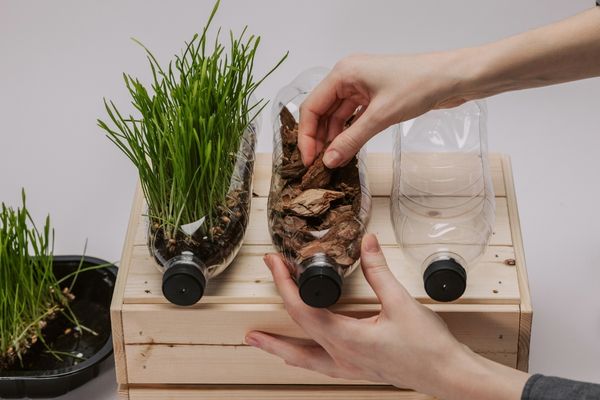
When I first started gardening, I thought I needed expensive pots and fancy equipment to grow healthy plants. Then one afternoon, while looking at an empty plastic bottle I was about to throw away, I wondered if it could have a second life instead of ending up in the recycling bin.
That simple question completely changed how I looked at everyday objects.
Today, some of my favorite herbs and flowers are growing in containers that once held water or soft drinks. It’s a reminder that gardening doesn’t have to be expensive to be rewarding. Sometimes creativity is the most valuable tool we have.
If you’re looking for an affordable, sustainable, and enjoyable gardening project, growing plants in recycled plastic bottles is a wonderful place to begin.
Why I Love Bottle Gardening
Reusing plastic bottles has become one of my favorite ways to reduce waste while adding more greenery to my home.
Instead of buying new containers, I can transform something ordinary into a functional planter within minutes.
Some of the benefits I’ve experienced include:
- Reducing household waste
- Saving money on pots
- Making gardening accessible to beginners
- Creating planters for small spaces
- Giving everyday materials a useful purpose
It’s amazing how one simple bottle can become home to a thriving plant.
Choosing the Right Bottles
Not every bottle works for every plant, so I always think about size before planting.
Larger bottles provide enough room for vegetables and herbs with deeper roots, while smaller bottles are perfect for seedlings or compact plants.
Some containers I use regularly include:
- Two-liter soda bottles
- Water bottles
- Juice bottles
- Large detergent bottles that have been thoroughly cleaned
I also make sure every bottle is washed well before adding soil.
Preparing the Bottle
Preparing the planter is easier than most people expect.
Depending on the type of plant I want to grow, I either cut the bottle across the middle to create an open container or make a large opening along one side for a horizontal planter.
The most important step is creating drainage holes.
Without them, excess water collects around the roots and can quickly lead to root rot.
If the cut edges feel sharp, I smooth them with sandpaper or cover them with tape for extra safety.
The Best Plants to Grow
One of the reasons I enjoy bottle gardening is how many different plants adapt well to these recycled containers.
Some of my favorites include:
- Basil
- Mint
- Parsley
- Cilantro
- Lettuce
- Spinach
- Green onions
- Cherry tomatoes
- Spider plants
- Pothos
Choosing plants that naturally stay compact usually leads to the best results.
Using the Right Soil
Healthy soil makes an enormous difference.
I avoid using heavy garden soil because it tends to become compacted inside containers.
Instead, I fill each bottle with a lightweight potting mix enriched with compost.
This combination keeps the roots healthy while allowing water to drain properly.
After planting, I gently press the soil around the roots and water everything thoroughly.
Finding the Perfect Location
Most edible plants need several hours of sunlight every day.
I usually place my bottle planters in bright locations such as:
- Kitchen windows
- Sunny balconies
- Patio shelves
- Vertical garden frames
- Outdoor railings
When growing plants indoors, I rotate the bottles every week so every side receives enough light.
That simple habit keeps plants growing evenly instead of leaning toward the window.
Watering Without Overdoing It
Plastic bottles behave differently from traditional clay pots.
Because they’re lightweight, the soil can warm up and dry out faster during hot weather.
Instead of watering on a fixed schedule, I always check the soil first.
If the top layer feels dry, it’s usually time to water.
Adding a thin layer of mulch or decorative pebbles on top also helps the soil retain moisture longer.
Creative Ways to Display Bottle Gardens
One of the most enjoyable parts of this project is experimenting with different layouts.
I’ve tried several ideas over the years, including:
- Hanging bottle planters
- Vertical gardens attached to fences
- Window herb gardens
- Balcony rail planters
- Decorative indoor displays
Every arrangement gives the bottles a completely different personality.
Visitors are often surprised when they realize they’re looking at recycled containers.
More Than a Gardening Project
Bottle gardening has taught me that sustainability doesn’t always require big changes.
Small everyday choices can have a meaningful impact.
By reusing materials that would otherwise become waste, I reduce my environmental footprint while growing herbs, vegetables, and ornamental plants that bring life into my home.
It’s a simple habit that feels good every single day.
Turning Waste Into Something Beautiful
Growing plants in recycled plastic bottles has completely changed the way I see both gardening and recycling. What once seemed like disposable packaging now represents opportunity, creativity, and new life. Every bottle I reuse reminds me that beautiful gardens don’t depend on expensive materials—they grow from curiosity, patience, and a willingness to see potential where others see trash. That’s one of the most valuable lessons gardening has ever taught me.