
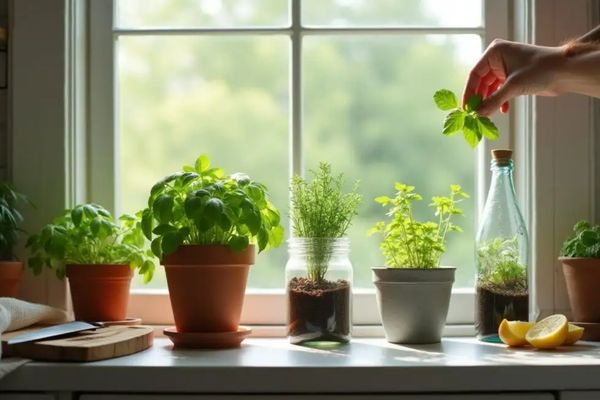
When I bought my first herb plant, I honestly wasn’t sure it would survive for more than a few weeks. I lived in a small apartment with no garden, just a bright kitchen window and a growing curiosity about plants. Still, I decided to give it a try.
That little pot of basil changed everything.
Before long, I found myself growing parsley, mint, rosemary, and several other herbs throughout my home. Not only did they make my meals taste better, but they also filled my living space with fresh aromas and beautiful greenery. I quickly learned that you don’t need a backyard to enjoy gardening—you simply need the right conditions and a little consistency.
If you’ve been thinking about starting your own indoor herb garden, I’d love to share the lessons that helped me succeed.
Choosing Herbs That Thrive Indoors
One of the first things I learned is that not every herb performs equally well inside the house.
Fortunately, many popular culinary herbs adapt beautifully to containers and indoor environments.
Some of my favorite herbs to grow indoors are:
- Basil
- Parsley
- Chives
- Mint
- Oregano
- Thyme
- Rosemary
- Cilantro
If you’re just getting started, I recommend beginning with basil, mint, or chives. They’re forgiving, grow quickly, and reward you with frequent harvests.
Starting small makes the entire experience much more enjoyable.
Giving Herbs Enough Light
Light has probably been the biggest factor in the success of my indoor garden.
Most herbs love bright conditions, so I place mine near a sunny window where they receive several hours of natural light every day.
When daylight becomes limited during the winter, I rely on LED grow lights to keep them healthy.
The difference is remarkable.
Instead of becoming weak and leggy, the plants stay compact, vibrant, and full of flavorful leaves.
Whenever possible, I rotate the pots every few days so every side receives equal light.
Choosing the Right Containers
For a long time, I thought almost any pot would work.
Eventually I realized that drainage matters far more than appearance.
Now I always choose containers with drainage holes to prevent excess water from collecting around the roots.
Some of my favorite options include:
- Terracotta pots
- Ceramic containers with drainage
- Plastic nursery pots inside decorative planters
- Small clay pots
No matter which style I choose, healthy roots always come first.
Beautiful pots are a bonus.
Healthy Soil Makes Healthy Herbs
Indoor herbs spend their entire lives in containers, so the soil becomes incredibly important.
I always use a light, well-draining potting mix instead of ordinary garden soil.
Sometimes I mix in a little perlite to improve drainage even further.
The roots stay healthier, the soil doesn’t become compacted, and watering becomes much easier to manage.
I’ve learned that investing in good potting mix pays off for months afterward.
Learning When to Water
Overwatering was probably the biggest mistake I made as a beginner.
I assumed herbs needed water every day.
They didn’t.
Now I simply check the soil with my finger.
If the top layer feels dry, I water thoroughly until excess water drains from the bottom of the pot.
Different herbs also have different preferences.
Basil and parsley appreciate more consistent moisture, while rosemary and thyme prefer the soil to dry slightly between waterings.
Observing each plant has taught me far more than following a fixed schedule ever did.
Creating a Comfortable Environment
Most herbs are surprisingly happy indoors as long as temperatures remain fairly stable.
I try to keep mine away from:
- Cold drafts
- Air conditioners
- Heating vents
- Sudden temperature changes
Good air circulation is also important.
Instead of crowding all the pots together, I leave a little space between them so air can move freely.
That simple habit helps reduce the chances of fungal problems while keeping the plants healthier overall.
Harvesting the Right Way
One of the greatest rewards of growing herbs indoors is being able to harvest them whenever I need them.
Instead of pulling individual leaves, I usually trim stems just above a pair of leaves.
This encourages the plant to branch out and become fuller over time.
I also avoid removing too much at once.
Harvesting gradually allows the herbs to recover quickly and continue producing fresh new growth.
It’s amazing how productive a single healthy plant can become.
Why I Keep Growing Herbs Indoors
Fresh herbs certainly improve my cooking, but they’ve also brought something unexpected into my daily life.
Watering them each morning has become a peaceful ritual.
Their fragrance fills my kitchen.
Watching new leaves appear reminds me that growth often happens quietly, one day at a time.
Even during busy weeks, spending a few minutes caring for my herbs helps me slow down and reconnect with nature.
A Small Indoor Garden With a Big Impact
Learning how to grow herbs indoors has shown me that gardening doesn’t depend on having a large outdoor space. With enough light, good soil, and a little patience, even the smallest apartment can become home to a thriving collection of fresh, aromatic plants. Every pot on my windowsill reminds me that nature has a wonderful way of fitting into our lives, no matter where we live. Growing herbs indoors hasn’t just changed the way I cook—it has changed the way I experience my home every single day.