
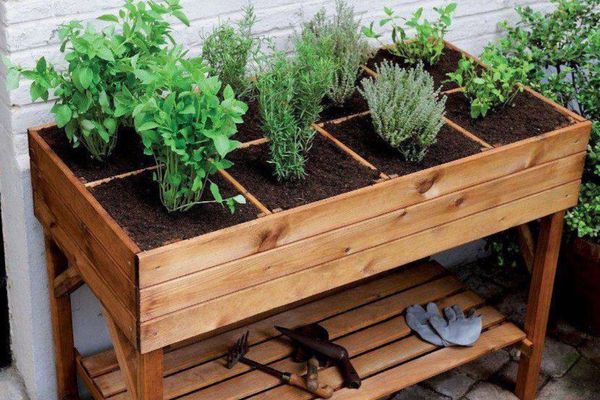
When I decided to grow my own food, I made one promise to myself: I wanted to do it in a way that worked with nature instead of against it. I wasn’t interested in filling my garden with synthetic chemicals or trying to force plants to grow. I wanted to build a space where healthy soil, insects, birds, and plants could all work together.
That decision introduced me to organic gardening.
What began as a few containers of herbs has grown into one of the most rewarding hobbies I’ve ever had. Along the way, I’ve learned that creating an organic home garden isn’t about being perfect. It’s about making thoughtful choices that benefit both the plants and the environment.
If you’re thinking about starting your own organic garden, I’d love to share the approach that has worked so well for me.
Understanding What Organic Gardening Means
Before planting anything, I spent some time learning what makes a garden truly organic.
For me, it means relying on natural processes instead of synthetic products.
Rather than using chemical fertilizers or pesticides, I focus on building healthy soil, encouraging beneficial insects, and creating an environment where plants can become naturally resilient.
The goal isn’t simply growing vegetables.
It’s creating a balanced ecosystem that continues improving over time.
Choosing the Best Location
One of the first lessons I learned is that location can make or break a garden.
Most vegetables and herbs thrive when they receive plenty of sunlight each day.
Before planting, I observed my outdoor space for several days, paying attention to how sunlight moved throughout the day.
I also looked for areas with:
- Good air circulation
- Easy access to water
- Convenient walking paths
- Enough room for plants to mature
Spending a little extra time choosing the right location saved me countless problems later.
Building Healthy Soil
I’ve come to believe that healthy gardens always begin underground.
Instead of relying on chemical fertilizers, I focus on feeding the soil itself.
Some of the organic materials I regularly use include:
- Homemade compost
- Well-aged manure
- Leaf mold
- Organic compost blends
These natural materials improve soil structure, provide nutrients, and encourage beneficial microorganisms that help plants thrive.
Every season, the soil becomes richer and easier to work with.
Choosing the Right Plants
When I first started gardening, I wanted to grow everything.
Eventually I realized it was much smarter to begin with plants that naturally perform well in my local climate.
Some of my favorite beginner-friendly choices include:
- Lettuce
- Tomatoes
- Basil
- Spinach
- Radishes
- Chives
Whenever possible, I also choose heirloom or organically produced seeds.
They often adapt beautifully to home gardens and help preserve plant diversity.
Giving Plants Enough Space
It can be tempting to fit as many plants as possible into a small area.
I’ve definitely made that mistake.
Overcrowded plants compete for sunlight, water, and nutrients while also restricting airflow.
Now I carefully follow recommended spacing guidelines for each crop.
Although the beds may look a little empty at first, they quickly fill in as the plants mature.
Giving every plant enough room has dramatically improved both growth and overall health.
Using Mulch Whenever Possible
One gardening habit I never skip anymore is mulching.
Covering the soil with natural materials provides several benefits all at once.
I often use:
- Straw
- Dried leaves
- Grass clippings
- Wood chips around pathways
Mulch helps retain moisture, suppress weeds, regulate soil temperature, and gradually enrich the soil as it breaks down.
It’s one of the simplest improvements I’ve ever made to my garden.
Managing Pests Naturally
One of the biggest concerns new gardeners have is dealing with insects.
I’ve learned that a healthy organic garden doesn’t try to eliminate every insect.
Instead, it encourages balance.
I attract beneficial insects by planting flowers throughout the garden and avoiding unnecessary chemicals.
When problems appear, I rely on natural solutions such as:
- Hand-picking pests
- Neem oil when necessary
- Insect netting
- Companion planting
- Encouraging ladybugs and pollinators
Working with nature instead of fighting it has made gardening much less stressful.
Watering With Care
Watering seems simple until you realize how much difference good habits can make.
Instead of watering lightly every day, I usually water deeply and less frequently.
This encourages stronger root systems that are better able to tolerate dry weather.
Whenever possible, I water early in the morning.
Doing so reduces evaporation while helping prevent fungal diseases that can develop when leaves remain wet overnight.
Learning a Little Every Season
One thing I love about organic gardening is that every growing season teaches me something new.
Some vegetables exceed my expectations.
Others struggle and remind me that gardening is always an opportunity to learn.
Keeping notes, observing changes, and making small adjustments each year have helped my garden become healthier and more productive.
Progress happens gradually, and that’s part of what makes the journey so rewarding.
Growing Food While Caring for Nature
Learning how to set up an organic home garden has changed the way I think about gardening and about food itself. Every handful of compost, every pollinator that visits my flowers, and every fresh vegetable I harvest reminds me that healthy gardens are built through patience rather than shortcuts. My garden continues to evolve with each passing season, and so do I. The more I work alongside nature instead of trying to control it, the more rewarding the experience becomes—and that’s a lesson I’ll carry with me for the rest of my gardening journey.