
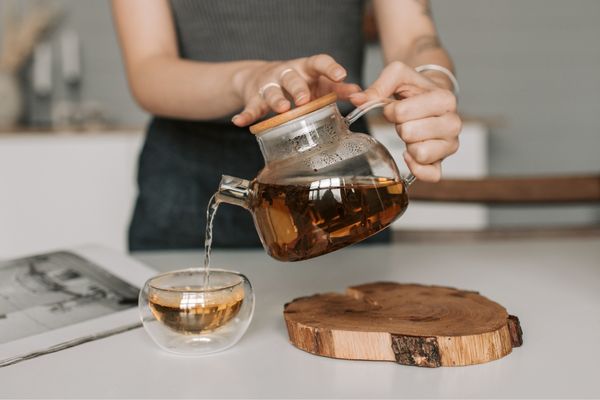
There’s something incredibly comforting about holding a warm cup of herbal tea in my hands after a long day. Long before I became passionate about gardening, I enjoyed drinking chamomile before bed or peppermint after a meal. But once I started growing these plants myself, the experience became much more meaningful.
Harvesting fresh leaves or flowers from my own garden and turning them into a fragrant infusion made me appreciate these plants in a completely different way. I realized that herbal teas are about much more than flavor—they connect us to centuries of tradition, natural wellness, and the simple pleasure of slowing down.
If you’ve ever wondered which plants are commonly used for teas and herbal infusions, I’d love to introduce you to some of my favorites.
Understanding Herbal Infusions
One of the first things I learned is that not every hot herbal drink is technically considered tea.
True tea comes from the Camellia sinensis plant, while herbal infusions—often called tisanes—are made from a wide variety of leaves, flowers, roots, seeds, and even bark.
Each plant brings its own unique flavor, aroma, and traditional uses.
Some herbs are known for helping people relax, while others are enjoyed for their refreshing taste or digestive benefits.
No matter the reason, preparing an infusion always feels like creating a small daily ritual.
Chamomile: My Evening Favorite
Whenever I need to unwind, chamomile is usually my first choice.
Its delicate flowers produce a mild, floral infusion that has been enjoyed for generations.
I love drinking chamomile because it reminds me to slow down and enjoy a quiet moment before bedtime.
Besides its pleasant flavor, chamomile is traditionally appreciated for promoting relaxation and supporting restful sleep.
Growing it in the garden also adds cheerful white flowers that attract pollinators throughout the season.
Mint Never Disappoints
Mint has become one of the hardest-working plants in my garden.
Not only does it grow vigorously, but it’s also incredibly versatile.
Fresh mint leaves make a refreshing herbal infusion that’s especially enjoyable after meals.
Some reasons I always keep mint growing include:
- Refreshing flavor
- Pleasant aroma
- Fast growth
- Easy harvesting
- Wonderful for both hot and cold drinks
Since mint spreads quickly, I always grow it in its own container to keep it under control.
Lemon Balm Brings Calm
The first time I rubbed a lemon balm leaf between my fingers, I immediately understood why so many gardeners love it.
Its gentle citrus fragrance is fresh without being overpowering.
When brewed into an infusion, lemon balm produces a delicate drink that’s traditionally associated with relaxation and emotional well-being.
It’s become one of the herbs I reach for whenever I want a peaceful break in the middle of a busy day.
Ginger Adds Warmth
Although ginger grows very differently from leafy herbs, it’s one of my favorite ingredients for homemade infusions.
Fresh ginger slices create a warm, spicy drink that’s especially comforting on cold mornings.
I often enjoy ginger tea because it’s traditionally valued for:
- Supporting digestion
- Easing nausea
- Providing gentle warmth
- Creating bold flavor
- Blending well with honey and lemon
A small piece of fresh ginger goes a surprisingly long way.
Hibiscus Makes Every Cup Beautiful
If there’s one herbal infusion that always catches people’s attention, it’s hibiscus.
Its deep ruby-red color is absolutely stunning.
The flavor is bright, slightly tart, and incredibly refreshing whether served hot or iced.
Growing hibiscus also adds spectacular flowers to the garden, making it one of those plants that’s beautiful before and after harvest.
Fennel Has a Gentle Sweetness
Fennel wasn’t a plant I expected to enjoy as much as I do.
Its seeds create a naturally sweet, mild infusion that’s traditionally consumed after meals.
Lightly crushing the seeds before steeping releases more of their wonderful aroma, creating a richer cup with very little effort.
It’s one of those herbs that quietly becomes a favorite over time.
Sage Is Full of Character
Sage has one of the boldest personalities in my herb garden.
Its soft gray-green leaves produce an earthy, aromatic infusion that’s very different from lighter herbal teas.
I usually enjoy sage in moderation because its flavor is quite strong.
Adding a little honey or a slice of lemon softens the intensity while creating a wonderfully comforting drink.
Harvesting Herbs With Care
Growing herbs for teas has taught me that careful harvesting makes a big difference.
Whenever I collect leaves or flowers, I try to:
- Harvest in the morning after the dew has dried.
- Choose healthy, undamaged growth.
- Avoid removing too much from a single plant.
- Dry herbs properly if I’m storing them.
- Label everything carefully for future use.
Taking these simple steps helps preserve both flavor and aroma.
Every Cup Tells a Story
Growing plants used for teas and herbal infusions has deepened my appreciation for gardening in ways I never expected. Every cup begins long before the kettle boils—it starts with healthy soil, patient care, and the quiet rhythm of watching each plant grow. Whether I’m sipping calming chamomile, refreshing mint, or warming ginger, I’m reminded that some of life’s greatest comforts come directly from nature. My little herb garden has become more than a source of fresh ingredients; it’s become a place where simple plants create meaningful daily rituals.