
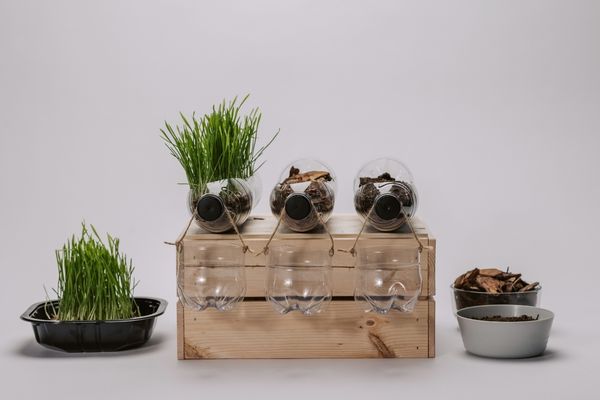
I used to throw away all kinds of containers without giving them a second thought.
Plastic bottles, tin cans, glass jars, wooden crates—straight into the recycling bin they went. Then one afternoon, while looking for an extra pot for a new herb, I realized I already had everything I needed at home.
That simple moment completely changed the way I garden.
Now, I see potential planters almost everywhere I look. Reusing everyday materials has helped me save money, reduce waste, and create a garden that’s full of personality.
If you’d like to make your gardening routine more sustainable, here are some of my favorite ways to grow plants using recycled materials.
Why Recycled Gardening Makes Sense
Growing plants in repurposed containers is about much more than saving money.
It also helps:
- Reduce household waste.
- Give old items a second life.
- Encourage creativity.
- Reduce the demand for new plastic products.
- Create unique decorative pieces.
Every recycled planter tells a little story.
Everyday Items That Make Great Planters
One of the biggest surprises was discovering how many household objects can become excellent plant containers.
Some of my favorites include:
- Plastic bottles
- Tin cans
- Glass jars
- Wooden crates
- Old drawers
- Coffee mugs
- Buckets
- Egg cartons
With a little preparation, each one can become a beautiful home for a plant.
Plastic Bottles Are Surprisingly Versatile
Plastic bottles are probably the recycled item I use most often.
I’ve transformed them into:
- Hanging planters
- Vertical gardens
- Seedling containers
- Self-watering pots
They work especially well for herbs, leafy greens, and small flowers.
Adding a few drainage holes is usually all that’s needed before planting.
Tin Cans Add Rustic Charm
Instead of discarding empty food cans, I like giving them a fresh coat of paint and turning them into decorative pots.
They’re perfect for:
- Basil
- Mint
- Parsley
- Small succulents
Just remember to make drainage holes in the bottom to prevent excess water from collecting.
Wooden Crates Create Instant Garden Beds
Old wooden crates have become some of my favorite gardening projects.
They’re ideal for:
- Mixed herb gardens
- Lettuce
- Strawberries
- Seasonal flowers
I usually line the inside with landscape fabric before adding soil, which helps the wood last longer while keeping everything neat.
Even Old Furniture Can Be Reused
One of the most creative projects I’ve tried involved an old dresser drawer that was headed for the trash.
After drilling drainage holes and adding fresh soil, it became a beautiful flower planter that always catches visitors’ attention.
Other furniture pieces that can work include:
- Chairs
- Cabinets
- Small tables
- Wooden boxes
Sometimes imperfections make these projects even more charming.
Start Seeds in Recycled Containers
Seed starting doesn’t require fancy trays.
I’ve had great success using:
- Egg cartons
- Paper cups
- Yogurt containers
- Small food tubs
These containers are lightweight, inexpensive, and perfect for giving young seedlings a healthy start.
Prepare Containers Properly
No matter which container you choose, proper preparation makes all the difference.
Before planting, I always:
- Wash the container thoroughly.
- Remove labels or chemical residue.
- Drill or punch drainage holes.
- Smooth any sharp edges.
- Add quality potting mix.
Healthy roots begin with a healthy container.
Choose Plants That Match the Container
Not every plant belongs in every recycled planter.
Smaller containers work well for:
- Herbs
- Succulents
- Small flowering plants
Larger containers are better suited for:
- Tomatoes
- Peppers
- Lettuce
- Decorative shrubs
Matching the plant’s root system to the available space helps it stay healthy.
Healthy Soil Still Matters
Even though recycled containers save money, I never cut corners when it comes to soil.
Plants still need nutrient-rich growing media.
I like using:
- Homemade compost
- Quality potting mix
- Crushed eggshells
- Coffee grounds
- Well-aged organic matter
Good soil makes almost any container successful.
Water Carefully
One thing I learned quickly is that recycled containers don’t all dry at the same rate.
Smaller pots usually need water more frequently, while deeper containers retain moisture longer.
To make watering easier, I:
- Check soil moisture regularly.
- Water deeply when needed.
- Avoid leaving standing water.
- Use self-watering bottle systems for busy weeks.
Observation becomes even more important when every planter is unique.
Fun DIY Garden Ideas
If you’re looking for inspiration, these projects are easy to create:
- A wall of colorful tin-can herb planters.
- A vertical garden made from plastic bottles.
- A rustic pallet garden.
- Drawer planters filled with seasonal flowers.
- Hanging jars for trailing plants.
Each project adds character while keeping useful materials out of the landfill.
A Greener Way to Garden
What I appreciate most about gardening with recycled materials is how naturally it encourages more sustainable habits.
Instead of buying something new every time I need a planter, I first look around my home. It’s satisfying to know that something once considered waste can become part of a thriving garden.
Every reused container is one small step toward reducing unnecessary consumption.
Final Thoughts
Growing plants with recycled materials is one of the easiest ways to combine creativity, sustainability, and gardening. Whether you’re using plastic bottles, wooden crates, tin cans, glass jars, or forgotten pieces of furniture, almost any container can become a beautiful planter with a little preparation and imagination.
I’ve learned that successful gardening isn’t about having the newest supplies. It’s about making the most of what you already have. Every recycled planter reminds me that beautiful gardens don’t have to be expensive—they just need a little creativity and plenty of care.