
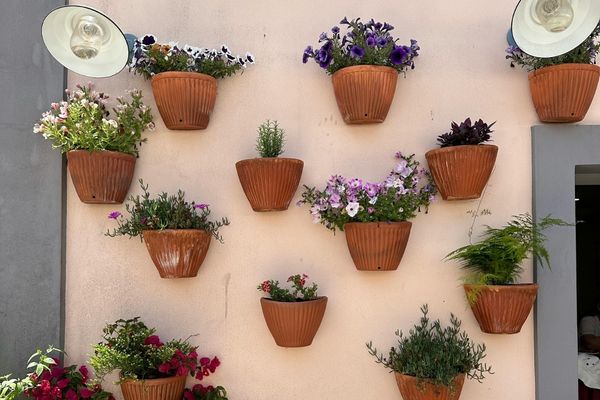
I used to think you needed a large backyard to have a beautiful garden.
Living in a smaller space made me believe my gardening dreams would have to wait. Then I discovered vertical gardening, and everything changed. Instead of spreading plants across the ground, I started growing upward, making use of walls, railings, and even small corners that had previously gone unnoticed.
It amazed me how much greenery could fit into such a limited area.
Whether you live in an apartment, have a tiny balcony, or simply want to maximize your outdoor space, a vertical garden can completely transform the way you grow plants.
What Is a Vertical Garden?
A vertical garden is exactly what it sounds like—a garden that grows upward instead of outward.
Plants are arranged on walls, fences, shelves, or specially designed structures, allowing you to make the most of every square foot.
Vertical gardens can be created:
- Indoors
- On balconies
- Along fences
- On patios
- Inside kitchens
- Even on office walls
They’re both practical and beautiful.
Why I Fell in Love with Vertical Gardening
The biggest advantage is obvious: it saves space.
But I quickly realized the benefits go far beyond that.
A vertical garden can:
- Turn an empty wall into a living feature.
- Improve air quality indoors.
- Make harvesting herbs easier.
- Add privacy to small outdoor areas.
- Create a relaxing natural atmosphere.
It’s incredible how much life a simple wall can hold.
Choosing the Right Plants
Not every plant is suited for vertical growing, so choosing wisely makes maintenance much easier.
Some of my favorite options include:
Herbs
Perfect for kitchens and balconies:
- Basil
- Mint
- Parsley
- Thyme
- Oregano
Fresh herbs are always within arm’s reach while cooking.
Leafy Greens
If you enjoy growing food, these are excellent choices:
- Lettuce
- Spinach
- Kale
- Arugula
Most grow quickly and don’t require deep containers.
Decorative Houseplants
To create a lush green wall, I love using:
- Pothos
- Philodendrons
- Ferns
- Ivy
They provide beautiful texture while remaining relatively easy to care for.
Succulents
If you’re looking for low-maintenance plants, succulents are hard to beat.
They need:
- Less water
- Minimal maintenance
- Plenty of light
They’re perfect for busy gardeners.
Flowering Plants
For extra color, I enjoy adding:
- Petunias
- Begonias
- Marigolds
Flowers instantly make a vertical garden feel cheerful and inviting.
Different Ways to Build a Vertical Garden
One of my favorite things about vertical gardening is that there’s no single right way to do it.
Here are a few popular approaches.
Pocket Planters
Fabric pocket organizers mounted on walls are surprisingly effective.
They’re lightweight and perfect for:
- Herbs
- Small flowers
- Compact foliage plants
Trellises
Climbing plants naturally create beautiful living walls.
Some excellent climbers include:
- Sweet peas
- Jasmine
- Ivy
- Climbing roses
Watching them slowly cover a trellis is incredibly satisfying.
Hanging Pots
This is one of the easiest methods for beginners.
Using shelves, hooks, or wall brackets allows you to arrange pots at different heights, creating a layered display that’s both functional and decorative.
Modular Panels
If you prefer a polished look, modular systems provide neatly organized planting spaces.
Many even include built-in irrigation, making maintenance much easier.
Light Makes All the Difference
Just because plants grow vertically doesn’t mean they need less sunlight.
Before building my first vertical garden, I spent a few days observing how sunlight moved across the space.
Ask yourself:
- Is the wall sunny all day?
- Does it receive only morning light?
- Is it mostly shaded?
Matching plants to the available light prevents a lot of frustration later.
For darker indoor spaces, LED grow lights can provide the extra light plants need to thrive.
Watering Requires a Different Approach
One lesson I learned quickly is that water behaves differently in vertical gardens.
The top containers often dry out first, while lower ones receive excess runoff.
To keep everything healthy, I:
- Water slowly from the top.
- Check soil moisture regularly.
- Use self-watering planters whenever possible.
- Add mulch to help retain moisture.
A little extra attention keeps every level of the garden happy.
Maintenance Is Simple
Vertical gardens aren’t difficult to care for, but regular maintenance keeps them looking their best.
Every week, I usually:
- Remove dead leaves.
- Trim overgrown stems.
- Check for pests.
- Fertilize when needed.
- Rotate containers if uneven sunlight becomes an issue.
These small tasks only take a few minutes.
Fun Design Ideas
One of the most enjoyable parts of vertical gardening is getting creative.
Some ideas I’ve tried include:
- A kitchen herb wall beside the cooking area.
- A colorful mix of flowering plants and trailing vines.
- A succulent display with geometric planters.
- A themed wall using only edible plants.
- Decorative shelves that combine plants with books and small ornaments.
Every project reflects your own personality.
More Than Just Decoration
What surprised me most wasn’t how attractive my vertical garden became.
It was how much calmer the space felt.
Even a small wall covered with greenery creates a sense of peace that’s hard to describe until you experience it yourself.
I often find myself standing there for a few extra minutes, simply enjoying the fresh leaves and watching new growth appear.
Final Thoughts
Vertical gardens prove that you don’t need a large yard to surround yourself with beautiful plants. By growing upward instead of outward, you can transform balconies, patios, kitchens, offices, and even blank walls into vibrant green spaces filled with herbs, flowers, vegetables, or decorative foliage.
I’ve learned that limited space doesn’t have to limit creativity. Sometimes all it takes is one empty wall, a few carefully chosen plants, and the willingness to think vertically. The result is a garden that feels bigger than the space it occupies and brings nature a little closer to everyday life.