
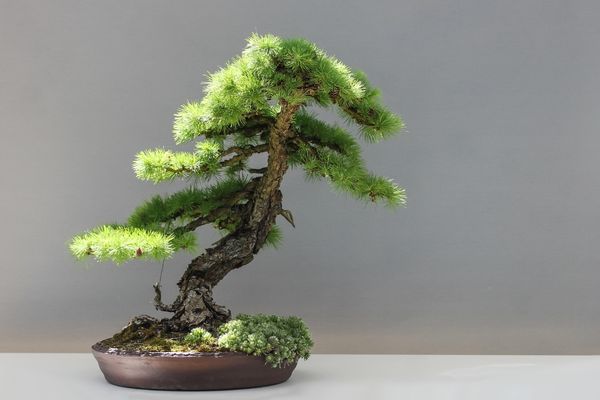
I’ll never forget the first time I saw a beautiful bonsai tree.
I remember staring at it, completely amazed that something so small could look like a majestic tree that had stood in nature for decades. At first, I assumed bonsai was a special type of dwarf tree. It wasn’t until I started learning that I discovered the truth: bonsai is an art form, not a species.
That realization opened the door to one of the most rewarding gardening experiences I’ve ever had. Growing a bonsai has taught me patience, observation, and the joy of appreciating slow, meaningful progress.
What Is a Bonsai?
A bonsai is a tree that has been carefully cultivated to remain miniature while maintaining the appearance and proportions of a mature tree found in nature.
The word “bonsai” comes from Japanese and roughly translates to “planted in a container.”
The goal isn’t to stop a tree from growing. Instead, it’s about guiding its development through thoughtful care, pruning, and shaping while keeping it healthy.
Every bonsai tells its own story.
A Tradition That Spans Centuries
The history of bonsai stretches back more than a thousand years.
The practice originated in ancient China through an art known as penjing, where miniature landscapes were created in shallow containers. Later, Japanese artists refined the practice, emphasizing simplicity, balance, and harmony with nature.
Today, bonsai continues to blend horticulture with artistic expression, making each tree a living work of art.
Choosing Your First Bonsai
When I first considered buying a bonsai, I assumed there was only one kind.
I quickly discovered there are many different species, each with its own personality and care requirements.
Some beginner-friendly choices include:
- Ficus – Excellent for indoor growing and forgiving of beginner mistakes.
- Juniper – A classic outdoor bonsai with elegant evergreen foliage.
- Japanese Maple – Famous for its breathtaking autumn colors.
- Pine – Symbolizes strength and longevity.
- Cherry Blossom – Beautiful seasonal blooms that make every spring unforgettable.
Choosing a species that matches your climate and experience level makes the learning process much more enjoyable.
Watering Requires Attention
One lesson bonsai teaches very quickly is that watering isn’t something you can do automatically.
Because bonsai grow in relatively small containers, the soil dries more quickly than it does in regular pots.
Instead of watering on a fixed schedule, I simply check the soil every day.
My routine is simple:
- Feel the surface of the soil.
- Water thoroughly when it begins to dry.
- Allow excess water to drain completely.
- Never let the roots sit in standing water.
Consistency matters much more than frequency.
Sunlight Matters
Like any tree, bonsai need light to thrive.
The amount depends on the species, but most benefit from several hours of bright light each day.
Outdoor species generally perform best outside throughout the year, while tropical species often adapt well indoors near bright windows.
Whenever possible, I try to recreate the tree’s natural environment.
Soil Is Different
One of the biggest surprises for me was discovering that bonsai don’t grow well in ordinary garden soil.
They need a specialized growing medium that provides:
- Excellent drainage.
- Good airflow around the roots.
- Moisture retention without becoming soggy.
Healthy roots are the foundation of every beautiful bonsai.
Pruning Is Where the Art Begins
Pruning is probably the most recognizable part of bonsai cultivation.
It isn’t simply about keeping the tree small.
Pruning helps:
- Shape the silhouette.
- Encourage balanced growth.
- Remove weak branches.
- Highlight the tree’s natural beauty.
Every cut should have a purpose.
I’ve learned that removing less is often better than removing too much.
Wiring Creates Elegant Shapes
One technique that fascinated me was wiring.
Thin aluminum or copper wire is gently wrapped around branches, allowing them to be carefully guided into graceful positions.
Popular bonsai styles include:
- Formal Upright – Straight trunk with balanced branching.
- Informal Upright – Gentle curves that feel more natural.
- Slanting – A trunk leaning dramatically to one side.
- Cascade – Branches flowing downward like a tree growing over a cliff.
- Broom Style – A rounded canopy with evenly spaced branches.
Watching branches slowly settle into their new positions feels almost magical.
Repotting Keeps the Tree Healthy
Unlike larger landscape trees, bonsai require occasional repotting.
This isn’t done because the tree outgrows the container but because the roots eventually fill the available space.
Repotting allows me to:
- Refresh the soil.
- Trim overly long roots.
- Improve drainage.
- Stimulate healthy new growth.
Most bonsai only need repotting every few years, depending on their age and species.
Patience Is the Greatest Lesson
If bonsai has taught me anything, it’s that beautiful things take time.
There are no shortcuts.
A branch may take months to develop the right shape. A trunk may need years to gain character. Every season adds another chapter to the tree’s story.
In a world that often expects instant results, bonsai encourages the exact opposite.
It reminds me to slow down.
More Than a Hobby
Over time, my bonsai became much more than another plant on a shelf.
Caring for it helps me unwind after busy days, focus on the present moment, and appreciate small changes that might otherwise go unnoticed.
Each new bud, leaf, and branch feels like a quiet reward for consistent care.
I finally understand why some bonsai are passed from one generation to the next—they become living memories as much as living trees.
Final Thoughts
Bonsai is far more than growing miniature trees. It’s a beautiful combination of gardening, creativity, patience, and mindfulness. From selecting the right species and mastering watering to learning pruning, wiring, and repotting, every step offers an opportunity to deepen your connection with nature.
I’ve discovered that bonsai doesn’t teach perfection—it teaches persistence. The tree grows slowly, and so does the gardener. With every season, both become a little stronger, a little wiser, and a little more beautiful.