
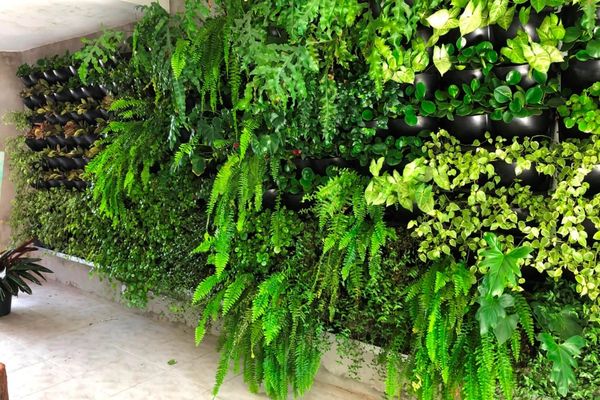
When I first became interested in vertical gardening, I was mostly trying to solve a problem: I wanted more plants, but I didn’t have more space. Every windowsill was full, my balcony was getting crowded, and I wasn’t ready to give up on adding even more greenery to my home.
That’s when I discovered that sometimes the best direction to grow isn’t outward—it’s upward.
Creating a vertical garden completely transformed the way I think about gardening. Empty walls became living displays, forgotten corners turned into lush green spaces, and I realized just how many beautiful plants thrive when they’re allowed to climb, trail, or cascade.
If you’re thinking about building your own vertical garden, choosing the right plants is the secret to making it both beautiful and easy to maintain.
Why Vertical Gardens Work So Well
One of the things I appreciate most about vertical gardens is how efficiently they use space.
Instead of spreading plants across the floor, they allow me to create layers of greenery on walls, fences, shelves, and specially designed panels.
Some of the biggest advantages I’ve experienced include:
- Saving valuable floor space
- Adding greenery to small apartments
- Creating beautiful living walls
- Improving the atmosphere indoors and outdoors
- Growing both ornamental and edible plants
It’s one of those gardening ideas that feels both practical and artistic at the same time.
My Favorite Trailing Plants
Whenever I design a vertical garden, I usually begin with trailing plants.
Their natural habit of flowing downward softens hard surfaces and creates the lush appearance that makes vertical gardens so appealing.
Some of my personal favorites are:
- Pothos
- Heartleaf philodendron
- English ivy
- Tradescantia
These plants are forgiving, grow relatively quickly, and instantly make a vertical garden feel full and established.
Watching their vines slowly stretch downward is one of my favorite parts of the entire project.
Ferns Add Incredible Texture
If I want a softer, more natural look, I always include a few ferns.
Their delicate fronds create movement and add layers that contrast beautifully with larger leaves.
Boston ferns have become one of my top choices because they’re full, graceful, and surprisingly adaptable when they receive enough moisture.
For shadier spaces, they help create the peaceful feeling of a woodland garden right inside my home.
Growing Herbs Vertically
One of the smartest gardening decisions I’ve ever made was creating a vertical herb garden near my kitchen.
Having fresh herbs within arm’s reach makes cooking much more enjoyable.
Some herbs that perform wonderfully in vertical systems include:
- Basil
- Parsley
- Thyme
- Oregano
- Chives
I always keep mint in its own section because it grows so enthusiastically that it can easily crowd neighboring plants.
Besides being practical, herb walls fill the air with wonderful fragrances every time I brush past them.
Succulents for Sunny Locations
Not every vertical garden needs constant watering.
When I’m working with a bright wall that receives plenty of sunlight, I often choose succulents.
Their shallow roots and low water requirements make them excellent candidates for wall-mounted planters.
Some beautiful options include:
- Echeveria
- Sedum
- Crassula
Grouping different colors and shapes together creates living artwork that’s surprisingly easy to maintain.
Adding Color With Flowering Plants
Green foliage is beautiful, but sometimes I like adding bursts of color throughout the garden.
Flowering plants make vertical gardens feel lively and constantly changing throughout the growing season.
Some varieties I’ve had great success with are:
- Petunias
- Begonias
- Geraniums
- Impatiens
- Peace lilies
- Anthuriums
Choosing plants that bloom at different times helps keep the display attractive for longer.
Don’t Forget About Low-Light Areas
Not every wall in my home receives hours of sunlight.
Fortunately, plenty of plants are perfectly happy in lower-light conditions.
Whenever I’m decorating indoor spaces away from bright windows, I often choose:
- Snake plants
- ZZ plants
- Peace lilies
- Pothos
These plants tolerate indoor conditions remarkably well and continue looking healthy with relatively little maintenance.
Growing Food on the Wall
One of the most satisfying parts of vertical gardening is discovering that it’s not only decorative.
Many edible plants grow beautifully in vertical systems.
I regularly harvest:
- Lettuce
- Spinach
- Arugula
- Kale
- Strawberries
There’s something incredibly rewarding about picking fresh ingredients from what looks like a living wall.
It turns gardening into part of my everyday routine.
Choosing Plants That Thrive Together
Over time, I’ve learned that successful vertical gardens depend on more than simply choosing beautiful plants.
I try to group species with similar needs for sunlight and watering.
That makes maintenance much easier and helps every plant stay healthy.
Regular pruning also prevents overcrowding and allows air to circulate freely between the plants.
A little maintenance goes a long way toward keeping the entire display looking fresh.
Looking Up Changed My Gardening Forever
Building my first vertical garden taught me that gardening isn’t limited by the amount of ground you have available. Sometimes all you need is an empty wall and a little imagination. Every plant that climbs, trails, or blooms reminds me that nature is incredibly adaptable when given the opportunity. Looking at my living wall each day fills me with the same excitement I felt when I first started gardening, proving that even the smallest spaces can become thriving green sanctuaries.