
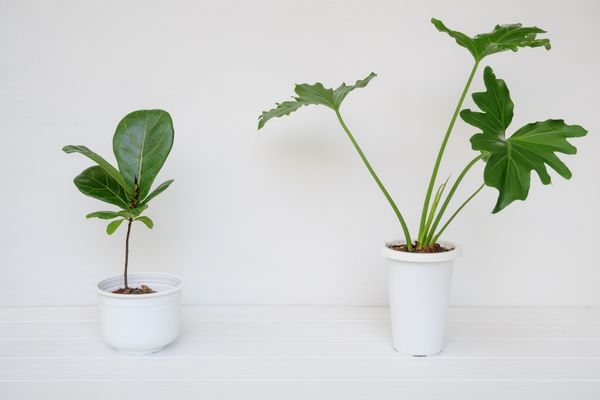
I never imagined that bringing home a few plants would change the way I felt about my living space.
At first, I simply wanted to make my home look a little more inviting. A small pothos on a shelf, a snake plant by the window, and a tiny succulent on my desk didn’t seem like life-changing additions. But after a few weeks, I noticed something unexpected.
The rooms felt calmer.
I found myself slowing down, paying more attention to the changing seasons, and actually looking forward to watering my plants after a busy day. What started as decoration slowly became part of my daily routine, and I realized that plants offer so much more than beauty.
They Naturally Improve Air Quality
One of the first things that attracted me to houseplants was learning that many of them help improve indoor air quality.
During photosynthesis, plants absorb carbon dioxide and release oxygen, helping create a fresher environment indoors. Some popular houseplants are also known for filtering common airborne pollutants found in furniture, paint, and household cleaning products.
Some of my favorite air-purifying plants include:
- Snake Plant
- Pothos
- Peace Lily
- Spider Plant
- Rubber Plant
Even though they aren’t magical air-cleaning machines, having several healthy plants throughout the house certainly makes my home feel fresher and more alive.
Plants Help Reduce Stress
Whenever life feels overwhelming, I naturally find myself spending a few quiet minutes caring for my plants.
Watering, pruning a yellow leaf, or simply checking for new growth gives my mind a chance to slow down.
It’s almost like a short meditation session without realizing it.
I’ve noticed that after spending time with my plants, I usually return to work feeling calmer and much more focused.
They Create a More Productive Workspace
When I started working from home, my desk felt cold and uninspiring.
Adding just a couple of small plants completely changed the atmosphere.
The workspace suddenly felt warmer, brighter, and more comfortable to spend hours in.
I also noticed that taking quick breaks to look away from the computer and admire something green helped reduce mental fatigue throughout the day.
It’s a surprisingly simple change that made a noticeable difference.
Plants Add Moisture to Dry Air
Another benefit I hadn’t considered was humidity.
As plants release moisture through a natural process called transpiration, they can slightly increase indoor humidity levels.
This may help reduce some of the discomfort caused by dry indoor air, especially during colder months or in heavily air-conditioned homes.
While they don’t replace a humidifier, they certainly contribute to creating a more comfortable environment.
They Instantly Improve Interior Design
No matter your decorating style, plants somehow fit perfectly.
I’ve used them in almost every room because they bring texture, color, and life without requiring expensive renovations.
Some of my favorite decorating ideas include:
- Hanging trailing plants near windows.
- Grouping different-sized pots on shelves.
- Using large statement plants in empty corners.
- Displaying herbs in the kitchen.
- Mixing ceramic pots with natural baskets for added warmth.
Even one healthy plant can make a room feel more welcoming.
They Help Me Feel Connected to Nature
Living in a city often means spending far more time surrounded by concrete than greenery.
Having plants indoors helps bridge that gap.
Watching new leaves unfurl or noticing tiny seasonal changes reminds me that nature is always moving, even when I’m inside working or relaxing.
That connection has become one of the things I value most about indoor gardening.
There Are Physical Health Benefits Too
The advantages aren’t only emotional.
Caring for plants encourages gentle physical movement throughout the week.
Simple activities like:
- Watering pots
- Repotting growing plants
- Cleaning dusty leaves
- Rearranging containers
- Pruning damaged stems
keep me active in small but meaningful ways.
Some plants, like aloe vera, even offer practical benefits for minor skin irritations, making them useful as well as beautiful.
Plants Are Wonderful Teachers
One thing gardening has taught me is patience.
Plants don’t grow overnight.
They develop gradually, rewarding consistency rather than perfection.
I’ve learned to observe instead of rushing, paying attention to changes in leaves, soil, and growth patterns.
For children, this can be an amazing educational experience. Caring for a plant introduces lessons about responsibility, biology, ecology, and the value of nurturing something over time.
Every Plant Has a Story
One of my favorite parts of growing houseplants is discovering that every species has its own personality.
Some thrive in bright sunshine.
Others are happiest tucked away in a shady corner.
Learning what each one needs has made me much more attentive—not only as a gardener but also in everyday life.
It’s a gentle reminder that different living things flourish under different conditions.
Final Thoughts
When I bought my first houseplant, I expected nothing more than a prettier room.
Instead, I gained a hobby that brings peace, curiosity, and joy into my everyday routine.
Plants freshen the air, make homes feel warmer, encourage mindfulness, brighten workspaces, and reconnect us with nature in ways that are easy to overlook until you experience them yourself.
Whether you choose a single low-maintenance succulent or gradually fill your home with greenery, every plant contributes something unique. Over time, you’ll probably discover what I did—that caring for plants isn’t just about helping them grow. Somehow, they help us grow too.