
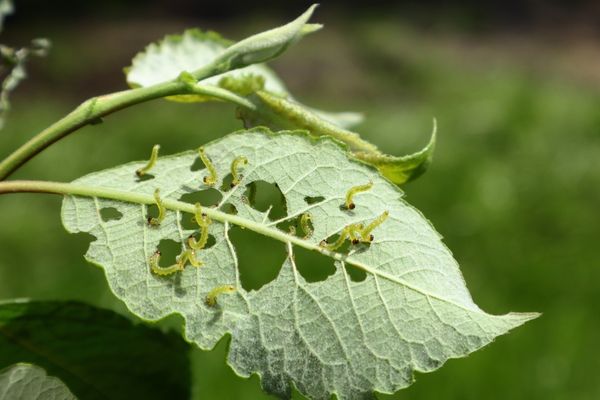
I used to think that every bug I found on my plants meant disaster.
The moment I noticed tiny insects crawling across a leaf or strange spots appearing overnight, I assumed my plants were doomed. My first instinct was to search for strong pesticides, convinced they were the only solution.
Thankfully, I learned that most plant pests can be managed naturally. In many cases, acting early and using simple, eco-friendly methods is enough to keep plants healthy without exposing your home, pets, or beneficial insects to harsh chemicals.
Now, whenever I notice something unusual, I see it as an opportunity to understand what’s happening instead of panicking.
Why Plant Pests Appear
Healthy plants can still attract pests.
Insects are naturally drawn to tender new growth, stressed plants, excessive moisture, or dry conditions. Sometimes they arrive through open windows, newly purchased plants, or even fresh potting soil.
The key isn’t preventing every insect from ever appearing—it’s recognizing problems before they become serious.
A quick inspection once or twice a week has become part of my routine.
Common Plant Pests to Watch For
Learning to identify common pests makes treatment much easier.
Here are the ones I encounter most often:
- Aphids: Tiny green, black, yellow, or red insects that gather on new shoots and feed on plant sap.
- Spider Mites: Nearly invisible pests that leave tiny webs and cause leaves to look speckled or faded.
- Whiteflies: Small white insects that fly away when the plant is disturbed.
- Mealybugs: White, cotton-like clusters that hide around stems and leaf joints.
- Scale Insects: Small brown or tan bumps attached to stems and leaves.
- Fungus Gnats: Tiny black flies that usually appear around overly moist soil.
Each pest behaves differently, but most become much easier to control when caught early.
Signs Your Plant Needs Attention
Sometimes you don’t see the insects immediately.
Instead, your plant gives subtle warning signs.
Look for:
- Yellowing leaves
- Curled new growth
- Sticky residue on leaves
- Tiny holes
- Fine webbing
- White cotton-like patches
- Brown bumps on stems
- Leaves dropping unexpectedly
Whenever I notice one of these symptoms, I inspect both sides of every leaf before doing anything else.
My Favorite Natural Treatments
After trying different methods over the years, I’ve found that simple solutions often work best.
Remove Pests by Hand
For small infestations, manual removal is surprisingly effective.
I usually:
- Pick larger insects by hand.
- Remove heavily infested leaves.
- Rinse the plant with a gentle stream of water.
This alone often solves the problem before it spreads.
Homemade Soap Spray
A mild soap spray has become one of my favorite natural remedies.
Mix a few drops of gentle liquid soap with water in a spray bottle and lightly coat affected leaves.
It’s especially effective against soft-bodied insects like:
- Aphids
- Mealybugs
- Spider mites
I always test the mixture on one leaf first and wait 24 hours before spraying the entire plant.
Neem Oil
Neem oil has earned a permanent place in my gardening supplies.
It doesn’t simply kill insects—it interrupts their life cycle, making it difficult for infestations to continue.
When diluted according to the instructions, it works well on many common pests while remaining much gentler on the environment than synthetic pesticides.
Garlic or Chili Spray
Homemade garlic and chili sprays create an unpleasant environment for many insects.
Although the smell isn’t exactly pleasant while applying it, it disappears fairly quickly and has helped protect several of my outdoor plants.
Essential Oil Sprays
Some gardeners also use diluted essential oils such as:
- Peppermint
- Rosemary
- Eucalyptus
These can help discourage certain pests when used as preventive treatments.
As with any homemade spray, testing a small area first is always a good idea.
Invite Nature to Help
One of the biggest lessons I’ve learned is that not every insect is an enemy.
Some bugs are actually excellent allies.
Beneficial insects include:
- Ladybugs, which love eating aphids.
- Lacewings, which feed on soft-bodied pests.
- Predatory mites, which naturally control spider mites.
Creating a balanced garden often means allowing these helpful insects to do their job.
Simple Gardening Habits That Prevent Problems
Healthy plants naturally resist pests better than stressed ones.
These habits have made a noticeable difference in my garden:
- Avoid overcrowding plants.
- Remove dead leaves regularly.
- Keep tools and pots clean.
- Water correctly without leaving soil constantly soggy.
- Feed plants with quality compost or balanced fertilizer.
- Rotate vegetable crops whenever possible.
Good plant care is often the best pest prevention strategy.
Try Companion Planting
One technique I’ve really enjoyed experimenting with is companion planting.
Certain plants naturally discourage unwanted insects while attracting beneficial ones.
Some great combinations include:
- Marigolds to discourage aphids and soil pests.
- Basil planted near vegetables to deter whiteflies.
- Garlic and chives around vulnerable plants.
- Mint and rosemary to help repel ants and flying insects.
Besides being practical, these combinations make the garden more diverse and beautiful.
Be Consistent
Natural pest control isn’t usually a one-time solution.
I check my plants every few days after treatment and repeat the process if necessary.
Patience is part of gardening, and consistency almost always produces better long-term results than using aggressive chemicals once.
Final Thoughts
Finding insects on your plants doesn’t mean you’ve failed as a gardener.
In fact, every gardener eventually deals with pests—it comes with growing living things.
By learning to identify common insects early and using natural methods like manual removal, homemade sprays, neem oil, beneficial insects, and companion planting, it’s possible to protect your plants while keeping your garden healthier for wildlife, pets, and people.
I’ve discovered that a balanced, chemical-free approach not only solves most pest problems but also helps create a stronger, more resilient garden over time.