
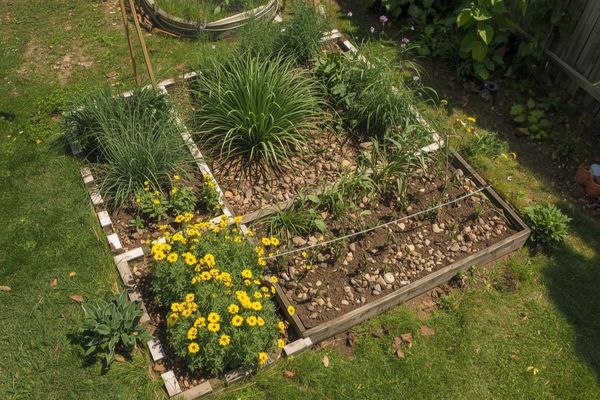
When I first dreamed about having a home garden, I assumed it would cost a fortune. Every photo I saw online featured beautiful raised beds, expensive pots, and all kinds of gardening tools I didn’t own. For a while, I convinced myself I needed to save a lot of money before I could even begin.
Thankfully, I was completely wrong.
One of the best things gardening has taught me is that creativity is often more valuable than a big budget. I started with just a handful of seeds, a few recycled containers, and plenty of enthusiasm. Little by little, my tiny garden grew without draining my wallet, and I realized you don’t need fancy equipment to enjoy growing your own plants.
Start Small Instead of Doing Everything at Once
One mistake I almost made was trying to grow every vegetable and flower I liked all at once. Looking back, that probably would have been overwhelming.
Instead, I focused on a few easy plants that matched the space I had available. Starting small made everything less stressful, and I actually enjoyed watching each plant develop instead of feeling buried under a long list of chores.
Before buying anything, I spent a few days simply observing my yard and windows. I paid attention to where the sun stayed the longest, which corners remained shady, and how much room I really had. That little bit of planning saved me from wasting money on plants that wouldn’t have thrived there anyway.
Grow Plants That Give You the Most Value
Some plants reward you much faster than others, especially when you’re gardening on a budget.
Herbs became my favorite place to start because they’re inexpensive, easy to grow, and surprisingly useful in the kitchen. Fresh basil, parsley, mint, and rosemary quickly became part of my everyday cooking, and I loved being able to snip a few leaves whenever I needed them.
Leafy greens like lettuce and spinach also impressed me. Since many varieties can be harvested several times, a single planting kept producing fresh leaves for weeks.
When I felt ready for vegetables, tomatoes and peppers became natural choices. Growing them from seed took a little patience, but the money I saved compared to buying mature plants made it completely worthwhile.
Choose Seeds Whenever Possible
Buying seedlings is convenient, but seed packets stretch your budget much further.
I still remember opening my first packet of tomato seeds and realizing it contained far more plants than I could possibly grow. For the price of a single nursery plant, I suddenly had dozens of opportunities.
Watching tiny seedlings emerge from the soil became one of my favorite parts of gardening. There’s something incredibly satisfying about seeing a plant grow from the very beginning.
I’ve also started saving seeds from some of the vegetables I already buy, and I occasionally swap seeds with other gardeners. It’s a fun way to try new varieties without spending extra money.
Give Old Containers a New Life
One thing I absolutely love about gardening is that almost anything can become a planter.
I’ve grown herbs in food containers, flowers in old buckets, and even turned plastic bottles into small planters. As long as the container is clean and has drainage holes, it usually works surprisingly well.
Reusing everyday items doesn’t just save money—it also keeps useful materials out of the trash. Plus, I think homemade planters add a little personality that store-bought pots sometimes lack.
For larger projects, reclaimed wood and wooden pallets can become simple raised beds. Just make sure the wood hasn’t been treated with chemicals before using it around edible plants.
Feed Your Soil Without Spending Much
Healthy soil makes a huge difference, but buying bags of compost every season can get expensive.
Once I learned how easy composting is, I never looked at kitchen scraps the same way again. Fruit peels, vegetable trimmings, coffee grounds, and crushed eggshells slowly transform into rich organic matter that plants absolutely love.
Even if you don’t have space for a large compost pile, a small compost bin can produce enough nutrient-rich material to improve your garden naturally.
Healthy soil also holds moisture better, which means less watering and healthier plants overall.
Save Water Whenever You Can
Watering may seem inexpensive, but the costs can add up over time.
I’ve found that watering early in the morning helps the soil absorb more moisture before the sun gets too strong. Covering the soil with mulch—like dry leaves, bark, or grass clippings—also keeps it from drying out as quickly.
Whenever it rains, I try to collect some of the water for later use. Plants seem to appreciate rainwater, and it’s a simple way to reduce water waste while keeping gardening costs low.
Multiply Plants for Free
Propagation honestly feels a little like magic.
The first time I rooted a basil cutting in water, I couldn’t believe how quickly tiny roots appeared. Since then, I’ve propagated pothos, mint, spider plants, and several other favorites.
Many plants naturally produce new shoots or offsets that can be separated and replanted. Before long, one healthy plant can easily become two—or five.
Sharing those new plants with friends has become one of my favorite parts of gardening.
Skip the Fancy Equipment
When I started gardening, I thought I needed dozens of specialized tools.
The truth is, I still use only a handful of basics on a regular basis. A hand trowel, watering can, gardening gloves, and pruning shears handle almost everything I need.
Instead of buying expensive fertilizers or chemical treatments, I focus on healthy soil, compost, and regular observation. Many common pest problems can be managed naturally without spending much money.
Sometimes the simplest solutions really are the most effective.
Learn From Other Gardeners
One of the biggest money-saving tips I’ve discovered costs absolutely nothing.
There are so many generous gardeners willing to share advice, seeds, and experience. Online communities, local gardening groups, libraries, and neighborhood plant swaps have taught me countless practical lessons.
Learning from people who have already made the mistakes I was about to make has probably saved me more money than anything else.
Final Thoughts
Starting a home garden doesn’t require a huge budget—it simply requires a willingness to begin.
Looking back, I’m glad I didn’t wait until everything felt perfect. My first garden wasn’t fancy, but it gave me fresh herbs, beautiful flowers, and a hobby that quickly became one of the most rewarding parts of my life.
If you’re thinking about starting your own garden, don’t let money hold you back. Begin with what you already have, stay curious, and let your garden grow one plant at a time. Soon enough, you’ll realize that the most valuable part of gardening has never been the money you spend—it’s everything you learn along the way.