
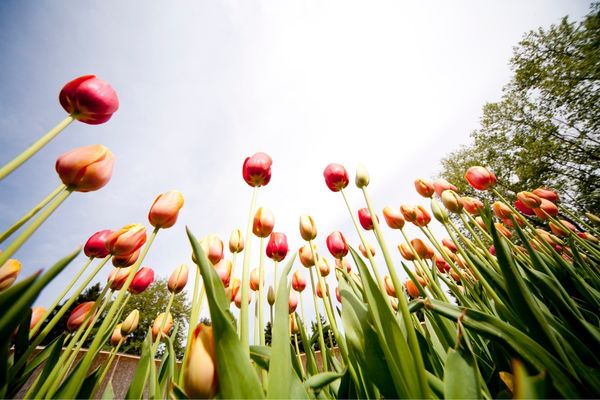
When I first started growing flowering plants, I assumed flowers were something you could only enjoy for a few weeks each year. I’d admire beautiful blooms at the garden center, bring a plant home, and then feel disappointed when the flowers disappeared. It wasn’t until I learned more about different species that I realized some plants can bloom almost continuously when they’re given the right care.
If you’re like me and love having color around the house all year, choosing long-flowering plants is one of the easiest ways to keep your garden or indoor space looking alive in every season.
Geraniums
Geraniums quickly became one of my favorite flowering plants because they seem to reward even simple care with constant bursts of color.
Their flowers come in shades of red, pink, white, purple, and even coral, making it easy to match almost any garden style. I love placing them on my patio because they brighten the space almost instantly.
I’ve found they perform best with several hours of sunlight each day. I water them only when the soil begins to dry, and I make a habit of removing faded blooms. It only takes a minute, but it encourages the plant to keep producing new flowers instead of putting energy into old ones.
Begonias
If your garden has shady corners like mine, begonias are worth considering.
I originally planted them because I wanted something colorful where the sun barely reached, and they exceeded every expectation. Their flowers seem to last forever, and their attractive foliage makes them beautiful even between blooming cycles.
I keep the soil lightly moist without letting it become soggy. Good drainage is important because begonias don’t enjoy sitting in wet soil for long periods.
They’re one of those plants that quietly perform all year without demanding much attention.
Anthuriums
The first time I saw an anthurium, I honestly thought its flowers looked too perfect to be real.
Those glossy, heart-shaped blooms can last for months, making this one of my favorite indoor flowering plants. Every time someone visits my home, it’s usually one of the first plants they notice.
Anthuriums enjoy bright, indirect light and appreciate consistent moisture. I also try to keep humidity fairly high around mine, especially during dry months, and it definitely seems to encourage more blooms.
Watching fresh flowers appear throughout the year never gets old.
Peace Lilies
Peace lilies have a way of making any room feel calmer.
I love their elegant white flowers and rich green leaves, but what really makes them beginner-friendly is how clearly they communicate. When mine gets thirsty, the leaves droop dramatically. After watering, it usually looks refreshed within a few hours, almost like it’s saying thank you.
I keep mine in medium to bright indirect light and avoid letting the soil dry out completely. A little fertilizer during the growing season also helps encourage repeat blooming.
It’s one of the easiest flowering plants I’ve ever cared for.
Kalanchoe
I didn’t expect a succulent to produce so many flowers, but kalanchoe completely changed my mind.
Its clusters of tiny blooms appear in cheerful shades of orange, yellow, pink, red, and white, creating a colorful display that lasts surprisingly long.
Because it’s a succulent, I treat it differently from my tropical plants. I wait until the soil has dried completely before watering again and keep it somewhere with plenty of bright light.
After flowering, I trim away the old blooms and continue caring for it normally. With enough light and a little patience, it often rewards me with another flowering cycle.
Tropical Hibiscus
Nothing catches attention quite like a hibiscus flower.
Those large, vibrant blooms instantly make me think of warm weather and tropical gardens. Whenever mine begins flowering, it feels like summer has officially arrived.
Hibiscus plants need plenty of sunlight, regular watering, and nutrient-rich soil to keep producing flowers. I also prune mine lightly throughout the growing season because new growth usually means even more blooms.
In warm climates, they can flower almost continuously, while indoors they simply need enough bright light to stay productive.
Phalaenopsis Orchids
Orchids intimidated me for years because I assumed they were difficult to grow.
After finally bringing one home, I realized they weren’t nearly as complicated as I’d imagined. Phalaenopsis orchids produce elegant flowers that can remain beautiful for several months at a time, making them one of the longest-lasting flowering houseplants available.
Mine sits near a bright window without direct afternoon sun. I water only when the growing medium feels almost dry, and I make sure there’s good airflow around the roots.
Every new flower spike still feels exciting, even after growing orchids for a while.
Simple Ways to Encourage More Flowers
I’ve noticed that flowering plants stay much happier when I keep a few basic habits in mind.
- Give each plant the amount of light it naturally prefers.
- Water consistently without leaving roots constantly wet.
- Feed flowering plants during their active growing season.
- Remove faded blooms to encourage fresh ones.
- Prune lightly when needed to stimulate healthy new growth.
- Protect plants from sudden temperature changes and cold drafts.
These simple routines don’t take much time, but they’ve made a noticeable difference in how often my plants bloom.
Final Thoughts
One of the things I love most about gardening is that there’s always something beautiful waiting to surprise me. Having plants that flower throughout the year means my home and garden never feel dull, even during seasons when everything else seems quiet.
If you’re hoping to enjoy colorful blooms for more than just a few weeks, start with one or two of these reliable flowering plants. Once you see how rewarding they are, you’ll probably find yourself making room for a few more before long.