
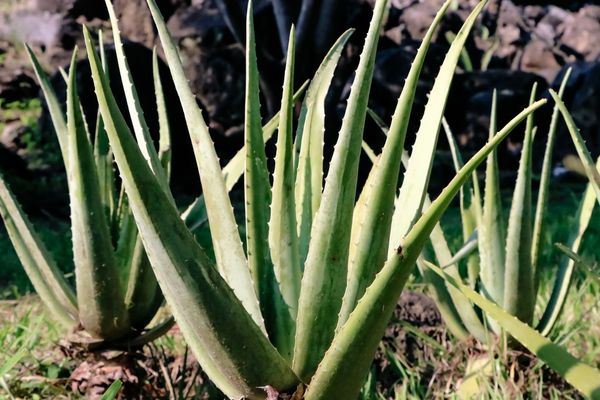
I used to think snake plants were almost impossible to kill. Every article I read described them as the perfect beginner-friendly houseplant, so I assumed they could survive anything. Then I managed to overwater my very first one.
That experience taught me an important lesson: even the toughest plants have preferences. Once I stopped treating my snake plant like every other houseplant and started caring for it according to its natural habitat, it completely transformed. New leaves appeared, the colors became richer, and it quickly became one of the easiest plants in my collection to maintain.
If you’re thinking about growing a snake plant—or you already have one and want it to thrive—here’s everything I’ve learned along the way.
Getting to Know the Snake Plant
Snake plants (Dracaena trifasciata, formerly known as Sansevieria) come from the dry regions of West Africa. Their tall, architectural leaves aren’t just beautiful—they’re designed to store water, allowing the plant to survive long periods without rain.
That’s one reason they make such wonderful houseplants. They’re forgiving, adaptable, and fit beautifully into almost any decorating style.
Another feature I appreciate is that snake plants are often recognized for helping improve indoor air quality, making them a popular addition to bedrooms, offices, and living spaces.
Finding the Right Light
One of the biggest advantages of growing snake plants is their flexibility.
Mine has lived in several different rooms over the years, and it has tolerated all of them surprisingly well. While it can survive in low-light areas, I’ve noticed that it grows much faster and produces stronger leaves when placed in bright, indirect sunlight.
A spot near a sunny window—but protected from harsh afternoon rays—seems to be the sweet spot.
Too much direct sun can bleach or scorch the leaves, while very dark corners usually result in slower growth.
Choosing the Best Soil
The first thing I changed after my overwatering disaster was the soil.
Regular potting mix tends to hold moisture for too long, which isn’t ideal for a plant that prefers dry conditions. I switched to a cactus and succulent mix, and the difference was immediate.
If you don’t have a specialized mix, you can improve ordinary potting soil by adding:
- Perlite
- Coarse sand
- Pumice
The goal is simple: water should drain quickly instead of sitting around the roots.
Always Use a Pot With Drainage
If there’s one piece of advice I’d give every new snake plant owner, it’s this:
Never plant one in a container without drainage holes.
Beautiful decorative pots are tempting, but trapped water is one of the quickest ways to cause root rot.
I usually keep my plant inside a plastic nursery pot with drainage and place that inside a decorative cachepot. It gives me the best of both worlds—good drainage and a stylish display.
Watering: Less Really Is More
This is where most people go wrong.
Snake plants prefer being slightly neglected rather than overwatered.
Instead of watering on a schedule, I always check the soil first. I push a finger a couple of inches into the pot, and if there’s still moisture, I simply wait.
During warmer months, mine usually needs water every two to three weeks.
In winter, it sometimes goes nearly a month without needing a drink.
It’s amazing how much healthier it became once I learned to resist the urge to water too often.
Recognizing Watering Problems
Your snake plant will usually tell you when something isn’t right.
Signs of too much water include:
- Soft leaves
- Mushy stems
- Yellowing foliage
- A sour smell coming from the soil
Signs it’s getting too little water are much less dramatic but can include:
- Wrinkled leaves
- Curling edges
- Slower growth
Fortunately, underwatering is usually much easier to fix than overwatering.
Temperature and Humidity
Snake plants are happiest in normal indoor temperatures.
Anything between 18°C and 30°C (65°F–86°F) works well.
They don’t enjoy frost or prolonged exposure to cold drafts, so I always keep mine away from doors that open frequently during winter.
Humidity isn’t much of a concern. Unlike many tropical houseplants, snake plants don’t require misting and adapt well to average indoor conditions.
Feeding Your Snake Plant
These plants aren’t heavy feeders.
During spring and summer, I fertilize mine every month or two using a balanced liquid fertilizer diluted to half strength.
I’ve found that giving more fertilizer doesn’t produce better results—in fact, too much can damage the roots.
Once cooler weather arrives and growth slows, I stop feeding altogether until spring returns.
Repotting Without Stress
One thing I love about snake plants is that they don’t mind being a little root-bound.
I usually repot every two or three years, or whenever I notice roots pushing through the drainage holes.
When repotting, I gently loosen the outer roots and replace the old soil with fresh, well-draining mix.
The plant usually settles into its new home without much fuss.
Easy Ways to Propagate
If you want more snake plants, propagation is surprisingly simple.
The easiest method is division while repotting.
Just separate a healthy section that already has roots attached and plant it in its own container.
Leaf cuttings also work well, although variegated varieties sometimes lose their distinctive yellow edges when propagated this way.
Common Problems and Simple Fixes
Although snake plants are remarkably resilient, they aren’t completely trouble-free.
Occasionally you may notice:
- Spider mites
- Mealybugs
- Yellow leaves
- Brown tips
Most issues can be traced back to watering mistakes.
Keeping the leaves clean and inspecting the plant every few weeks usually prevents small problems from becoming serious ones.
Why Snake Plants Remain One of My Favorites
After caring for dozens of different houseplants, I still recommend snake plants to almost everyone.
They’re beautiful without demanding constant attention, they tolerate occasional neglect, and they adapt to a wide variety of indoor environments.
Ironically, the hardest part of growing a snake plant is learning to leave it alone.
Once I stopped trying to “help” mine every few days, it rewarded me with stronger growth, healthier leaves, and years of effortless beauty.