
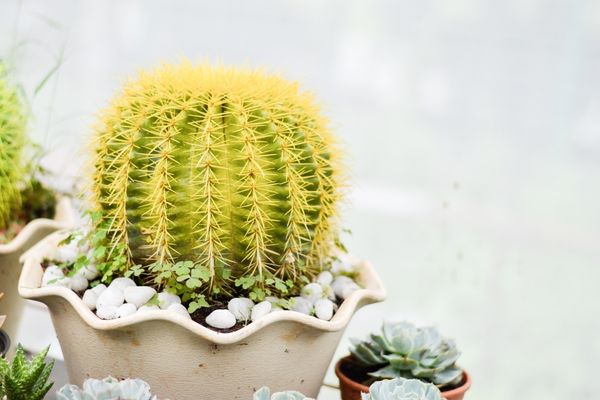
I used to think every cactus was basically the same. To me, they were all tough little desert plants that could survive endless sunshine and months without water. I honestly believed you could set one on a windowsill, forget about it, and it would be perfectly happy.
My first cactus quickly proved me wrong.
After a few months, it started leaning toward the light, its color faded slightly, and I realized I had been caring for it based on myths instead of understanding how it actually grows. That experience sparked my curiosity, and before long I found myself learning about different cactus species, their habitats, and the surprisingly diverse ways they live.
If you’re thinking about growing cacti, here are the things I wish I had known from the very beginning.
What Makes a Cactus Unique?
Cacti belong to a fascinating family of plants specially adapted to survive in environments where water is scarce.
Instead of storing moisture in their leaves like many succulents, they store it inside thick, fleshy stems. Their famous spines aren’t just for protection—they also help reduce water loss and provide a bit of shade from the intense sun.
These incredible adaptations allow many species to survive for weeks or even months without rainfall.
The Main Types of Cacti
One of the biggest surprises for me was discovering that not all cacti look alike. In fact, there are thousands of species, each with its own growth habit and personality.
Columnar Cacti
Tall, upright cacti like the famous saguaro belong to this group. Their dramatic shape makes them perfect statement plants for sunny gardens and bright indoor spaces.
Globe Cacti
These compact, rounded varieties stay relatively small and are ideal for windowsills, desktops, and beginner collections.
Prickly Pear Cacti
Recognizable by their flat, paddle-shaped segments, prickly pear cacti are among the easiest varieties to grow and often produce beautiful flowers followed by edible fruit.
Epiphytic Cacti
Not every cactus comes from the desert.
Species like the Christmas cactus and Easter cactus naturally grow attached to trees in tropical forests, where they receive filtered light and higher humidity instead of harsh desert conditions.
Understanding which type of cactus you have makes choosing the right care routine much easier.
Give Your Cactus Plenty of Light
Sunlight is one of the most important ingredients for healthy cactus growth.
Most desert species thrive with at least four to six hours of direct sunlight every day. I keep mine near my brightest windows, rotating them occasionally so every side receives even light.
If a cactus begins stretching toward the window or develops unusually thin growth, it’s usually asking for more sunshine.
Healthy light creates compact, sturdy plants with vibrant color.
Choose the Right Soil and Pot
Regular potting soil simply holds too much moisture for most cacti.
I always use a cactus-specific mix or create my own by combining standard potting soil with coarse sand and perlite. The goal is to let excess water drain quickly while keeping enough structure to support healthy roots.
The container matters just as much.
A pot with drainage holes is absolutely essential because standing water is one of the fastest ways to damage cactus roots.
Water Carefully
If there’s one mistake almost every new cactus owner makes, it’s watering too frequently.
Because cacti store water inside their stems, they prefer long dry periods between waterings.
I follow a simple routine:
- Water deeply until moisture drains from the bottom.
- Allow the soil to dry completely before watering again.
- Reduce watering significantly during winter dormancy.
- Never leave water sitting inside decorative containers or saucers.
Whenever I’m unsure whether it’s time to water, I simply wait another few days.
That approach has saved far more cacti than watering early ever did.
Temperature and Humidity
Most cacti appreciate warm temperatures between 65°F and 86°F (18°C to 30°C).
Although many species tolerate brief cool weather, prolonged freezing temperatures can cause permanent damage. During winter, I keep mine away from cold drafts and icy windows.
Humidity is rarely a concern because cacti naturally prefer dry air, making them excellent houseplants in most homes.
Fertilizing for Healthy Growth
Cacti don’t require frequent feeding, but they do appreciate a little extra nutrition during their active growing season.
I usually fertilize once a month in spring and summer using a balanced or low-nitrogen cactus fertilizer.
During fall and winter, I stop fertilizing completely so the plants can rest naturally.
Too much fertilizer often produces soft, weak growth instead of healthy, compact plants.
Pruning and Propagation
One of my favorite things about cacti is how easy many of them are to propagate.
Most columnar and prickly pear varieties grow beautifully from cuttings.
The process is surprisingly simple:
- Remove a healthy segment using a clean, sharp tool.
- Allow the cutting to dry for several days until a protective callus forms.
- Plant it in dry, well-draining soil.
- Wait before watering so the cutting can begin rooting safely.
Watching a tiny cutting become a thriving cactus never gets old.
Common Problems
Even though cacti are resilient, they can still develop problems if their basic needs aren’t met.
Some of the most common issues include:
- Root rot: Usually caused by overwatering or poorly draining soil.
- Mealybugs: Small white insects that hide in crevices and feed on plant sap.
- Spider mites: Tiny pests that may leave discoloration or fine webbing.
- Etiolation: Weak, stretched growth caused by insufficient light.
The good news is that catching these problems early usually makes them much easier to solve.
Fascinating Facts About Cacti
The more I learn about cacti, the more impressive they become.
Here are a few facts I love sharing:
- Some cactus species can survive for months without rainfall.
- Their spines are actually modified leaves.
- Many cactus flowers bloom for only a single day or night.
- Certain flowers are pollinated by hummingbirds or even bats.
- Some giant species can live well over 100 years.
It’s amazing how much diversity exists within a plant family that many people assume is simple.
Indoor vs. Outdoor Cactus Care
Whether a cactus grows indoors or outdoors, its basic needs remain similar, but there are a few important differences.
Indoor cacti benefit from:
- Bright windows with several hours of sunlight.
- Careful watering.
- Excellent drainage.
Outdoor cacti enjoy:
- Natural airflow.
- Strong sunlight.
- Protection from prolonged rain and freezing temperatures.
Choosing the right location is often just as important as watering correctly.
Final Thoughts
Growing cacti has taught me that “low-maintenance” doesn’t mean “maintenance-free.”
These remarkable plants are incredibly resilient, but they still rely on the right combination of sunlight, well-draining soil, thoughtful watering, and occasional care to reach their full potential.
Once I stopped treating every cactus the same and started understanding the unique needs of different species, they became some of the easiest—and most rewarding—plants in my collection. Their incredible ability to adapt, survive, and thrive continues to inspire me every time I see a new cactus putting out fresh growth or an unexpected bloom.