
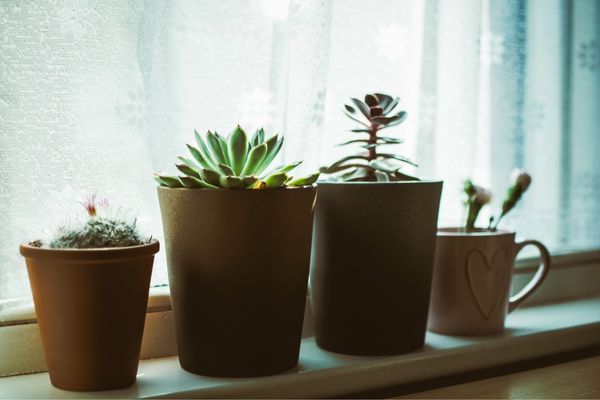
I used to believe that keeping plants alive required endless free time.
Whenever I saw someone’s home filled with lush greenery, I imagined they spent hours watering, pruning, fertilizing, and constantly checking every leaf. Since my schedule was always packed, I convinced myself that gardening simply wasn’t for me.
Thankfully, I couldn’t have been more wrong.
Once I discovered that many plants actually prefer to be left alone most of the time, everything changed. Today, even during my busiest weeks, my home is full of healthy plants that ask for surprisingly little attention.
If you’ve been avoiding plants because you think you’re too busy, these are the varieties I recommend the most.
Why Low-Maintenance Plants Are So Popular
Not every plant demands daily care.
Many species have adapted to survive periods of drought, inconsistent watering, or less-than-perfect lighting, making them ideal companions for busy lifestyles.
Some of the biggest advantages include:
- Less frequent watering
- Greater tolerance for occasional neglect
- Beautiful foliage year-round
- Air-purifying benefits
- Easy care for beginners
For me, these plants removed the pressure of having to be a “perfect” gardener.
Succulents and Cacti
Succulents were the first plants that gave me confidence.
Because they store water inside their leaves and stems, they can go for long periods without needing attention.
Some of my favorites include:
- Aloe Vera – Easy to grow and useful for minor skin irritations.
- Echeveria – Beautiful rosette-shaped leaves with lovely colors.
- Haworthia – Compact, hardy, and perfect for desks or shelves.
Most of mine only need watering every couple of weeks, sometimes even less during cooler months.
Snake Plant
If someone asks me for a nearly indestructible plant, I always suggest the snake plant.
It tolerates:
- Low light
- Bright indirect light
- Missed watering
- Dry indoor air
Its upright leaves also make any room look modern and elegant.
As a bonus, it’s often mentioned as one of the best indoor plants for improving air quality.
ZZ Plant
The ZZ plant completely changed my expectations of what an easy houseplant could be.
Its thick underground rhizomes store water, allowing it to survive long periods without watering.
I love it because it:
- Handles low-light rooms well.
- Rarely complains if I forget to water it.
- Always looks glossy and healthy.
It’s become one of my favorite recommendations for offices.
Pothos
If I had to choose only one trailing plant for beginners, pothos would probably win.
It grows quickly, adapts to different lighting conditions, and forgives occasional neglect better than almost any other vine I’ve grown.
I especially enjoy placing pothos on shelves where the vines can cascade naturally.
Another bonus is that it’s frequently recognized for helping improve indoor air quality.
Spider Plant
Spider plants have a cheerful personality.
Their arching leaves instantly brighten a room, and before long they start producing little baby plants that dangle from long stems.
They’re wonderful because they:
- Adapt to different light conditions.
- Recover well from occasional missed watering.
- Produce easy-to-propagate offsets.
Watching those little “babies” appear never gets old.
Create a Simple Care Routine
Even easy plants appreciate a little consistency.
Instead of trying to remember dozens of different schedules, I keep my routine incredibly simple.
Here’s what works for me:
- Check soil moisture once a week.
- Water only when each plant actually needs it.
- Wipe dusty leaves occasionally.
- Feed plants lightly during spring and summer.
Grouping plants with similar care requirements also makes everything much easier.
Let Technology Help
Modern tools can make plant care even simpler. Some options I’ve found useful include:
- Self-watering pots
- Soil moisture sensors
- Gardening reminder apps
They’re especially helpful if you travel frequently or tend to lose track of watering schedules.
Choose the Right Spot
One lesson I learned early is that choosing the right location often matters more than constant maintenance.
Most easy-care plants perform much better when they’re placed somewhere that naturally suits their light requirements.
Before bringing home a new plant, I always ask myself:
- Does this room receive bright or indirect light?
- Is the temperature fairly stable?
- Will I remember to notice this plant regularly?
Answering those questions usually prevents problems before they begin.
It’s Better to Underwater Than Overwater
If busy gardeners make one common mistake, it’s usually watering too often.
Many beginner-friendly plants are surprisingly drought tolerant.
Whenever I’m unsure whether a plant needs water, I simply wait another day or two.
That habit has saved far more plants than watering too early ever has.
Final Thoughts
Having a busy schedule doesn’t mean you have to give up the idea of surrounding yourself with plants.
By choosing resilient species like succulents, snake plants, ZZ plants, pothos, and spider plants, it’s entirely possible to enjoy beautiful greenery without adding stress to your routine.
I’ve learned that successful gardening isn’t about spending hours every day caring for plants. It’s about choosing the right plants for your lifestyle and giving them consistent, thoughtful care. Sometimes, the easiest plants turn out to be the ones that inspire the greatest love for gardening.