
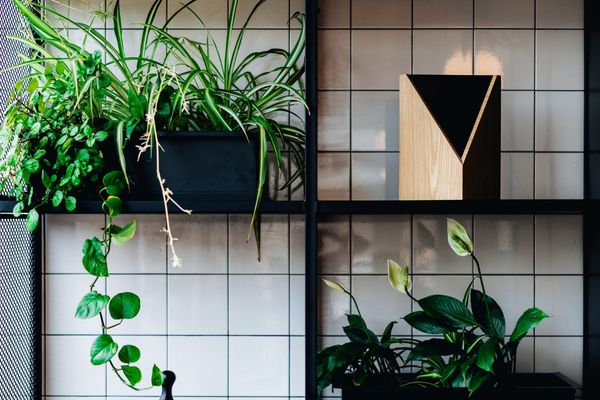
Whenever I feel like a room needs a little more life, I don’t automatically look for new furniture or decorations. Instead, I look up.
Walls and shelves offer so much untapped potential, and hanging plants have become my favorite way to transform those empty spaces. Their cascading vines soften sharp lines, add texture, and make even the smallest rooms feel fresh and inviting—all without sacrificing valuable floor space.
If you’ve been wondering how to decorate vertically with plants, here are the ideas and lessons that have worked best for me.
Why I Love Decorating Vertically
When I first started collecting houseplants, every pot ended up on a windowsill or tabletop.
Eventually, I ran out of space.
That’s when I discovered the beauty of hanging plants.
Using walls and shelves instantly opened up new decorating possibilities while making the room feel larger instead of more crowded.
Some of the biggest advantages include:
- Saving floor space
- Creating visual height
- Adding movement to a room
- Making empty walls feel more interesting
- Bringing nature closer to eye level
Now I actually plan my rooms with vertical greenery in mind.
The Best Trailing Plants for Beginners
Not every plant is suited for hanging displays.
I like choosing varieties that naturally trail or cascade because they require very little shaping.
Some of my favorites are:
- Pothos
- Heartleaf Philodendron
- Spider Plant
- Tradescantia
- String of Pearls
- String of Hearts
Each one creates a completely different look, but all of them reward you with beautiful flowing foliage.
Mix Different Leaf Shapes
One decorating trick I’ve learned is to avoid using identical plants everywhere.
Instead, I combine different textures.
For example, I might pair the rounded leaves of a String of Hearts with the larger foliage of a Philodendron and the arching leaves of a Spider Plant.
The contrast makes the arrangement feel much more natural.
Nature rarely repeats itself, and I try to decorate the same way.
Create Layers on Your Walls
One hanging plant looks lovely.
Three or four placed at different heights create something much more dramatic.
I like using:
- Wall-mounted planters
- Floating shelves
- Hanging baskets
- Decorative brackets
- Ceiling hooks
Layering plants gives the room movement and makes the display feel almost like living artwork.
Let Shelves Become Mini Gardens
Bookshelves aren’t just for books anymore.
I enjoy leaving small open spaces where trailing plants can spill gently over the edges.
Some shelves include:
- Books
- Candles
- Ceramic pots
- Framed photos
- Hanging vines
The plants soften the straight lines of the shelving and create a relaxed, welcoming atmosphere.
Choosing Containers That Match Your Style
The planter is almost as important as the plant itself.
I’ve found that choosing containers that complement my home’s style makes everything feel more cohesive.
Some of my favorites include:
- Terracotta pots
- Handmade ceramic planters
- Woven baskets
- Matte concrete containers
- Neutral-colored hanging pots
I try not to make every container identical.
A little variation gives the display personality.
Don’t Forget About Light
One mistake I made early on was hanging plants wherever they looked beautiful.
Unfortunately, some of those locations didn’t provide enough light.
Now I always check the lighting before deciding where a plant should live.
Most trailing houseplants thrive with:
- Bright indirect sunlight
- Good air circulation
- Consistent temperatures
- Protection from harsh afternoon sun
If a darker corner really needs greenery, I sometimes add a discreet grow light.
It keeps the plants healthy without changing the overall look of the room.
Make Watering Easy
Hanging plants can be slightly more challenging to water than plants sitting on the floor.
After a few messy accidents, I developed a simple routine.
I usually:
- Check soil moisture before watering
- Remove lightweight pots when necessary
- Let excess water drain completely
- Return the plant only after dripping stops
This prevents water stains on shelves and protects nearby furniture.
Match Plants to Your Decorating Style
One thing I appreciate about hanging plants is how adaptable they are.
They fit almost every interior design style.
For example:
Modern spaces
- Clean ceramic pots
- Simple trailing vines
- Neutral color palette
Bohemian rooms
- Layered greenery
- Macramé hangers
- Mixed baskets
- Abundant foliage
Minimalist interiors
- One or two statement plants
- Plenty of open space
- Simple shelving
No matter your decorating style, there’s usually a hanging plant that fits naturally.
More Than Just Beautiful Decorations
Of course, I love the way hanging plants look.
But what keeps me adding more of them isn’t only their beauty.
They bring softness into rooms filled with hard surfaces.
They make shelves feel less rigid.
They create movement every time a gentle breeze passes by.
And somehow, they make my home feel calmer.
Bringing Life to Every Empty Wall
I’ve learned that some of the best decorating opportunities aren’t on the floor—they’re right in front of us on empty walls and forgotten shelves. Hanging plants allow me to use those spaces creatively while keeping my home bright, open, and full of life. Every trailing vine reminds me that beautiful design doesn’t always require expensive renovations. Sometimes all it takes is a healthy plant, the right spot, and a little patience as nature slowly creates the masterpiece for you.