
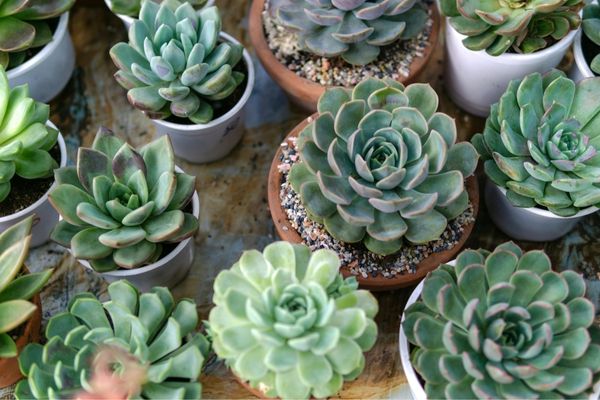
The first succulent I ever brought home looked almost too perfect to be real. Its plump little leaves and neat rosette shape made it seem impossible to kill. I figured that because everyone called succulents “low-maintenance,” I could simply place it on a shelf and forget about it.
A few weeks later, the leaves became soft, the stem turned mushy, and I learned my first big lesson: easy-care doesn’t mean no care.
Since then, I’ve grown quite a collection of succulents, and I’ve discovered that once you understand how they naturally grow, they’re actually some of the most rewarding plants you can own.
Why Succulents Are Different
Succulents have evolved to survive in places where rainfall is scarce.
Instead of relying on frequent watering, they store moisture inside their leaves, stems, or roots. That’s why they look so full and fleshy compared to many other houseplants.
Understanding this simple fact changed the way I cared for them. Rather than treating them like tropical plants, I started recreating the dry conditions they naturally love.
Almost immediately, they became healthier and much easier to maintain.
Start with the Right Soil
If there’s one thing succulents absolutely need, it’s excellent drainage.
Regular garden soil holds too much water, which can quickly lead to root rot. I always use a cactus or succulent potting mix, or I make my own by mixing standard potting soil with perlite, coarse sand, or pumice.
The goal is simple: water should flow through the soil instead of sitting around the roots. Healthy roots begin with healthy soil.
Choosing the Perfect Pot
I used to choose pots based entirely on appearance.
Now I pay far more attention to function. Drainage holes are non-negotiable for my succulents. Even the prettiest container isn’t worth using if water has nowhere to escape.
Terracotta pots have become my favorite because they’re breathable and help excess moisture evaporate more quickly. Smaller succulents also seem happiest in shallow containers that match their compact root systems.
The Biggest Mistake: Overwatering
Almost every succulent I’ve lost has died from kindness rather than neglect.
Watering too often is by far the most common mistake. Today I follow the “soak and dry” approach. I water thoroughly until moisture drains from the bottom of the pot, then I leave the plant alone until the soil has completely dried.
During winter, I water even less because most succulents slow their growth considerably. When in doubt, I wait another day or two.
Give Them Plenty of Light
Light makes an enormous difference in how succulents grow.
When mine receive plenty of bright light, they stay compact, colorful, and sturdy. Without enough light, they begin stretching toward the nearest window, producing long, weak stems instead of their naturally attractive shape.
I keep most of my collection near bright south- or west-facing windows, rotating the pots every week or so to encourage even growth.
Watching them develop vibrant colors with proper light is one of my favorite parts of growing succulents.
Temperature and Airflow Matter Too
Succulents appreciate conditions that are surprisingly similar to those found in many homes.
Warm temperatures, dry air, and good airflow help prevent fungal problems and encourage healthy growth.
I avoid placing mine near heating vents, freezing windows, or cold drafts. If humidity becomes especially high, I simply improve air circulation instead of increasing watering.
They really do prefer life on the drier side.
Fertilize Sparingly
Unlike many leafy houseplants, succulents don’t need constant feeding.
I usually apply a diluted fertilizer once a month during spring and summer when they’re actively growing. During fall and winter, I skip fertilizing altogether and let the plants rest.
I’ve found that too much fertilizer often produces weak, stretched growth instead of the compact appearance I love.
Sometimes less truly is more.
Pruning and Growing New Plants
One of the things that makes succulents so enjoyable is how easy they are to propagate.
Whenever a healthy leaf falls off or I trim a stem, I rarely throw it away. Instead, I allow the cutting to dry for a couple of days before placing it on well-draining soil.
Watching tiny roots and baby plants emerge still feels a little magical every time.
It’s one of the easiest—and most affordable—ways to expand a collection.
Solving Common Problems
Succulents are generally resilient, but they still communicate when something isn’t right.
Soft, mushy leaves usually tell me I’ve been watering too much. Wrinkled leaves often mean it’s finally time for a good soak.
If a plant starts stretching upward with large gaps between its leaves, I know it needs more light. And whenever I spot tiny pests like mealybugs, I deal with them quickly before they spread.
Paying attention to these early warning signs has saved many of my plants over the years.
Final Thoughts
Succulents have taught me that successful gardening isn’t about doing more—it’s about understanding what each plant truly needs.
With well-draining soil, bright light, occasional watering, and a little patience, these fascinating plants can thrive for years while asking for very little in return.
If you’re just beginning your gardening journey, I honestly can’t think of a better place to start. Once you learn to resist the urge to overwater, you’ll discover why so many people fall in love with growing succulents.