
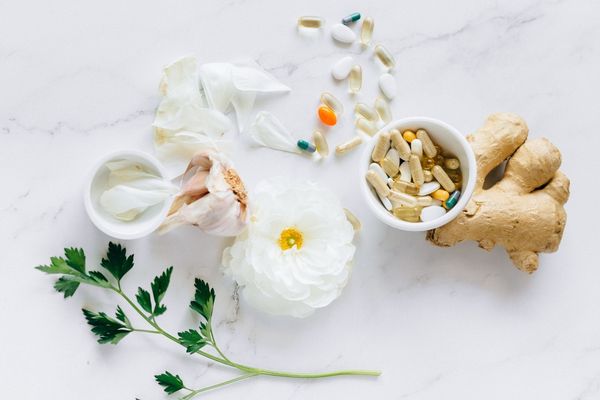
When I first became interested in medicinal plants, I imagined I needed a huge garden filled with rare herbs from around the world.
The reality turned out to be much simpler.
Some of the most useful medicinal plants are incredibly easy to grow and may already be sitting on a sunny windowsill or growing quietly in a backyard garden. As I learned more about herbal traditions and experimented with growing my own plants, I realized that these natural remedies aren’t about replacing modern medicine—they’re about supporting everyday wellness in simple, thoughtful ways.
Today, I love having a small collection of medicinal herbs at home. Not only do they make my garden smell wonderful, but they also remind me how closely our health has always been connected to nature.
What Makes a Plant Medicinal?
Medicinal plants contain naturally occurring compounds that may support the body’s normal functions or help relieve certain minor symptoms.
Different parts of the same plant can offer different benefits, including:
- Leaves
- Flowers
- Roots
- Bark
- Seeds
These natural compounds have been used for thousands of years in herbal traditions across the world and continue to inspire many modern medicines today.
Learning about these plants gave me a whole new appreciation for the incredible chemistry happening inside every garden.
A Tradition That Spans Thousands of Years
Long before pharmacies existed, people relied on plants to care for their families.
Ancient civilizations developed sophisticated systems of herbal medicine, passing knowledge from one generation to the next. Traditions such as Ayurveda, Traditional Chinese Medicine, and countless Indigenous healing practices all recognized the remarkable value of medicinal plants.
Even now, many prescription medications trace their origins back to compounds first discovered in plants.
That connection between traditional wisdom and modern science is something I find fascinating.
Aloe Vera: The Plant I Reach for Most Often
If I had to recommend just one medicinal plant for beginners, it would probably be aloe vera.
Its thick, succulent leaves contain a soothing gel that I’ve used countless times for:
- Minor burns
- Small cuts
- Skin irritation
- Sunburn relief
Keeping one healthy aloe plant near a sunny window means I always have a fresh source available whenever I need it.
It’s one of those plants that’s both beautiful and incredibly practical.
Chamomile for Relaxation
Chamomile quickly became one of my favorite herbs to grow.
Its cheerful daisy-like flowers aren’t just attractive—they can also be harvested and dried for tea.
Whenever life feels especially busy, brewing a warm cup of chamomile tea has become one of my favorite evening rituals.
Many people enjoy chamomile because it may help:
- Promote relaxation
- Support healthy sleep
- Soothe mild digestive discomfort
Whether those benefits come from the herb itself or simply the calming routine of making tea, I always finish my cup feeling more peaceful.
Ginger: More Than a Kitchen Ingredient
I used to think ginger belonged only in recipes.
Then I learned how widely it’s been used throughout history as a medicinal plant.
Ginger is commonly appreciated for supporting:
- Digestion
- Nausea relief
- Healthy circulation
- The body’s natural inflammatory response
Although I usually buy fresh ginger roots for cooking, growing it at home has become another enjoyable gardening project.
Watching those tropical-looking leaves emerge is surprisingly satisfying.
Turmeric’s Golden Reputation
Turmeric has gained enormous popularity over the past several years, and it’s easy to understand why.
Its bright orange rhizomes contain curcumin, a natural compound that has been widely studied for its antioxidant and anti-inflammatory properties.
I enjoy adding fresh turmeric to soups, smoothies, and warm drinks whenever I can.
Growing it requires patience, but harvesting your own turmeric feels incredibly rewarding.
Peppermint: Fresh, Fragrant, and Versatile
Peppermint is one of the easiest herbs I’ve ever grown.
In fact, it grows so enthusiastically that I now keep it in its own container to stop it from taking over nearby plants.
Fresh peppermint leaves are wonderful for:
- Herbal teas
- Digestive support
- Cooling summer drinks
- Aromatic garden spaces
Even brushing past the leaves releases a refreshing scent that instantly brightens my mood.
Echinacea and Immune Support
Echinacea is another fascinating medicinal plant.
Its striking purple flowers attract bees and butterflies while also providing herbal material that many people use to support their immune system, particularly during cold and flu season.
Beyond its traditional herbal uses, it’s simply a gorgeous addition to any pollinator-friendly garden.
I love growing plants that are beneficial for both people and wildlife.
Medicinal Plants as Part of Everyday Wellness
One thing I’ve learned is that medicinal plants aren’t only about treating illness.
Many people use herbs daily to support overall health through simple habits like:
- Drinking herbal teas
- Cooking with fresh herbs
- Using aromatic plants around the home
- Preparing gentle herbal infusions
This preventive approach focuses on maintaining balance rather than waiting until something feels wrong.
I find that philosophy both practical and refreshing.
Growing Your Own Herbal Medicine Garden
One of the biggest surprises for me was discovering how easy many medicinal plants are to grow.
Some excellent beginner choices include:
- Mint
- Chamomile
- Basil
- Rosemary
- Lemon balm
- Aloe vera
Most thrive in containers, making them perfect even if you only have a balcony or sunny windowsill.
There’s something deeply satisfying about harvesting herbs you’ve grown yourself.
Using Medicinal Plants Responsibly
Although medicinal plants are natural, they still deserve respect.
Natural doesn’t automatically mean harmless.
Some herbs may:
- Interact with medications
- Cause allergic reactions
- Be unsuitable during pregnancy
- Require careful dosage
Whenever I’m trying a new medicinal herb, I make sure to research it carefully and seek professional advice when appropriate.
Responsible use is just as important as growing the plant itself.
Why Medicinal Plants Changed the Way I Garden
Growing medicinal plants has made my garden feel more meaningful.
Instead of seeing plants as simple decoration, I now see them as living companions that have supported human health for generations. Every cup of herbal tea, every fragrant leaf, and every freshly harvested herb reminds me that nature has always offered remarkable resources for caring for ourselves.
For me, cultivating medicinal plants isn’t just about growing herbs—it’s about preserving ancient knowledge, creating healthier daily habits, and developing a deeper appreciation for the quiet healing power of the natural world.