
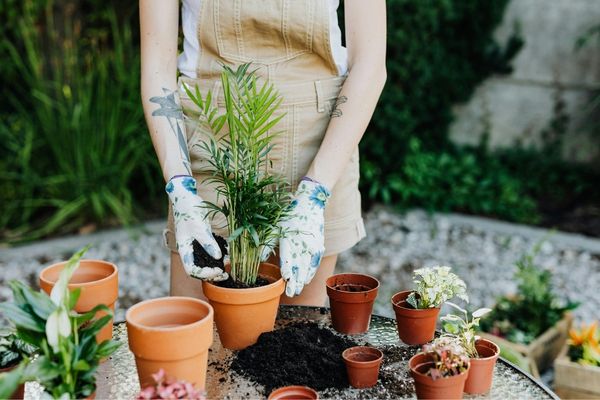
Repotting used to make me incredibly nervous.
Every time one of my plants outgrew its pot, I worried that I would damage the roots or send it into shock. More than once, I postponed repotting simply because I was afraid of making things worse.
Ironically, waiting too long caused far more problems than repotting ever did.
Once I learned the proper technique, I realized that moving a plant into fresh soil and giving its roots more space is one of the best things you can do for its long-term health. Today, repotting feels less like a risky chore and more like giving my plants a fresh start.
If you’ve been putting off repotting because it seems intimidating, here’s everything I’ve learned that has helped me do it safely and confidently.
Why Repotting Is So Important
Plants don’t stop growing just because they’re indoors.
As their roots expand, they eventually fill every available inch inside the pot. When that happens, they begin competing with themselves for water, nutrients, and space.
A root-bound plant may continue surviving for quite some time, but it often grows more slowly and becomes increasingly difficult to keep healthy.
Repotting solves these problems by providing:
- Fresh soil
- Additional room for root growth
- Better drainage
- Improved nutrient availability
It’s one of the simplest ways to encourage stronger, healthier plants.
Knowing When It’s Time
One of the biggest questions I used to have was knowing exactly when a plant needed a larger container.
Over time, I learned to watch for several reliable signs.
A plant may be ready for repotting if:
- Roots are growing through the drainage holes.
- Water runs straight through the pot without soaking in.
- Growth has slowed dramatically.
- The plant dries out much faster than usual.
- The root ball has become tightly packed.
These clues usually tell me it’s time to give the plant a little more space.
Choose the Right Time of Year
Timing matters more than I expected.
Most plants recover fastest when repotted during their active growing season, usually in spring or early summer.
During this period, new roots develop quickly, helping the plant settle into its new container.
Whenever possible, I avoid repotting while a plant is flowering or dormant because those stages tend to be more stressful.
Picking the Right Pot
I used to think bigger was always better.
Now I know that’s rarely true.
The ideal new container is only slightly larger than the previous one—usually just a couple of inches wider.
Choosing a pot that’s far too large can leave excess soil holding moisture around the roots, increasing the risk of root rot.
No matter what style I choose, one feature is always non-negotiable:
Drainage holes.
Without them, excess water has nowhere to escape.
Selecting the Best Potting Mix
Not every plant thrives in the same type of soil.
Succulents, orchids, tropical foliage plants, and flowering houseplants all have different preferences.
Before repotting, I always choose a growing medium designed for the specific type of plant.
Using the proper soil often makes just as much difference as the repotting itself.
A good mix should provide:
- Excellent drainage
- Adequate moisture retention
- Plenty of airflow around the roots
Prepare Before You Begin
One habit that has made repotting much easier is gathering everything beforehand.
I usually have ready:
- Fresh potting mix
- The new pot
- Clean pruning scissors
- Gardening gloves
- A small trowel
I also water the plant lightly the day before. Slightly moist soil helps the root ball slide out much more easily.
Removing the Plant Carefully
This used to be the part I feared most.
Instead of pulling on the stems, I gently tip the pot sideways and support the base of the plant with one hand.
If necessary, I tap the sides of the container or squeeze flexible plastic pots to loosen the roots.
Patience is much safer than force.
Once the root ball comes free, I can inspect the roots without causing unnecessary damage.
What to Do With the Roots
Healthy roots are usually firm and light in color.
If I find any roots that are:
- Brown
- Mushy
- Rotten
- Dead
I remove them using sterilized scissors.
When the roots have wrapped tightly around the shape of the pot, I gently loosen them with my fingers so they’ll begin growing outward instead of continuing to circle.
It’s amazing how quickly plants respond once those roots have room to expand.
Planting in the New Container
Before placing the plant into its new pot, I add a small layer of fresh soil to the bottom.
Then I position the plant so it sits at exactly the same depth as before.
Planting too deeply can bury the stem, while planting too high may expose delicate roots.
Once everything is centered, I fill around the root ball with fresh soil, gently pressing it into place without compacting it too tightly.
Roots still need air as well as moisture.
Water Thoroughly After Repotting
One of the most satisfying parts of repotting is giving the plant its first drink in its new home.
I water slowly until moisture drains freely from the bottom of the pot.
This helps settle the soil around the roots and removes large air pockets.
Afterward, I avoid watering again until the soil begins drying according to the plant’s normal needs.
Give the Plant Time to Recover
It’s perfectly normal for a freshly repotted plant to look slightly tired for a few days.
I usually move mine into bright, indirect light and avoid fertilizing for several weeks while new roots become established.
With a little patience, most plants bounce back surprisingly quickly.
Watching fresh leaves emerge after repotting always feels like confirmation that the move was successful.
Why I No Longer Fear Repotting
Repotting used to feel like one of the most intimidating parts of plant care.
Now I see it as an opportunity to help my plants continue growing their healthiest lives.
By choosing the right pot, using fresh soil, handling the roots gently, and giving each plant a little time to recover, repotting becomes a simple and rewarding routine instead of a stressful event.
Every healthy plant eventually needs a little more room to grow—and helping it make that transition is one of the most satisfying experiences any gardener can have.