
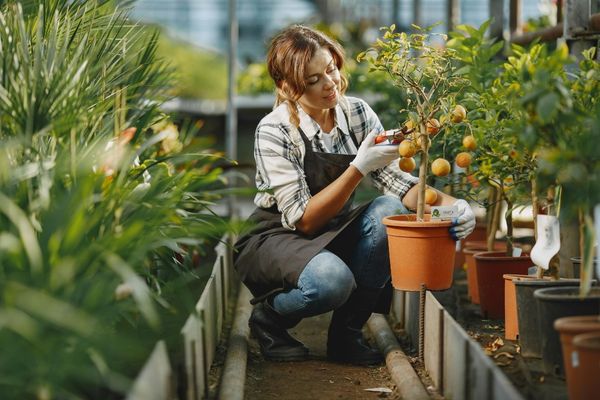
I used to think pruning was something only professional gardeners needed to worry about.
Whenever I saw someone trimming branches with confidence, I assumed they had years of experience and knew secrets I didn’t. Meanwhile, I was afraid that one wrong cut would ruin my plants forever. So I avoided pruning altogether, leaving dead leaves, tangled branches, and overgrown shrubs exactly as they were.
Ironically, it wasn’t until I finally gathered the courage to make my first careful cuts that I discovered pruning is actually one of the healthiest things you can do for many plants.
Why Pruning Matters
At first glance, cutting parts of a healthy plant seems completely backward.
Why remove something that’s growing?
I eventually learned that pruning isn’t about making a plant smaller—it’s about helping it grow stronger.
Proper pruning can:
- Encourage healthy new growth
- Improve air circulation
- Increase flowering and fruit production
- Remove diseased or damaged branches
- Maintain an attractive shape
- Prevent overcrowding
Once I understood these benefits, pruning became something I looked forward to instead of avoiding.
Not Every Plant Needs Heavy Pruning
One mistake beginners often make is assuming every plant should be cut back regularly.
That’s simply not true.
Some plants require only occasional maintenance, while others benefit from more structured pruning each year.
Before making any cuts, I always spend a little time learning how that particular plant naturally grows.
Understanding its growth habit has helped me avoid many unnecessary mistakes.
Knowing the Best Time to Prune
Timing makes a huge difference.
Early on, I pruned a flowering shrub at the wrong time of year and accidentally removed nearly all of its flower buds.
It wasn’t a disaster, but it was definitely disappointing.
In general, many trees and shrubs are best pruned during their dormant season because it’s easier to see their structure and the plant experiences less stress.
However, some simple pruning tasks can be done throughout the growing season.
These include removing:
- Dead branches
- Broken stems
- Diseased growth
- Faded flowers
- Yellow leaves
Taking care of these problems as soon as they appear helps keep plants healthy.
Use the Right Tools
I quickly learned that sharp tools make pruning much easier.
Trying to cut branches with dull pruners often leaves rough wounds that take longer to heal.
Some basic pruning tools include:
- Hand pruners
- Loppers
- Pruning saws
- Gardening gloves
I also make it a habit to clean my tools before and after pruning, especially if I’ve removed diseased plant material.
It’s a simple step that helps prevent the spread of disease.
Where You Make the Cut Matters
This was one of the biggest lessons for me.
It’s not enough to simply remove a branch—you also need to cut in the right place.
Whenever possible, I make cuts:
- Just above a healthy bud
- At a slight angle
- Without crushing the stem
- Close to the branch collar when removing larger branches
Making clean cuts allows plants to heal naturally and encourages healthy new growth.
Don’t Leave Long Stubs
I used to leave little pieces of branches because I was nervous about cutting too close.
Later, I discovered those stubs often die back and can become entry points for disease and insects.
Now I aim for clean, thoughtful cuts instead of hesitant ones.
It makes a noticeable difference in how quickly plants recover.
Pruning Houseplants
Indoor plants usually don’t require dramatic pruning.
Most of my houseplant maintenance simply involves removing:
- Yellow leaves
- Damaged stems
- Weak or leggy growth
- Faded flowers
Regular trimming helps many indoor plants become fuller and healthier over time.
I’ve noticed that several of my favorite houseplants become much bushier after a light pruning session.
Caring for Shrubs and Trees
Shrubs often benefit from selective thinning rather than aggressive trimming.
Instead of shortening every branch, I remove a few older stems completely to improve airflow and allow sunlight to reach the center of the plant.
Trees require a similar thoughtful approach.
Removing weak, crossing, or damaged branches helps maintain a stronger structure while reducing the risk of future problems.
Watching a tree develop a balanced shape over several years is surprisingly rewarding.
Common Pruning Mistakes
I’ve made plenty of pruning mistakes, but each one taught me something useful.
Some of the most common errors include:
- Removing too much at once
- Pruning at the wrong time of year
- Using dirty tools
- Making jagged cuts
- Topping trees unnecessarily
One guideline I always remember is to avoid removing more than about one-third of a plant’s growth during a single pruning session.
Patience almost always produces better results.
Helping Plants Recover
Pruning doesn’t end after the last cut.
Plants still need a little support as they recover.
After pruning, I usually:
- Water consistently
- Keep an eye on new growth
- Remove any additional damaged material
- Continue normal care without over-fertilizing
Healthy plants usually respond with fresh, vigorous growth within a few weeks.
Seeing those first new shoots always reassures me that the pruning was worthwhile.
Confidence Comes With Practice
The more I prune, the less intimidating it becomes.
I’ve learned that plants are often far more resilient than we imagine.
Of course, mistakes happen, and I’ve certainly made my share. But every season has taught me something new about how different plants respond, and each experience has made me a little more confident.
A Skill Every Gardener Can Learn
Pruning once felt like one of the most difficult gardening skills to master.
Now I see it as an essential part of helping plants stay healthy for years to come. With the right timing, clean tools, thoughtful cuts, and a little patience, pruning becomes less about removing growth and more about encouraging it.
Every careful cut is an investment in the plant’s future. And while I still approach each pruning session with respect, I no longer approach it with fear. Instead, I see it as another opportunity to help my garden become stronger, healthier, and more beautiful with every growing season.