
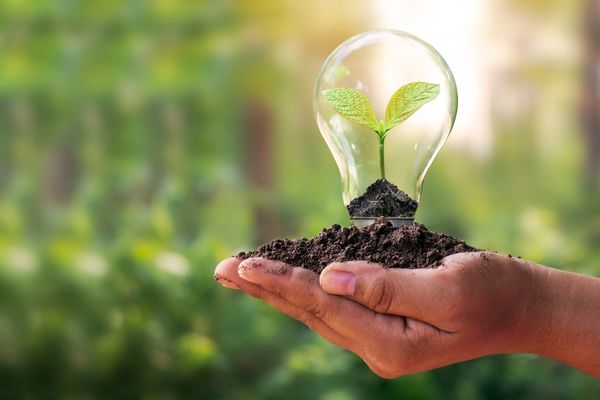
Growing plants used to feel like a personal hobby.
I enjoyed watching flowers bloom, harvesting herbs for dinner, and filling my home with greenery. It wasn’t until I started learning more about ecosystems that I realized every tree I planted and every native flower I added to my garden could contribute to something much bigger.
Plants aren’t just beautiful decorations—they’re the foundation of life on Earth. They clean our air, protect wildlife, stabilize the soil, and help regulate our climate. The more I learned, the more I understood that gardening can be a small but meaningful act of environmental conservation.
Today, every new plant I grow feels like a tiny investment in the future.
Plants Are the Foundation of Healthy Ecosystems
It’s easy to admire a beautiful tree without thinking about everything it’s doing behind the scenes.
Plants quietly perform countless jobs that make life possible for people, animals, and countless other living organisms.
Some of their most important roles include:
- Producing oxygen
- Absorbing carbon dioxide
- Supporting wildlife
- Protecting soil
- Regulating water cycles
- Improving air quality
Without plants, the world we know simply couldn’t exist.
Every Breath Begins With Plants
One of the first things we learn in school is that plants produce oxygen through photosynthesis.
As I grew older, I realized just how extraordinary that process really is.
Plants absorb carbon dioxide, combine it with water and sunlight, and create the energy they need to grow while releasing oxygen into the atmosphere.
Every walk through a forest reminds me that these living organisms are quietly supporting every breath we take.
Trees Help Fight Climate Change
One reason I enjoy planting trees is knowing they continue working long after I’ve finished digging the hole.
Trees naturally capture carbon dioxide from the atmosphere and store that carbon in their trunks, branches, roots, and surrounding soil.
Large forests perform this job on an incredible scale, but even individual trees planted in neighborhoods, parks, and gardens make valuable contributions.
Watching a young tree mature over the years is a wonderful reminder that small actions often have lasting effects.
Healthy Soil Depends on Plants
Before I became interested in gardening, I never thought much about soil.
Now I understand that healthy soil is alive, and plants play a huge role in protecting it.
Their roots help:
- Hold soil in place
- Reduce erosion
- Improve soil structure
- Increase water infiltration
- Support beneficial microorganisms
Without vegetation, valuable topsoil can disappear surprisingly quickly during heavy rain or strong winds.
Plants Keep the Water Cycle Moving
One fascinating discovery for me was learning how plants influence rainfall.
Through a process called transpiration, plants release moisture into the atmosphere, where it contributes to cloud formation and the water cycle.
Healthy forests, wetlands, and grasslands help regulate local weather patterns while supporting rivers, groundwater, and freshwater ecosystems.
It’s amazing to think that entire landscapes depend on this quiet, continuous process.
Wildlife Depends on Native Vegetation
Every time I see bees visiting my flowers or birds resting in nearby trees, I’m reminded that gardens are never just for people.
Plants provide wildlife with:
- Food
- Shelter
- Nesting areas
- Protection
- Breeding habitat
Even a small backyard filled with diverse plants can become an important refuge for pollinators and beneficial insects.
That realization completely changed how I choose plants for my garden.
Plants Naturally Improve Air Quality
Living in a busy area has made me appreciate trees even more.
Leaves capture dust and tiny airborne particles while helping filter certain pollutants from the surrounding environment.
Although no single tree can solve air pollution, neighborhoods with abundant greenery often feel noticeably fresher and more comfortable.
That’s one reason I always celebrate community tree-planting projects.
Sustainable Agriculture Starts With Healthy Plants
The more I learn about gardening, the more I appreciate farming practices that work alongside nature rather than against it.
Many sustainable agricultural techniques rely on plants themselves to improve growing conditions.
Examples include:
- Cover crops
- Crop rotation
- Nitrogen-fixing legumes
- Agroforestry
- Living mulches
These methods help maintain soil fertility while reducing dependence on synthetic chemicals.
Nature often provides elegant solutions when we pay attention.
Green Cities Need More Plants
Urban environments can sometimes feel dominated by concrete and asphalt.
That’s why parks, street trees, rooftop gardens, and community green spaces are so important.
Urban plants help by:
- Cooling neighborhoods
- Providing shade
- Supporting biodiversity
- Improving air quality
- Creating beautiful public spaces
Whenever I visit a city filled with mature trees, I immediately notice how much more welcoming it feels.
We Must Protect Plant Diversity
One lesson that continues to inspire me is that not all plants can simply be replaced.
Many species face threats from habitat loss, climate change, pollution, and deforestation.
Protecting plant diversity isn’t only about preserving beautiful flowers.
It’s about safeguarding entire ecosystems that depend on those plants for survival.
Supporting native species, protecting forests, and planting thoughtfully are all ways we can help.
Small Gardens Can Make a Big Difference
When I first started gardening, I assumed environmental conservation was something only governments or large organizations could influence.
Now I see things differently. Every pollinator-friendly flower, every tree planted, every compost pile, and every native shrub contributes to healthier ecosystems.
Individually these actions may seem small. Together they create meaningful change.
Why Gardening Changed the Way I See Nature
Growing plants has taught me that conservation doesn’t always happen in distant forests or massive national parks. Sometimes it begins in an ordinary backyard, on a tiny balcony, or in a few containers outside a front door.
Every plant supports life in ways we often overlook. By choosing to grow and protect them, we’re not only creating more beautiful spaces—we’re helping maintain cleaner air, healthier soil, thriving wildlife, and a more resilient planet for future generations.
That’s a remarkable impact for something as simple as planting a seed.