
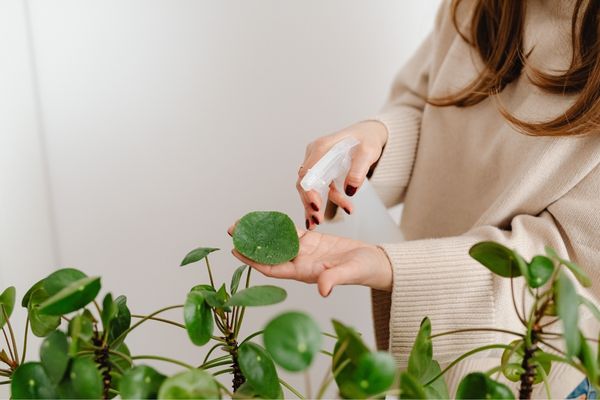
I used to think gardening followed the same routine all year long.
When I first started growing plants, I watered them the same way every month, fertilized whenever I remembered, and didn’t pay much attention to the changing seasons. Unsurprisingly, some of my plants thrived while others struggled.
Over time, I learned that every season brings different needs. Plants respond to changes in temperature, sunlight, and rainfall, and adjusting my care routine throughout the year has made a remarkable difference.
Here’s the seasonal approach I now follow to help my garden stay healthy all year long.
Why Seasonal Plant Care Matters
Plants naturally go through periods of growth, flowering, fruiting, dormancy, and recovery.
Trying to treat them the same way in every season often leads to problems like:
- Overwatering
- Poor flowering
- Weak growth
- Pest outbreaks
- Winter damage
Working with nature instead of against it makes gardening much easier—and far more enjoyable.
January: Plan for the Year Ahead
The beginning of the year is one of my favorite times to dream about the garden.
Even if outdoor work is limited, there’s plenty to do.
I like to:
- Sketch new garden layouts.
- Organize my gardening tools.
- Order seeds and bulbs.
- Review what worked well last year.
- Start planning seasonal planting schedules.
A little preparation now saves a lot of time later.
February: Prepare the Soil
Healthy gardens begin with healthy soil.
As temperatures slowly begin to change, I focus on improving the growing areas before major planting begins.
This is a great time to:
- Add compost.
- Mix in organic matter.
- Remove weeds.
- Check soil drainage.
- Test soil if needed.
Strong roots begin with nutrient-rich soil.
March: Wake Up the Garden
As plants begin emerging from dormancy, the garden starts feeling alive again.
I usually begin:
- Pruning damaged branches.
- Dividing overcrowded perennials.
- Planting cool-season vegetables.
- Fertilizing actively growing plants.
- Cleaning winter debris.
Everything suddenly feels full of possibility.
April: A Season of New Growth
Spring growth often becomes explosive.
This is when I spend more time outdoors because plants seem to change almost daily.
Tasks include:
- Planting annual flowers.
- Supporting climbing plants.
- Checking irrigation systems.
- Watching for early pests.
- Mulching garden beds.
Mulch quickly becomes one of my best allies by conserving moisture and suppressing weeds.
May: Encourage Strong Development
By May, many plants are growing rapidly.
Regular maintenance keeps everything healthy.
I make sure to:
- Water deeply rather than frequently.
- Feed flowering plants.
- Remove faded blooms.
- Inspect leaves for insects.
- Stake taller plants before they fall over.
I’ve learned it’s much easier to prevent problems than fix them later.
June: Keep Up With Summer Growth
Summer brings abundant growth—and more responsibilities.
Longer days often mean:
- Faster evaporation.
- Increased watering needs.
- More weeds.
- More insects.
- Rapid vegetable production.
Harvesting vegetables regularly encourages many crops to continue producing.
There’s nothing quite like picking fresh tomatoes or herbs straight from the garden.
July: Protect Plants From Heat
Hot weather can be stressful for many plants.
Whenever temperatures rise significantly, I focus on helping the garden conserve moisture.
Some simple strategies include:
- Watering early in the morning.
- Applying additional mulch.
- Monitoring container plants daily.
- Providing shade for delicate seedlings.
- Removing damaged foliage.
Plants appreciate consistency during heat waves.
August: Harvest and Maintain
Late summer often feels incredibly rewarding.
Many fruits, vegetables, and flowers reach their peak.
This month is usually filled with:
- Harvesting produce.
- Deadheading flowers.
- Light pruning.
- Continued watering.
- Planning autumn crops.
It’s satisfying to enjoy the results of months of care.
September: Welcome the Changing Season
As temperatures begin cooling, many plants receive a second burst of energy.
This is one of my favorite planting seasons.
Excellent choices include:
- Perennials.
- Shrubs.
- Trees.
- Cool-season vegetables.
- Spring-flowering bulbs in some climates.
The cooler weather helps new roots establish before winter.
October: Prepare for Cooler Days
October is all about preparing the garden for the months ahead.
I usually focus on:
- Cleaning garden beds.
- Removing diseased plants.
- Composting healthy leaves.
- Protecting sensitive plants.
- Planting bulbs for next spring.
It’s a productive month that sets the stage for future success.
November: Slow Everything Down
By late autumn, many outdoor plants begin entering dormancy.
I reduce maintenance and allow nature to slow its pace.
This is a good time to:
- Reduce fertilizing.
- Water less frequently.
- Store gardening equipment.
- Apply protective mulch.
- Observe which plants performed best.
Sometimes the garden teaches us simply by becoming quieter.
December: Reflect and Care for Indoor Plants
Outdoor gardening often becomes minimal during this time of year.
Instead, I shift my attention indoors.
Houseplants still need:
- Adequate light.
- Occasional watering.
- Proper humidity.
- Dust-free leaves.
- Regular observation.
December also gives me a chance to reflect on everything I learned throughout the gardening season.
Every Season Has Something to Teach
One lesson gardening has taught me is that no season is unimportant.
Even when the garden appears inactive, important things are happening beneath the soil.
Roots continue developing. Seeds prepare for germination. Soil organisms remain active.
Nature is constantly working, even when we can’t immediately see it.
Final Thoughts
Successful gardening isn’t about doing more—it’s about doing the right things at the right time. By adjusting your care routine to match the changing seasons, you’ll help your plants grow stronger, bloom more beautifully, and recover more easily from environmental stress.
The more I embraced the natural rhythm of the year, the less gardening felt like hard work and the more it became a rewarding partnership with nature. Every month brings its own tasks, challenges, and little victories, making the garden a place of continuous learning and quiet satisfaction.