
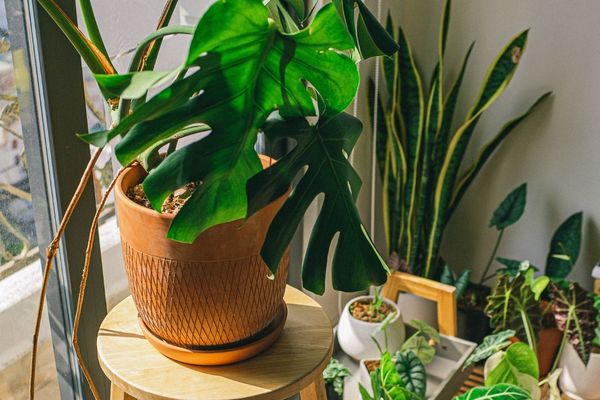
One of the biggest surprises in my gardening journey was discovering that not every plant needs a bright, sunny windowsill to flourish.
When I first started collecting houseplants, I assumed every corner of my home had to be flooded with sunlight. It didn’t take long to realize that many beautiful plants actually prefer shade or indirect light. That was a game changer because suddenly those darker rooms, hallways, and office spaces no longer felt off-limits.
If your home doesn’t receive abundant natural light, don’t worry. There are plenty of gorgeous plants that are perfectly happy in lower-light environments.
What Does “Low Light” Really Mean?
Low light doesn’t mean complete darkness.
Instead, it refers to areas that receive little natural sunlight or only indirect light for part of the day. Think of spaces that are:
- A few feet away from a window
- Facing north in the Northern Hemisphere
- Sheltered by nearby buildings or trees
- Lit mainly by filtered daylight
Many plants that naturally grow beneath forest canopies have evolved to thrive under these conditions.
Snake Plant: Almost Impossible to Kill
If someone asks me for a beginner-friendly plant, the snake plant is always one of my first recommendations.
Its upright leaves create a clean, modern look, and it tolerates neglect better than almost any other houseplant I’ve owned.
Snake plants can handle:
- Low light
- Irregular watering
- Dry indoor air
- Temperature fluctuations
Although they grow faster with brighter indirect light, they remain healthy even in dim corners.
ZZ Plant: Perfect for Busy People
The ZZ plant has become one of my favorite recommendations for anyone who forgets to water their plants.
Its glossy, dark green leaves brighten up almost any room, while its underground rhizomes store water, allowing it to survive extended dry periods.
It performs exceptionally well in offices, apartments, and rooms with limited sunlight.
In fact, too much direct sun can damage its leaves, making low-light conditions almost ideal.
Peace Lily: Elegant and Rewarding
I love how peaceful and graceful this plant looks.
The deep green foliage paired with creamy white blooms makes the peace lily feel sophisticated without being difficult to grow.
Besides its attractive appearance, it also gives you clear signals when it’s thirsty. Its leaves droop dramatically, and after watering, they perk back up surprisingly fast.
Peace lilies enjoy:
- Medium to low light
- Consistent moisture
- Warm indoor temperatures
- Moderate humidity
With proper care, they’ll reward you with beautiful flowers several times a year.
Pothos: The Reliable Favorite
If I had to choose only one trailing houseplant, pothos would probably win.
Its vines grow quickly, making shelves, bookcases, and hanging baskets look lush with very little effort.
Pothos adapts remarkably well to lower light, though its colorful variegation may become less pronounced in darker locations.
Even so, it continues growing happily where many other plants would struggle.
Chinese Evergreen: Color Without the Fuss
Chinese evergreens combine easy care with beautiful foliage.
Depending on the variety, their leaves display combinations of:
- Green
- Silver
- Cream
- Pink
- Red
Despite their colorful appearance, they’re surprisingly tolerant of low-light environments.
I appreciate how they add visual interest without demanding constant attention.
Spider Plant: Simple but Charming
Spider plants have been popular for decades, and it’s easy to understand why.
They adapt well to indoor life, produce long arching leaves, and regularly develop baby plants that can be propagated into new pots.
Although they appreciate bright indirect light, they continue performing well in moderately shaded spaces.
Watching the tiny plantlets grow has always been one of my favorite parts of owning them.
Ferns: Bringing the Forest Indoors
Whenever I want a room to feel fresh and relaxing, I think about ferns.
Their delicate foliage creates a soft, natural atmosphere that’s difficult to achieve with other plants.
Some excellent low-light choices include:
- Boston fern
- Bird’s nest fern
- Maidenhair fern (for experienced growers)
Ferns generally appreciate consistently moist soil and higher humidity, making them excellent choices for bathrooms or kitchens.
Cast Iron Plant: Tough as Its Name Suggests
The cast iron plant has certainly earned its reputation.
It tolerates conditions that would stress many other houseplants, including:
- Very little light
- Irregular watering
- Temperature changes
- Occasional neglect
Its broad, dark green leaves create a timeless appearance that fits almost any decorating style.
It’s one of those plants that quietly thrives without asking for much in return.
Caring for Plants in Low-Light Spaces
Although these plants tolerate less sunlight, they still need thoughtful care.
One of the biggest mistakes people make is watering them too frequently.
Since plants grow more slowly in lower light, they use water at a reduced rate.
To keep them healthy:
- Allow the soil to dry appropriately between waterings.
- Choose containers with good drainage.
- Wipe dust from the leaves regularly.
- Rotate pots every few weeks for even growth.
- Avoid placing plants in completely dark rooms.
Even low-light plants need some natural or artificial light to survive.
Choosing the Right Plant for Your Space
Different rooms call for different plants.
For offices or bedrooms, I usually recommend snake plants or ZZ plants because they’re incredibly forgiving.
Bathrooms often suit ferns and peace lilies thanks to the extra humidity.
Bookshelves, cabinets, and hanging baskets are wonderful places for pothos, while Chinese evergreens work beautifully as statement plants in living rooms.
Matching the plant to its environment often makes success much easier.
Final Thoughts
Having a home with limited sunlight doesn’t mean giving up on indoor gardening. Many incredible plants have naturally adapted to life beneath forest canopies, making them excellent companions for darker interiors. Whether you prefer bold architectural foliage, graceful flowers, or trailing vines, there’s a low-light plant that can fit your style and your schedule.
Once I stopped chasing the brightest window in the house, I discovered that some of my healthiest and happiest plants were growing in the quietest corners. With the right choices and a little patience, even the dimmest spaces can become vibrant, welcoming, and full of life.