
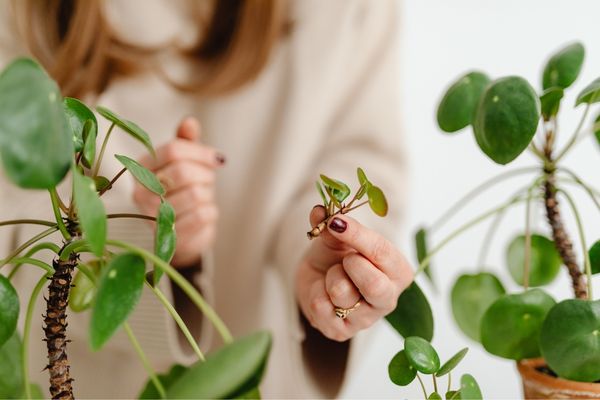
When I bought my very first houseplant, I quickly realized that everyone seemed to have advice.
“Water it every day.” “Put every plant in full sun.” “Talk to your plants—they’ll grow faster.”
The more people I asked, the more confusing it became. Some tips completely contradicted others, and I wasn’t sure who to believe.
After spending years caring for dozens of plants—and making plenty of mistakes along the way—I discovered that many popular gardening “rules” are actually myths.
Separating fact from fiction completely changed the way I care for my plants, and it made gardening much less stressful.
Myth #1: More Water Means Healthier Plants
This was probably the first mistake I ever made. I believed watering often was the same as showing love.
Unfortunately, many plants don’t see it that way. Too much water keeps roots constantly wet, preventing them from getting the oxygen they need. Eventually, this can lead to root rot, one of the most common reasons houseplants die.
Instead of following a fixed watering schedule, I now check the soil first.
Every plant, season, and room is different.
The Truth
Healthy plants need the right amount of water—not the most water.
Learning to observe the soil has been far more effective than following any calendar.
Myth #2: Every Plant Loves Direct Sunlight
For a long time, I assumed that sunshine solved every gardening problem.
Then I accidentally scorched one of my favorite tropical plants by placing it in direct afternoon sun.
That was an unforgettable lesson.
While cacti and many succulents thrive in bright sunlight, countless houseplants naturally grow beneath forest canopies where they receive filtered light instead.
The Truth
Every species has different lighting needs.
Some enjoy full sun.
Others prefer bright, indirect light.
And many are perfectly happy in lower-light areas of the home.
Myth #3: Yellow Leaves Always Mean Overwatering
Whenever I spotted a yellow leaf, I immediately blamed myself for watering too much.
Sometimes I was right.
Other times, I wasn’t even close.
Yellow leaves can appear for many different reasons, including:
- Underwatering
- Nutrient deficiencies
- Temperature stress
- Natural aging
- Poor drainage
- Sudden environmental changes
One yellow leaf rarely tells the whole story.
The Truth
Always look at the plant as a whole before making changes.
The soil, roots, lighting, and overall growth usually reveal much more than a single leaf.
Myth #4: Fertilizer Should Be Used Constantly
At one point, I assumed fertilizer worked like vitamins.
More nutrients had to mean faster growth…right?
Not exactly.
Too much fertilizer can actually burn roots, damage leaves, and create unhealthy growth.
The Truth
Most houseplants only need fertilizer during their active growing season.
Using a diluted fertilizer every few weeks is often far better than feeding too frequently.
Myth #5: Misting Is the Best Way to Increase Humidity
I used to walk around the house spraying my tropical plants every morning.
It certainly looked satisfying.
Unfortunately, the extra humidity disappeared within minutes.
The Truth
While misting isn’t harmful in moderation, it rarely increases humidity for very long.
If humidity is genuinely low, better solutions include:
- Using a humidifier
- Grouping plants together
- Placing pots on pebble trays with water
These methods create a much more stable environment.
Myth #6: Talking to Plants Makes Them Grow Faster
This is probably my favorite gardening myth.
Do I talk to my plants?
Absolutely.
Do they grow because they hear my voice?
Probably not.
However, something interesting happens when I spend time chatting with them.
I naturally notice small changes sooner.
I see new leaves.
I catch pests earlier.
I remember to rotate the pots.
The Truth
Plants don’t grow faster because of conversation.
They grow better because attentive owners spend more time observing them.
Myth #7: Bigger Pots Are Always Better
I once repotted a tiny plant into a huge decorative container because I thought it would “give it room to grow.”
Instead, the soil stayed wet for far too long.
The roots struggled, and the plant actually declined.
The Truth
Plants generally prefer pots only slightly larger than their root system.
Moving up gradually encourages healthier root development and reduces the risk of overwatering.
Myth #8: Dropping Leaves Means the Plant Is Dying
Few things make new plant owners panic faster than seeing leaves fall.
I’ve certainly been there.
The good news is that leaf loss is often perfectly normal.
Plants naturally shed older leaves as they grow.
Seasonal changes can also trigger temporary leaf drop.
The Truth
Occasional leaf loss isn’t usually a reason to panic.
It’s persistent decline, widespread damage, or the absence of new growth that deserves closer attention.
Myth #9: Indoor Plants Never Get Pests
This one fooled me for years.
I assumed pests only belonged outdoors.
Then I discovered spider mites on one of my favorite houseplants.
Indoor plants can attract:
- Mealybugs
- Spider mites
- Fungus gnats
- Aphids
- Scale insects
Regular inspections make a huge difference.
Myth #10: Gardening Has Strict Rules
Perhaps the biggest myth of all is believing there’s only one correct way to care for plants.
Gardening isn’t about memorizing perfect instructions.
It’s about learning to observe.
Every home has different temperatures.
Different humidity.
Different lighting.
Different routines.
What works beautifully in one house might not work in another.
The Best Gardening Advice I Ever Received
If there’s one lesson my plants have taught me, it’s to stay curious instead of chasing perfection.
Every mistake has helped me understand my plants a little better, and every success has come from paying attention rather than blindly following advice. Gardening isn’t about memorizing endless rules—it’s about building a relationship with living things that constantly respond to their environment. The more I observe, experiment, and learn, the more confident I become. In the end, the healthiest plants usually grow in homes where patience, curiosity, and consistent care matter far more than any gardening myth ever could.