
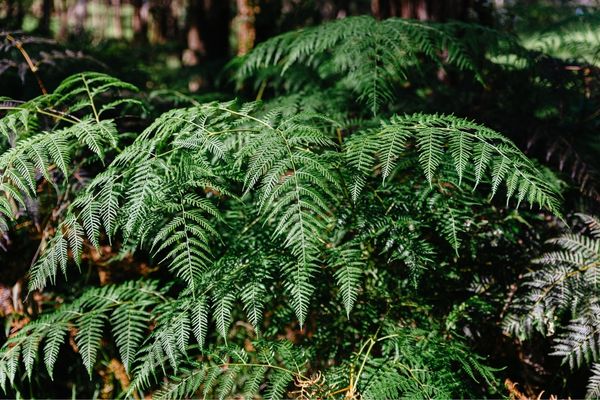
The first fern I ever brought home looked incredible for about two weeks.
Its lush green fronds made my living room feel like a tiny tropical escape, and I couldn’t stop admiring it. Then, almost overnight, the tips started turning brown, the leaves became dry, and I was convinced I had somehow picked the only fern I couldn’t keep alive.
It wasn’t until I learned where ferns naturally grow that everything started to make sense. Once I recreated those conditions instead of treating it like every other houseplant, it completely changed. Today, my ferns are some of the most rewarding plants I own.
If you’ve struggled with ferns before, don’t worry. They aren’t difficult—they’re simply asking for a forest instead of a desert.
Understanding Where Ferns Come From
Most ferns naturally grow beneath the canopy of forests, where sunlight is soft, the air is humid, and the soil stays consistently moist.
When I realized this, I stopped wondering why mine disliked sitting beside a bright, sunny window.
Instead, I started thinking about how I could recreate a little piece of that woodland environment inside my home.
That small change in perspective made all the difference.
Bright Light Without Direct Sun
One mistake I made early on was assuming every houseplant wanted as much sunlight as possible.
Ferns proved me wrong.
They thrive in bright, indirect light where the sun never shines directly on their delicate fronds for long periods.
Mine does especially well near an east-facing window where it enjoys gentle morning light before spending the rest of the day in filtered brightness.
Too much direct sunlight quickly causes crispy edges and faded foliage.
Keep the Soil Consistently Moist
Unlike succulents, ferns don’t appreciate drying out completely.
I check the soil every few days and water whenever the top layer begins to feel only slightly dry.
The goal isn’t soaking wet soil—it’s consistent moisture.
I’ve learned that letting the pot dry out entirely almost always leads to drooping fronds and brown edges.
On the other hand, leaving the roots sitting in water creates problems just as quickly.
Balance is everything.
Choose Soil That Holds Moisture Without Becoming Heavy
Healthy fern roots need moisture and oxygen at the same time.
I use a rich potting mix that contains organic material like compost or peat moss while still draining well.
This combination keeps moisture available for the roots without turning the pot into a swamp.
A container with drainage holes is absolutely essential.
No matter how much a fern enjoys moisture, stagnant water eventually causes root problems.
Humidity Is Often the Missing Ingredient
If I had to name the biggest secret to healthy indoor ferns, it would be humidity.
The moment I increased the humidity around mine, the brown leaf tips almost disappeared.
Some easy ways I maintain humidity include:
- Running a humidifier nearby
- Grouping several plants together
- Using a pebble tray filled with water
- Keeping certain ferns in naturally humid rooms like the bathroom
Occasional misting feels refreshing, but it isn’t enough to replace consistently humid air.
Keep Temperatures Comfortable
Ferns prefer steady temperatures between 16°C and 24°C (60°F–75°F).
They don’t enjoy sudden temperature swings, cold drafts, or hot air blowing directly from heating vents.
I try to place mine where the temperature stays fairly stable throughout the day.
It’s surprising how much happier they become once they’re protected from sudden environmental changes.
Feed Them Gently
Ferns don’t need frequent fertilizing.
During spring and summer, I give mine a diluted balanced fertilizer every month or so.
More fertilizer doesn’t produce faster growth—it usually causes burnt roots and damaged fronds.
Once cooler weather arrives and growth naturally slows, I stop feeding until spring returns.
Simple Pruning Keeps Ferns Looking Fresh
One habit that has made a noticeable difference is removing damaged fronds as soon as I see them.
Whenever I notice leaves that are:
- Brown
- Yellow
- Broken
- Completely dry
I trim them near the base using clean scissors.
This keeps the plant looking tidy while allowing it to focus its energy on producing healthy new growth.
Cleaning the Leaves
Indoor ferns slowly collect dust, which can reduce their ability to photosynthesize efficiently.
Every few weeks I gently rinse mine in the shower using lukewarm water.
Not only does this clean the foliage, but it also gives the plant a humidity boost that it absolutely loves.
It’s become one of my favorite parts of fern care.
Common Problems and Their Causes
Most fern problems are surprisingly easy to diagnose.
Brown leaf tips usually point to:
- Dry air
- Inconsistent watering
Yellow fronds often suggest:
- Too much water
- Poor drainage
Spider mites sometimes appear when indoor air becomes especially dry, which is another reason maintaining humidity is so important.
Why Ferns Have Become Some of My Favorite Plants
Ferns taught me that successful plant care isn’t always about buying expensive fertilizers or complicated equipment.
Sometimes it’s simply about understanding where a plant comes from and respecting the conditions it naturally prefers.
Once I stopped trying to force my fern to behave like a succulent and instead gave it the moisture, humidity, and gentle light it was asking for, everything changed.
Now those graceful green fronds have become one of the calmest, most beautiful parts of my indoor garden—and every new unfurling leaf reminds me that a little patience and the right environment can completely transform a plant.