
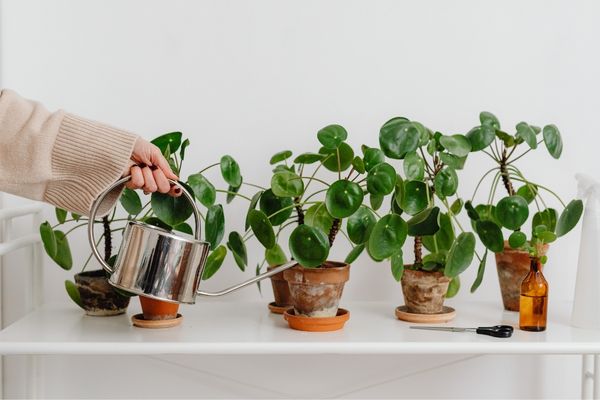
One of the biggest surprises I had as a plant owner was discovering that watering isn’t about following a calendar.
When I first started growing houseplants, I believed every plant should be watered once a week. It sounded simple enough—until I realized some plants stayed soggy while others dried out much sooner. I quickly learned that healthy watering has far more to do with observation than routine.
Once I began paying attention to the soil, the weather, and the individual needs of each plant, my indoor garden became healthier than ever. If you’ve ever wondered how often you should water your plants, here’s what experience has taught me.
Why Watering Matters More Than You Think
Water does much more than keep plants alive.
It helps transport nutrients through the roots, supports photosynthesis, and keeps leaves and stems firm and healthy.
Too little water causes stress and dehydration, while too much water can suffocate roots by preventing them from getting the oxygen they need.
Finding the right balance is one of the most valuable gardening skills you can develop.
There Isn’t One Perfect Watering Schedule
This was probably the hardest lesson for me to accept.
I wanted a simple answer like, “Water every Saturday.”
Plants don’t work that way.
A fern growing in a humid bathroom has completely different needs from a snake plant sitting in a sunny office. Even the same plant may require more or less water depending on the season.
Instead of following a strict timetable, I now let the plant decide when it’s thirsty.
What Affects How Often You Should Water?
Several factors influence how quickly soil dries and how much moisture a plant needs.
Some of the most important include:
- The type of plant
- Pot size
- Pot material
- Soil composition
- Amount of sunlight
- Indoor temperature
- Humidity levels
Once I started considering all these factors together, watering became much less confusing.
Learn to Check the Soil
The best gardening tool I own isn’t expensive.
It’s my finger.
I simply insert it a couple of inches into the soil.
If it still feels damp, I wait.
If it’s dry, I water thoroughly.
Over time, this simple habit has saved me from countless watering mistakes.
The Weight Test Works Too
Another trick I’ve learned is lifting the pot.
Freshly watered containers feel noticeably heavier than dry ones.
After caring for the same plants for a while, you begin recognizing the difference almost instinctively.
It sounds simple, but it’s surprisingly accurate.
Watch What Your Plants Are Telling You
Plants communicate in subtle ways.
Sometimes drooping leaves mean they’re thirsty.
Other times they indicate the exact opposite.
That’s why I never rely on appearance alone.
Whenever I notice leaves looking tired, I always check the soil before reaching for the watering can.
It has saved me from making the wrong decision more than once.
Signs You’re Watering Too Much
Overwatering is probably the most common mistake among beginners.
Watch for signs like:
- Yellow leaves
- Mushy stems
- Mold growing on the soil
- A sour smell coming from the pot
These usually indicate the roots have been sitting in excessive moisture for too long.
Signs Your Plant Needs More Water
Underwatered plants tend to look different.
Common symptoms include:
- Dry leaf edges
- Crispy foliage
- Soil pulling away from the sides of the pot
- Slower growth
Fortunately, most plants recover quickly once they’re watered properly.
Watering Changes Throughout the Year
One thing I didn’t expect was how dramatically the seasons affect watering.
During spring and summer, when plants are actively growing, I find myself watering much more often.
Once autumn and winter arrive, many of them slow down and use far less moisture.
Rather than sticking to the same routine year-round, I simply pay closer attention to how quickly the soil dries.
Water Deeply Instead of Frequently
I used to give my plants small amounts of water every few days.
Now I do the opposite.
When it’s time to water, I soak the soil thoroughly until water drains from the bottom of the pot.
Then I allow the soil to begin drying before watering again.
This encourages stronger, deeper root systems instead of shallow surface roots.
Don’t Forget to Empty the Saucer
One habit that made a noticeable difference was emptying excess water after watering.
Leaving the pot sitting in water for long periods keeps the roots constantly wet and increases the risk of root rot. It only takes a minute, but it protects the plant tremendously.
Build a Routine Around Observation
These days I don’t ask myself, “Did I water this plant on Tuesday?”
Instead, I ask:
“Does this plant actually need water today?”
That small change in mindset completely transformed my gardening routine. By checking the soil, watching the seasons, and understanding each plant’s unique needs, watering becomes much less stressful and much more successful.
In my experience, healthy plants aren’t created by rigid schedules—they’re created by paying attention.