
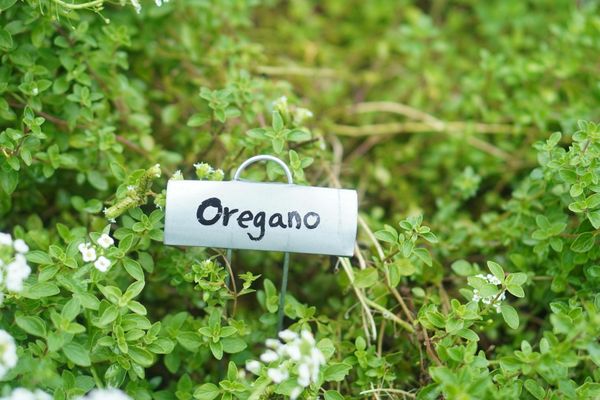
When I planted my very first herbs, I honestly thought they were all pretty much the same.
I bought a few pots of basil, mint, and rosemary, lined them up on my kitchen windowsill, and expected them to thrive with identical care. It didn’t take long to discover that every herb has its own personality. Some loved soaking up the sun all day, while others preferred a little afternoon shade. A few grew so enthusiastically that they practically took over their containers.
That little experiment became the beginning of one of my favorite gardening projects. Today, having a small herbal garden means I always have fresh ingredients for cooking, soothing teas, and wonderfully fragrant plants just a few steps away.
If you’ve ever wanted to grow your own herbs, here’s everything I’ve learned along the way.
Why Start an Herbal Garden?
One of the things I love most about herbs is how practical they are.
Unlike many ornamental plants, herbs become part of everyday life. I harvest them for recipes, brew fresh herbal teas, and sometimes simply brush my hand across the leaves to enjoy their incredible fragrance.
Growing herbs at home also offers several benefits:
- Fresh ingredients whenever you need them
- Better flavor than many store-bought herbs
- Lower grocery costs
- Greater control over pesticides and chemicals
- A rewarding introduction to gardening
Even a tiny collection of herbs can completely change the way you cook and enjoy your home.
Choose a Sunny Spot
If there’s one thing most herbs agree on, it’s sunshine.
I’ve found that the majority of culinary herbs perform best with at least six hours of direct sunlight each day.
Some of my favorite places to grow herbs include:
- A sunny kitchen windowsill
- A balcony
- Raised garden beds
- Patio containers
- Window boxes
If natural light is limited indoors, a quality grow light can make a huge difference.
Start With Easy Herbs
When I was just beginning, I resisted the temptation to grow dozens of varieties at once.
Instead, I started with a handful of reliable herbs that are both forgiving and useful.
Some excellent beginner choices include:
- Basil
- Mint
- Rosemary
- Thyme
- Parsley
- Chives
- Oregano
- Cilantro
Each one taught me something different about plant care without feeling overwhelming.
Understand Annuals and Perennials
One lesson I wish I’d learned sooner is the difference between annual and perennial herbs.
Annual herbs complete their life cycle within a single growing season.
Examples include:
- Basil
- Cilantro
- Dill
Perennial herbs return year after year with proper care.
Some favorites are:
- Rosemary
- Thyme
- Sage
- Oregano
- Chives
Knowing which herbs come back each season helps you plan your garden much more effectively.
Use Well-Draining Soil
Healthy herbs begin with healthy roots.
Most herbs dislike heavy, soggy soil, so I always use a loose, well-draining potting mix enriched with compost.
If I’m growing herbs in containers, I make sure every pot has drainage holes.
That simple step has prevented countless watering problems over the years.
Water Carefully
One mistake I made early on was assuming herbs always wanted plenty of water.
Now I know better.
I check the soil before watering instead of following a strict schedule.
Most herbs appreciate moist soil, but very few enjoy constantly wet roots.
Mediterranean herbs like rosemary and thyme actually prefer drying out slightly between waterings, while basil enjoys more consistent moisture.
Paying attention to each herb’s natural preferences made a noticeable difference in my garden.
Harvest Often
Harvesting used to make me nervous.
I worried I’d remove too many leaves and damage the plant.
Ironically, regular harvesting actually encourages many herbs to become fuller and bushier.
I usually:
- Snip stems just above a leaf node.
- Remove no more than one-third of the plant at a time.
- Harvest frequently during active growth.
The more I harvest, the more many of my herbs seem determined to produce.
Feed Herbs Lightly
Unlike heavy-feeding vegetables, herbs don’t usually need large amounts of fertilizer.
Too much feeding often produces lots of soft green growth—but weaker flavor.
I usually add compost when planting and occasionally use a diluted organic fertilizer during the growing season.
Keeping fertilization simple has resulted in healthier, more flavorful herbs.
Growing Herbs Indoors
One of my favorite discoveries is how well many herbs adapt to indoor life.
A bright window is often all they need.
To keep indoor herbs healthy, I make sure they receive:
- Plenty of sunlight
- Good air circulation
- Occasional rotation so all sides receive equal light
- Careful watering
Fresh herbs within arm’s reach while cooking has become one of my favorite little luxuries.
Prevent Common Problems
Fortunately, herbs are generally quite resilient.
Still, I inspect mine regularly for signs of trouble.
The most common issues I’ve encountered include:
- Aphids
- Spider mites
- Yellow leaves from overwatering
- Weak growth caused by insufficient light
Catching problems early almost always makes them much easier to solve.
Preserve Your Harvest
During the growing season, herbs often produce more than I can use immediately.
Instead of letting them go to waste, I preserve them in several ways.
My favorites include:
- Air drying
- Freezing chopped herbs
- Making herb-infused oils
- Preparing flavored vinegars
Opening a jar of homegrown dried herbs in the middle of winter always reminds me of summer.
Why My Herbal Garden Is One of My Favorite Projects
Growing herbs completely changed the way I think about gardening.
They’re beautiful, practical, fragrant, and surprisingly easy to grow. Every harvest feels useful, whether I’m adding fresh basil to dinner, brewing peppermint tea, or clipping rosemary for roasted vegetables.
The best part is that you don’t need a large backyard to enjoy them.
A few healthy pots, plenty of sunshine, and a little regular care are all it takes to create a thriving herbal garden that rewards you almost every single day.