
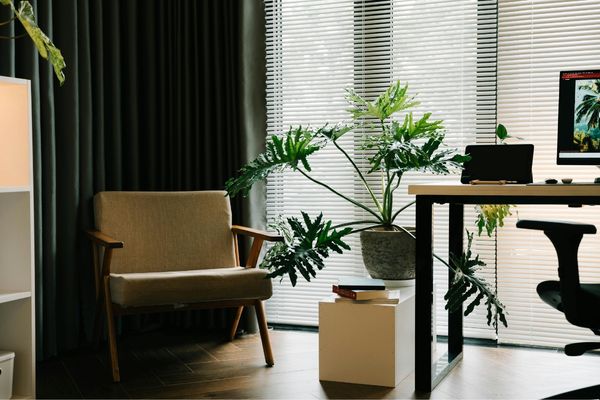
One of the things that kept me motivated when I first started growing houseplants was seeing progress.
I loved waking up and spotting a brand-new leaf or noticing that a vine had grown several inches almost overnight. Those little signs of growth made me feel like I was actually doing something right.
Of course, not every plant grows at the same pace.
Some seem to stay exactly the same for months, while others reward you with constant new leaves and longer stems. If you’re someone who enjoys seeing quick results, choosing fast-growing indoor plants can make gardening even more enjoyable.
These plants don’t just grow quickly—they also help create a lush, vibrant home in a surprisingly short amount of time.
Why Do Some Houseplants Grow Faster?
One of the first things I learned is that growth speed depends on much more than luck.
Several factors influence how quickly a plant develops, including:
- The plant’s natural genetics
- Light levels
- Temperature
- Humidity
- Watering habits
- Nutrient availability
Many fast-growing houseplants originally evolved in warm, tropical forests where sunlight, rainfall, and humidity encouraged rapid development.
When we recreate those conditions indoors, they often respond with impressive growth.
Pothos: My Favorite Beginner Plant
If I had to recommend just one fast-growing indoor plant, it would probably be pothos.
It’s incredibly forgiving.
Even when I made beginner mistakes, my pothos kept growing.
Its long trailing vines and heart-shaped leaves can quickly transform shelves, bookcases, and hanging baskets into beautiful displays of greenery.
Under bright, indirect light, new leaves seem to appear constantly.
One of the best parts is how easily it propagates.
Simply place a cutting in water, and before long you’ll have an entirely new plant.
Spider Plants Never Stop Surprising Me
Spider plants have a personality all their own.
Besides producing graceful arching leaves, they create dozens of little baby plants hanging from long stems.
The first time mine produced tiny plantlets, I was thrilled.
Each baby could become a brand-new plant.
They’re perfect for:
- Beginners
- Families
- Offices
- Hanging baskets
- Bright indoor spaces
Watching a spider plant multiply almost feels like receiving free plants every few months.
Philodendrons Grow With Incredible Energy
Another favorite in my collection is the heartleaf philodendron.
Its vines grow quickly, filling empty corners with rich green foliage.
They’re also wonderfully adaptable.
As long as they receive enough bright, indirect light and consistent watering, they continue producing fresh leaves throughout much of the year.
I love training the vines along shelves or allowing them to cascade naturally from hanging planters.
Monstera: Worth the Wait
Monsteras often begin a little slower than some trailing plants.
But once they settle into their environment, they really take off.
Each new leaf becomes larger than the last, eventually developing the dramatic splits and holes that make the plant so iconic.
Seeing those mature leaves appear feels incredibly rewarding.
Given enough space and light, a monstera can become the centerpiece of an entire room.
Herbs Grow Faster Than Many People Expect
Not all fast-growing indoor plants are ornamental.
Some of the quickest growers are edible herbs.
My favorites include:
- Basil
- Mint
- Cilantro
- Parsley
Fresh herbs growing in the kitchen bring beauty and practicality together.
Regular harvesting actually encourages many herbs to become fuller and bushier, giving you even more to enjoy.
Tradescantia Adds Instant Color
If you’re looking for something colorful as well as fast-growing, Tradescantia is hard to beat.
Its vibrant leaves display beautiful combinations of:
- Purple
- Silver
- Green
- Pink
The stems grow rapidly and root with remarkable ease.
Whenever mine becomes too long, I simply trim a few cuttings and start new plants.
Within weeks, they’re already producing fresh growth.
Fast Growth Comes With Responsibility
As exciting as rapid growth can be, these plants usually ask for a little more attention.
Because they’re growing so actively, they often need:
- More frequent watering
- Regular fertilizing during the growing season
- Occasional pruning
- Repotting as they mature
The good news is that these tasks become enjoyable once you start seeing how quickly the plants respond.
Give Them Plenty of Light
I’ve noticed that nearly every fast-growing houseplant slows down dramatically when it doesn’t receive enough light.
Instead of producing full, healthy leaves, the stems become long and stretched.
Bright, indirect sunlight is usually the sweet spot for most of these plants.
If your home doesn’t receive much natural light, a quality grow light can make an enormous difference.
Don’t Be Afraid to Prune
At first, pruning made me nervous.
I worried I’d damage my plants.
Instead, I discovered that many fast-growing species actually become healthier after trimming.
Pruning encourages fuller growth, keeps vines manageable, and gives you cuttings that can be propagated into entirely new plants.
It’s one of the easiest ways to multiply your indoor garden.
Watching Your Home Come to Life
One of my favorite things about fast-growing plants is how quickly they transform a space.
An empty shelf becomes lush.
A plain corner suddenly feels alive.
A small cutting grows into a beautiful trailing display before you even realize how much time has passed.
Those visible changes keep me excited about gardening every single week. Fast-growing plants remind me that patience doesn’t always mean waiting for years to enjoy the results. With the right care, light, and attention, they reward every small effort with fresh leaves, longer vines, and vibrant new growth. Every time I notice another leaf unfurling, I’m reminded why I fell in love with gardening in the first place—it constantly shows that even the smallest acts of care can lead to beautiful transformations.