
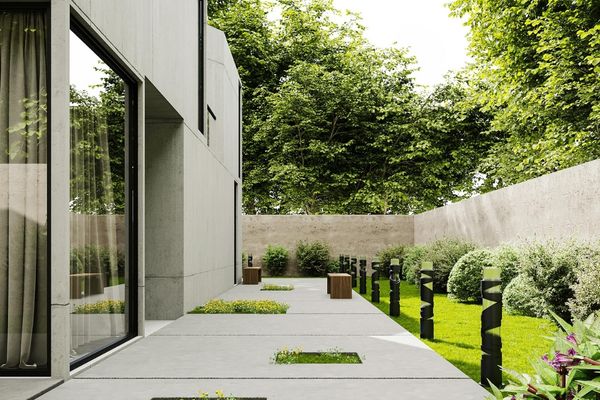
When I first became interested in landscaping, I assumed creating a modern-looking garden meant spending a fortune on expensive materials and exotic plants. Every magazine I opened seemed to feature perfectly designed outdoor spaces that looked far beyond my abilities.
Then I started paying closer attention to the plants themselves. I realized that modern landscapes aren’t about filling every corner with flowers. Instead, they’re built around strong shapes, interesting textures, and carefully chosen plants that look beautiful without demanding constant attention.
That completely changed the way I approached my own garden.
What Defines a Modern Landscape?
One thing I love about modern landscaping is its simplicity.
Rather than feeling crowded, modern gardens are designed to let every plant stand out. Clean lines, open spaces, and thoughtful repetition create a calm environment that feels organized without looking sterile.
Many of the plants used in contemporary landscapes stay attractive throughout the year, offering beautiful foliage, interesting structure, or graceful movement instead of relying only on colorful blooms.
The result is a garden that’s elegant, practical, and surprisingly relaxing to spend time in.
Ornamental Grasses
Ornamental grasses completely changed my opinion about what makes a garden beautiful.
At first, I wondered why anyone would intentionally plant grass that wasn’t part of a lawn. Then I saw how these graceful plants moved with every breeze, adding life and softness around stone pathways and modern patios.
Some of my favorites include fountain grass, feather reed grass, and blue fescue. Their gentle movement creates a peaceful atmosphere while their clean shapes blend perfectly with contemporary designs.
They’re also refreshingly low-maintenance, which is always a bonus.
Boxwood
If there’s one plant that instantly creates a polished appearance, it’s boxwood.
Its dense evergreen foliage makes it perfect for neat hedges, borders, and geometric shapes that define different areas of the garden.I love how boxwood provides structure even during seasons when other plants become less colorful. With occasional pruning, it keeps its tidy appearance year after year.
Whether used as a formal hedge or simple accent, it always seems to bring balance to the landscape.
Agaves and Other Succulents
The first time I added succulents to my garden, I was surprised by how dramatic they looked.
Agaves, aloe, echeverias, and sedums don’t rely on flowers to attract attention. Instead, their bold shapes become natural sculptures that instantly create visual interest. They’re especially useful if you live somewhere with hot summers because they thrive with very little water once established.
I appreciate any plant that combines striking beauty with easy care, and succulents certainly do both.
Japanese Maple
Japanese maples have a way of making a garden feel elegant without trying too hard.
Their finely divided leaves create beautiful texture, while varieties with deep red or purple foliage provide stunning contrast against green shrubs and neutral hardscaping.
I especially enjoy watching them change throughout the seasons. Every few months, they seem to reveal an entirely different personality.
Even in smaller gardens, a single Japanese maple can become the focal point of the entire landscape.
Bamboo
Few plants create privacy as quickly and beautifully as bamboo.
I love the clean vertical lines it brings to modern gardens, especially when planted near fences or outdoor seating areas.
If you’re considering bamboo, choosing a clumping variety makes life much easier. Unlike running bamboo, clumping types stay well behaved and won’t unexpectedly spread throughout the yard.
The gentle rustling sound the leaves make on windy days is one of my favorite parts.
Lavender
Lavender has earned a permanent place in my garden.
Its soft purple flowers pair beautifully with modern architecture, while its soothing fragrance makes every walk through the garden a little more enjoyable.
Once established, lavender needs surprisingly little attention. As long as it receives plenty of sunshine and well-drained soil, it usually rewards me with healthy growth year after year.
I often plant it along walkways where brushing past the flowers releases its wonderful scent.
Palm Trees
Palm trees instantly create a relaxed yet sophisticated atmosphere.
Even one palm can completely change the character of an outdoor space, giving it a tropical, resort-like feeling without making the design appear cluttered.
Depending on your climate, options like areca palms, kentia palms, or date palms can work beautifully in contemporary gardens.
Their tall trunks naturally draw the eye upward, adding height while preserving an open, airy feel.
Evergreen Shrubs
One lesson I’ve learned is that every garden benefits from dependable plants that look good all year.
Evergreen shrubs such as junipers, pittosporums, and photinias provide consistent structure through every season.
I like using them to frame entrances, define pathways, or create privacy without sacrificing the clean appearance that modern landscaping is known for.
They serve as the steady foundation while seasonal plants provide changing accents.
Designing With Sustainability in Mind
One aspect of modern landscaping I appreciate more each year is its focus on sustainability.
Choosing drought-tolerant plants, incorporating native species, and reducing unnecessary maintenance not only saves time but also helps conserve water and supports local ecosystems.
I’ve gradually replaced several high-maintenance plants with varieties that naturally thrive in my climate, and honestly, my garden has never looked better.
Sometimes working with nature instead of against it produces the most beautiful results.
Final Thoughts
Modern landscaping isn’t about creating a garden that feels cold or overly designed. It’s about selecting plants that work together to create harmony, texture, and lasting beauty with minimal effort.
Whether you choose graceful ornamental grasses, sculptural succulents, elegant Japanese maples, fragrant lavender, or dependable evergreen shrubs, each plant adds its own personality while contributing to a clean and timeless design.
I’ve found that the most beautiful modern gardens aren’t necessarily the most complicated—they’re simply the ones where every plant has a purpose and every space feels intentional.