
I used to believe that gardening in a hot climate meant constantly battling the weather.
Every summer seemed to bring the same problems. Leaves wilted before lunchtime, flowers faded quickly, and I spent far too much time dragging a watering can around the yard. I assumed the solution was simply to water more, but eventually I realized the real secret was choosing the right plants.
Once I started growing species that naturally thrive in heat, gardening became much easier. Instead of struggling to keep plants alive, I began enjoying a vibrant garden that stayed beautiful even during the hottest weeks of the year.
Understanding Hot Climate Gardening
Gardening in a warm climate isn’t just about dealing with high temperatures.
Many hot regions also experience:
- Intense sunlight
- Long, dry summers
- Limited rainfall
- Fast soil evaporation
- Heat reflected from buildings and pavement
Plants that flourish in these conditions usually have natural adaptations that help them conserve water and tolerate prolonged sun exposure.
Choosing those plants is often the biggest step toward a successful garden.
Why Plant Selection Matters
Early in my gardening journey, I bought plants simply because they looked attractive at the garden center.
Unfortunately, many of them weren’t suited to my climate.
Now I always look for plants that are naturally adapted to warm environments because they usually require:
- Less watering
- Less maintenance
- Fewer fertilizers
- Greater drought tolerance
- Better long-term performance
Instead of fighting nature, I let nature guide my choices.
Succulents Are True Heat Champions
Succulents completely changed the way I garden.
At first I assumed they were boring because they didn’t produce large flowers, but I quickly fell in love with their incredible variety of shapes, textures, and colors.
Some of my favorites include:
- Aloe vera
- Agave
- Echeveria
- Jade plant
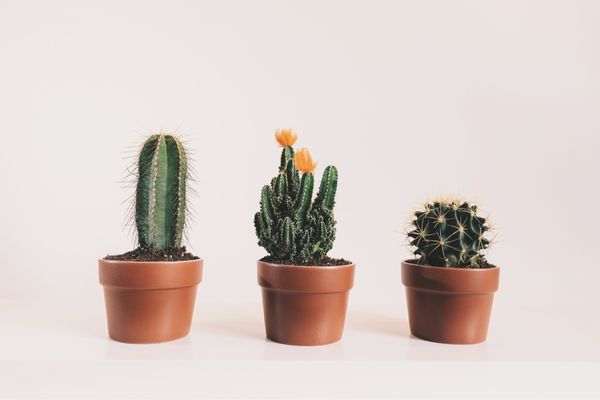
- Various cacti
These plants store water in their leaves or stems, making them exceptionally well suited to long periods of heat.
Best of all, they ask for very little attention.
Cacti Add Character to the Garden
I’ve also become a huge fan of cacti.
Their sculptural forms create interesting focal points, especially in rock gardens and decorative containers.
Many cacti thrive with:
- Full sun
- Excellent drainage
- Occasional watering
- Minimal fertilizing
For busy gardeners, they’re wonderfully forgiving.
Bright Flowers That Love the Sun
A hot garden doesn’t have to be filled only with green foliage.
Many flowering plants actually perform their best under bright sunshine.
Some reliable favorites include:
- Bougainvillea
- Hibiscus
- Lantana
These plants produce vibrant blooms while tolerating conditions that would quickly overwhelm more delicate flowers.
Watching butterflies visit my lantana every summer has become one of my favorite gardening moments.
Trees Create Natural Cooling
One lesson I wish I’d learned sooner is the value of planting trees.
Even one well-placed tree can dramatically improve the comfort of an outdoor space.
Heat-tolerant trees can provide:
- Shade
- Cooler garden temperatures
- Wildlife habitat
- Wind protection
- Long-term beauty
Olive trees, palms, and acacias are excellent examples of species that perform well in warm climates.
Their shade also helps nearby plants stay healthier during intense heat.
Herbs Thrive in Warm Weather
Some of the easiest plants in my garden are herbs.
Many culinary herbs originally come from warm Mediterranean regions, so they naturally enjoy hot, sunny conditions.
My favorites include:
- Rosemary
- Thyme
- Oregano
- Sage
- Basil
Not only do they survive summer beautifully, but they also provide fresh ingredients for cooking throughout the season.
Perennials That Keep Coming Back
I love planting perennials because they reward patience.
After surviving one hot summer, many return stronger the following year.
Some dependable heat-loving perennials include:
- Lavender
- Coneflower
- Blanket flower
- Daylilies
These plants bring reliable color without requiring constant replacement.
They’ve become the backbone of several areas in my garden.
Simple Care Makes a Big Difference
Even plants that tolerate heat still appreciate thoughtful care.
I’ve found a few simple habits make an enormous difference:
- Water deeply instead of frequently.
- Water early in the morning whenever possible.
- Apply organic mulch to retain moisture.
- Improve soil with compost.
- Group plants with similar water needs together.
These small adjustments have reduced both my workload and my water usage.
Mulch Became My Best Gardening Tool
If I could recommend only one technique for hot-climate gardening, it would be mulching.
A generous layer of mulch helps:
- Keep roots cooler
- Reduce evaporation
- Suppress weeds
- Improve soil as it decomposes
Before I started using mulch regularly, I couldn’t believe how quickly my soil dried out.
Now the difference is obvious after every hot afternoon.
Gardening Smarter Instead of Harder
One thing gardening has taught me is that success doesn’t come from working harder.
It comes from understanding what plants naturally want.
When I stopped trying to grow species that struggled in the heat and started choosing plants adapted to my environment, everything became easier.
The garden required less maintenance, used less water, and looked healthier than ever before.
Why I Love My Hot-Climate Garden
Hot weather no longer feels like an obstacle.
Instead, it’s simply another part of the environment my garden has learned to embrace. With resilient succulents, colorful flowering shrubs, fragrant herbs, dependable perennials, and shade-providing trees, I’ve discovered that a warm climate offers countless gardening opportunities.
Choosing plants that naturally belong in sunny, hot conditions has made my garden stronger, more sustainable, and far more enjoyable. Sometimes the secret isn’t changing the weather—it’s choosing plants that already know how to thrive in it.