
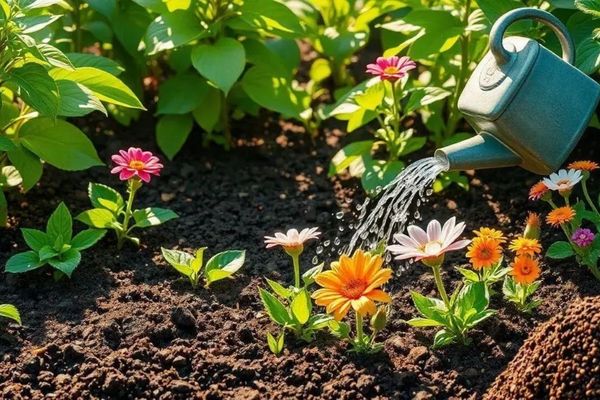
There’s something incredibly satisfying about spotting the very first flower on a plant you’ve been caring for. I still remember checking one of my potted plants every morning, convinced a bud was about to appear. It seemed to be growing beautiful leaves, but no flowers. I started wondering what I was doing wrong.
As it turned out, the plant wasn’t being stubborn—it was simply missing a few things it needed before it was ready to bloom.
Since then, I’ve learned that flowering is rarely about luck. When plants receive the right balance of light, nutrients, water, and care, they’re much more likely to reward us with beautiful blossoms.
Learn When Your Plant Naturally Blooms
One lesson I wish I’d learned sooner is that every plant follows its own schedule.
Some flowers appear only once a year, while others bloom several times throughout the growing season. Certain plants need to reach maturity before producing their first flowers, and that’s completely normal.
I used to compare one plant with another, expecting them all to behave the same way. Once I started researching each species individually, gardening became much less frustrating.
Understanding your plant’s natural rhythm helps you know what to expect and prevents unnecessary changes that might actually delay flowering.
Give Your Plant the Right Amount of Light
Light has probably made the biggest difference in my flowering plants.
A healthy-looking plant with plenty of leaves doesn’t necessarily receive enough sunlight to produce flowers. I’ve had several plants that looked perfectly happy until I moved them closer to a brighter window. Within weeks, flower buds finally began to appear.
Many flowering plants need at least six hours of direct sunlight each day, while others prefer bright but indirect light. The key is matching the lighting conditions to the specific needs of the plant you’re growing.
If natural light is limited, grow lights can be an excellent alternative, especially during darker months.
Feed Flowers, Not Just Leaves
One mistake I made early on was assuming that more fertilizer automatically meant more flowers.
Instead, I ended up with lush green plants that seemed determined to grow leaves forever.
Later I discovered that fertilizers high in nitrogen encourage leafy growth, while phosphorus and potassium play much bigger roles in flower production. Since making that adjustment, I’ve noticed a huge improvement in blooming.
I always follow the recommended dosage because too much fertilizer can stress the plant rather than help it.
Water Consistently
Plants need a reliable watering routine if they’re going to produce healthy flowers.
I’ve noticed that letting the soil swing between completely dry and soaking wet often causes buds to fall off before they even have a chance to open.
Most flowering plants prefer evenly moist soil with good drainage. I always check the soil with my finger before watering instead of following a strict calendar.
That simple habit has saved me from both overwatering and underwatering more times than I can count.
Prune With Purpose
Pruning used to make me nervous because I was afraid of cutting the wrong branch.
Eventually I learned that thoughtful pruning actually encourages stronger growth and, in many cases, more flowers.
Removing dead stems improves airflow and allows the plant to direct its energy toward healthy new growth. I also make a point of removing faded flowers whenever possible.
Deadheading keeps many flowering plants producing new buds instead of focusing their energy on making seeds.
Just remember that some plants bloom on older branches, so it’s always worth checking the proper pruning method before making major cuts.
Pay Attention to Temperature and Humidity
I used to focus almost entirely on watering and sunlight, but temperature and humidity matter more than I realized.
Sudden cold drafts, heat waves, or extremely dry air can all interfere with flowering. Tropical plants, especially, seem much happier when humidity stays a little higher.
During the winter, I sometimes group plants together or use a pebble tray to increase moisture around them. It’s a small adjustment, but several of my tropical plants definitely appreciate it.
Repot When the Plant Needs More Space
Sometimes the problem isn’t above the soil—it’s underneath.
If roots completely fill the pot, plants often struggle to produce flowers because they simply don’t have enough room to grow properly.
Whenever I notice roots circling the bottom of a container or growing through drainage holes, I know it’s probably time for a slightly larger pot.
Fresh potting mix also gives the plant a welcome boost of nutrients, which often helps support future blooming.
Reduce Stress Whenever Possible
Plants respond to stress more than we sometimes realize.
Frequent moves around the house, pest problems, sudden environmental changes, or disease can all interrupt the flowering process.
I’ve found that healthy plants kept in stable conditions usually perform much better than those constantly being moved from one location to another.
Regular inspections help catch problems early before they affect flower production.
Patience Is Part of Gardening
This is probably the hardest lesson I’ve had to learn.
Some plants simply need more time. No amount of fertilizer or extra watering can rush a plant that’s still maturing or recovering from stress.
I’ve learned to enjoy the entire growing process instead of focusing only on the flowers. Ironically, once I stopped checking every day, blooms often seemed to appear when I least expected them.
Final Thoughts
Watching a plant bloom after weeks—or even months—of care never gets old. Every flower feels like a small reward for the patience and attention you’ve invested along the way.
If your plant isn’t flowering yet, don’t lose hope. Take a closer look at its lighting, watering routine, nutrition, and overall environment. Small adjustments often make a remarkable difference, and with a little patience, you’ll likely be rewarded with the beautiful blooms you’ve been waiting for.