
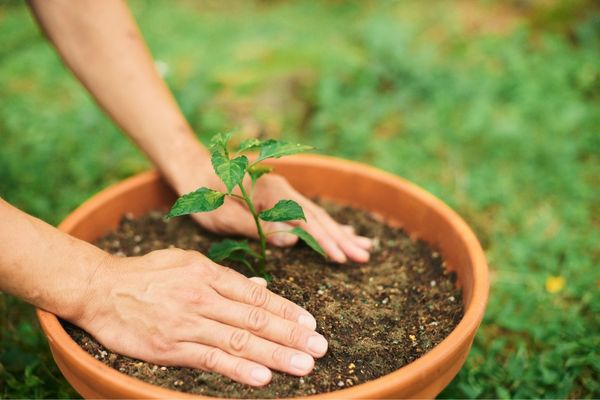
Starting my plant collection felt a little overwhelming. I kept wondering if I’d remember when to water everything or whether I had enough sunlight coming through my windows. I was convinced I’d accidentally kill my first plant within a few weeks. Thankfully, I discovered that some plants are incredibly forgiving and almost seem to cheer you on while you’re learning. They helped me build confidence, and before I knew it, caring for plants became one of my favorite hobbies.
Why Beginner-Friendly Plants Make Learning Easier
When I first started, choosing easy-care plants made all the difference. They didn’t expect perfection, and honestly, neither did I. These plants usually adapt well to different environments, tolerate the occasional forgotten watering, and don’t panic if conditions aren’t exactly ideal.
That gave me room to learn without feeling like every small mistake would end in disaster. Over time, I became more comfortable recognizing what healthy plants look like and how they communicate when something isn’t quite right.
If you’re just beginning, I honestly think starting with resilient plants is one of the smartest decisions you can make.
Snake Plant (Sansevieria)
The snake plant was one of my very first purchases, and I completely understand why it’s recommended so often. Its tall, architectural leaves instantly make a room look more stylish, but what impressed me most was how little attention it actually needed.
I keep mine in bright, indirect light, although I’ve noticed it handles darker corners surprisingly well. I only water it after the soil has completely dried out because too much water is far more dangerous than too little.
A pot with good drainage and well-draining soil are really all it asks for. As an added bonus, it also helps improve indoor air quality, which makes it even easier to love.
Pothos (Epipremnum aureum)
If I had to recommend one plant to someone buying their very first houseplant, pothos would be near the top of my list.
Its heart-shaped leaves grow quickly and trail beautifully from shelves, hanging baskets, or bookcases. Even better, it’s incredibly forgiving.
Mine seems happy almost anywhere as long as it gets bright, indirect light, although it’s also done surprisingly well in lower-light areas of my home. I simply water it once the top layer of soil feels dry.
One of the things I enjoyed most was learning how easy it is to propagate. Watching new roots develop in a simple glass of water felt like a tiny science experiment happening right on my kitchen counter.
ZZ Plant (Zamioculcas zamiifolia)
The ZZ plant is probably the closest thing I’ve found to an indestructible houseplant.
Its thick, glossy leaves always look healthy, even when I accidentally forget about it for a while. That’s because its underground rhizomes store water, allowing the plant to go much longer between waterings than most indoor plants.
I keep mine in indirect light and only water it when the soil feels completely dry. Bright direct sunlight hasn’t worked very well in my experience, so I prefer giving it a slightly sheltered location.
Its slow growth means you won’t need to repot it very often either, which is another reason beginners tend to love it.
Spider Plant (Chlorophytum comosum)
Spider plants have always reminded me that gardening doesn’t have to be complicated to be rewarding.
Their long, arching leaves add movement to a room, and before long they begin producing tiny baby plants that dangle from the mother plant. The first time mine did that, I couldn’t stop smiling.
They grow best in bright, indirect light, although they adapt well to average indoor conditions. I water mine whenever the soil feels slightly dry and avoid letting excess water sit around the roots.
Those little plantlets are incredibly easy to replant, making propagation one of the most satisfying parts of owning a spider plant.
Succulents
I used to think succulents were impossible to kill. Then I learned that loving them too much can actually become the problem.
These plants, including aloe vera, echeveria, and haworthia, store water inside their leaves, so they don’t appreciate frequent watering. Once I stopped treating them like tropical plants, everything changed.
Now I keep them near my brightest window, use a gritty cactus mix, and wait until the soil has completely dried before watering again.
Aloe vera has become one of my favorites because it’s not only beautiful but also useful. I’ve even used the gel from its leaves to soothe minor skin irritation.
Peace Lily (Spathiphyllum)
If you want a flowering houseplant that’s still beginner-friendly, the peace lily is definitely worth considering.
Its elegant white flowers and glossy green leaves bring a calm, fresh feeling to almost any room. I also love that it tells me exactly when it’s thirsty. The leaves droop dramatically, and after a good watering they usually perk back up within hours.
Mine grows beautifully in medium, indirect light with consistently moist soil that never becomes soggy.
It’s one of those plants that makes you feel like an experienced gardener, even if you’re still learning.
A Few Simple Habits That Help Every Plant Thrive
No matter which beginner-friendly plant you choose, I’ve found that a few simple routines make caring for them much easier.
- Learn how much light your plant naturally prefers.
- Always check the soil before watering.
- Use pots with drainage holes.
- Keep leaves clean by gently wiping away dust.
- Watch for changes instead of following a rigid schedule.
- Be patient—healthy growth takes time.
These habits quickly became second nature for me, and I noticed a huge difference in the health of my plants.
Final Thoughts
Looking back, I’m so glad I didn’t let fear stop me from getting started. Every plant taught me something different, and even the occasional mistake became part of the learning process.
You don’t need years of gardening experience to enjoy beautiful, healthy plants at home. Start with species that are happy to forgive beginner mistakes, pay attention to what they’re telling you, and enjoy watching your confidence grow alongside your collection.