
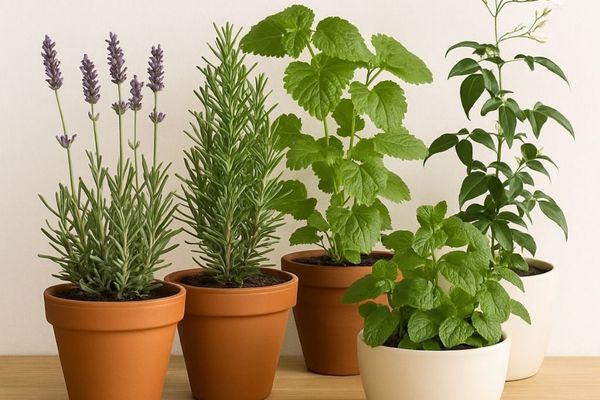
I never realized how much fragrance could change the atmosphere of a home until I started growing aromatic plants.
At first, I planted herbs simply because I enjoyed cooking. Then I noticed something unexpected. Brushing past a pot of rosemary released a fresh, woodsy scent that instantly lifted my mood. Mint filled the air with a cool, refreshing aroma after every watering, and lavender made my small patio feel like a peaceful retreat.
That experience taught me that aromatic plants offer far more than pleasant smells. They enrich everyday life through their beauty, flavor, therapeutic qualities, and incredible versatility.
If you’ve never grown aromatic plants before, you may be surprised by just how much they can add to your home and garden.
What Are Aromatic Plants?
Aromatic plants are species that naturally produce fragrant oils within their leaves, flowers, stems, or seeds.
Some release their scent continuously, while others become wonderfully fragrant when touched or gently crushed.
Some of the best-known aromatic plants include:
- Lavender
- Rosemary
- Mint
- Basil
- Thyme
- Chamomile
Beyond their beautiful fragrances, many of these plants contain natural compounds that have been valued for generations.
Why I Love Growing Aromatic Plants
One of the things I appreciate most is that these plants engage nearly every sense.
They offer:
- Beautiful foliage
- Attractive flowers
- Fresh flavors for cooking
- Pleasant natural fragrances
- Seasonal interest in the garden
Every time I step outside, there’s something new to smell, taste, or admire.
That simple daily experience makes gardening feel even more rewarding.
Fresh Herbs Make Every Meal Better
I originally started growing herbs for cooking, and they’ve become some of the hardest-working plants in my garden.
Fresh herbs can completely transform simple recipes.
Some of my favorites include:
- Basil for pasta and salads
- Rosemary with roasted vegetables
- Thyme in soups
- Oregano for homemade pizza
- Mint in drinks and desserts
Using freshly picked herbs adds flavor that dried supermarket herbs simply can’t match.
Herbal Teas Have Become a Daily Ritual
Growing aromatic plants also introduced me to homemade herbal teas.
On quiet evenings, I often harvest a few leaves or flowers to prepare a warm cup.
Some favorites include:
- Chamomile for relaxing evenings
- Mint after meals
- Lemon balm during busy days
Whether the benefits come from the herbs themselves or simply taking time to slow down, the ritual always leaves me feeling refreshed.
Aromatic Plants Around the House
One unexpected discovery was how naturally aromatic plants freshen indoor spaces.
Instead of relying entirely on artificial air fresheners, I now use fresh herbs and flowers throughout my home.
Some simple ideas include:
- Small pots on kitchen windowsills
- Fresh herb bouquets
- Lavender in bedrooms
- Mint near entryways
- Rosemary on dining tables
Even a single pot can subtly transform the atmosphere of a room.
Lavender Is Always My First Recommendation
If someone asked me to choose only one aromatic plant, lavender would be difficult to beat.
Its soft purple flowers are beautiful, and its calming fragrance has made it one of my absolute favorites.
I enjoy using lavender in several ways:
- Fresh bouquets
- Dried flower arrangements
- Decorative sachets
- Relaxing evening displays
Every time I walk past blooming lavender, I instinctively pause for a deep breath.
Aromatherapy Begins in the Garden
Before I started gardening, aromatherapy sounded complicated.
Now I realize it often begins with simply growing fragrant plants.
Many aromatic species have long been appreciated for creating pleasant environments through their natural scents.
Just spending time among fragrant herbs has become one of my favorite ways to unwind after a busy day.
Aromatic Plants Make Beautiful Decorations
One thing I hadn’t expected was how attractive aromatic plants look throughout the year.
Many combine interesting foliage with colorful flowers, making them excellent ornamental plants as well.
I especially enjoy using them in:
- Patio containers
- Window boxes
- Raised beds
- Hanging baskets
- Decorative borders
The combination of beauty and fragrance makes them incredibly versatile.
Growing Aromatic Plants Is Easier Than I Expected
Fortunately, most aromatic herbs aren’t difficult to grow.
Many simply require:
- Well-draining soil
- Plenty of sunlight
- Moderate watering
- Occasional pruning
Several grow happily in containers, making them perfect for balconies and apartments.
Regular harvesting actually encourages many herbs to become fuller and more productive.
Preserving the Harvest
One challenge with aromatic plants is that they often produce more than I can use immediately.
Rather than letting them go to waste, I preserve them in different ways.
Some methods I rely on include:
- Air drying herbs
- Freezing fresh leaves
- Making infused oils
- Preparing flavored vinegars
Opening a jar of homegrown dried rosemary or thyme during winter always reminds me of the warmth of summer.
A Few Safety Tips
Although aromatic plants are generally easy to enjoy, it’s important to use them responsibly.
Before using any herb medicinally or preparing homemade essential oils, I always make sure I understand its proper use.
Some plants can cause allergic reactions or may not be suitable for everyone.
A little research goes a long way toward using aromatic plants safely and confidently.
Why Aromatic Plants Will Always Have a Place in My Garden
Of all the plants I grow, aromatic herbs are probably the ones I interact with most often.
I cook with them, decorate with them, brew them into teas, and simply enjoy their fragrance while spending time outdoors. They remind me that gardening isn’t only about growing beautiful flowers or productive vegetables—it’s also about creating experiences that engage every sense.
Whether planted in a large garden or a few small containers, aromatic plants bring freshness, comfort, and everyday joy. Once you begin growing them, it’s hard to imagine a home without their wonderful scents and endless possibilities.