
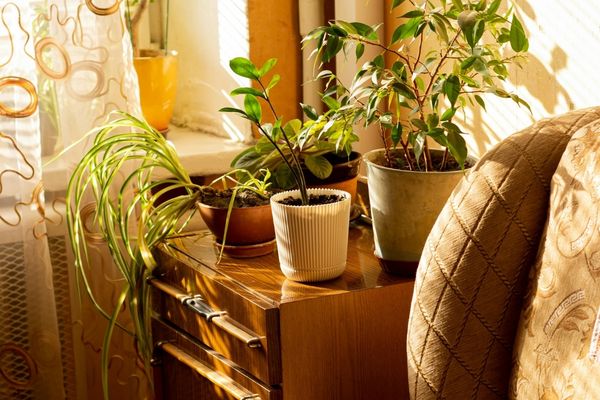
I used to think indoor plants were mainly decorative.
Whenever I visited someone’s home and saw beautiful greenery in every room, I assumed the plants were there simply to make the space look more inviting. It wasn’t until I started reading more about houseplants that I discovered many of them quietly do much more than brighten a room. Some help regulate humidity, others contribute to a fresher atmosphere, and many simply make indoor spaces feel calmer and more comfortable.
While no houseplant can replace proper ventilation or an air purifier, surrounding myself with healthy plants has made my home feel noticeably more pleasant. Combined with good airflow and regular cleaning, they’ve become an important part of creating a healthier indoor environment.
Why Indoor Air Quality Matters
Many of us spend most of our day indoors, whether we’re working from home, relaxing, or sleeping.
Unfortunately, indoor spaces can contain dust, volatile organic compounds (VOCs), allergens, and other pollutants released by furniture, paints, cleaning products, and everyday household items.
Although plants aren’t miracle air-cleaning machines, they can play a small but meaningful role in creating a fresher, more enjoyable living space.
For me, the psychological effect alone has been worth it.
How Plants Help Indoors
Plants naturally interact with the air around them in several ways.
Through photosynthesis they absorb carbon dioxide and release oxygen during the day. They also release moisture through transpiration, which can help maintain comfortable humidity levels in dry environments.
Some research has also shown that certain plants, together with the microorganisms living in their potting soil, may help remove small amounts of airborne compounds under controlled conditions.
The combination of these natural processes contributes to a more pleasant indoor atmosphere.
Spider Plant: My Favorite Beginner Plant
One of the first houseplants I successfully kept alive was a spider plant.
It’s incredibly forgiving and seems happy with very little attention.
I love it because it offers:
- Graceful arching leaves
- Easy care
- Fast growth
- Plenty of baby plantlets for propagation
If someone asks me which plant to buy first, this is usually my recommendation.
Snake Plant Is Almost Impossible to Defeat
If resilience were a competition, my snake plant would probably win.
I’ve accidentally forgotten to water it more times than I’d like to admit, yet it continues producing beautiful upright leaves.
Snake plants tolerate:
- Low maintenance
- Infrequent watering
- Various light conditions
- Busy lifestyles
For beginners, it’s one of the most rewarding indoor plants available.
Peace Lily Adds Beauty and Elegance
The peace lily quickly became one of my favorite flowering houseplants.
Its glossy green leaves and elegant white blooms brighten almost any room.
I especially appreciate how it adds a tropical feel without requiring constant attention.
Like many tropical plants, it prefers:
- Bright, indirect light
- Even moisture
- Moderate humidity
When it’s happy, the entire room seems more vibrant.
Boston Fern Loves Humidity
Not every plant enjoys the dry air found in many homes.
Boston ferns prefer higher humidity, which makes bathrooms or kitchens excellent locations if they receive enough light.
Keeping one healthy took a little practice, but its lush foliage makes the extra effort worthwhile.
Whenever I see those soft green fronds, the room instantly feels more peaceful.
Aloe Vera Is Both Beautiful and Practical
I originally bought aloe vera because I liked its sculptural appearance.
Later I discovered how useful it could be for minor skin irritations and small burns.
It’s also one of the easiest succulents to care for because it prefers:
- Bright light
- Excellent drainage
- Infrequent watering
For anyone who tends to overwater plants, aloe encourages patience.
Rubber Plants Make a Statement
Rubber plants quickly become impressive focal points indoors.
Their large, glossy leaves create a bold appearance that works beautifully in living rooms or offices.
Mine has grown far taller than I ever expected.
Watching a single small plant gradually become part of the room’s architecture has been incredibly satisfying.
English Ivy Brings a Different Look
Unlike upright plants, English ivy creates movement.
Whether hanging from a shelf or trailing from a basket, its cascading vines soften indoor spaces and add visual interest.
I enjoy mixing trailing plants with upright varieties because they create a more natural-looking indoor garden.
The contrast makes the entire collection feel more dynamic.
Getting the Most From Your Indoor Plants
Healthy plants provide the greatest benefits, so proper care matters.
I try to give mine:
- Appropriate light
- Correct watering
- Occasional feeding
- Dust-free leaves
- Good air circulation
A neglected plant won’t thrive, and caring for them has become part of the enjoyment.
More Than Cleaner Air
One of the biggest surprises for me wasn’t the potential air-quality benefits.
It was how much plants influenced my mood.
Every time I water them, notice a new leaf unfurling, or propagate a cutting for a friend, I feel more connected to my home.
Plants encourage slower moments in an otherwise busy day.
Even a quick glance at a shelf full of healthy greenery can feel surprisingly calming.
A Few Safety Considerations
If you share your home with pets or young children, it’s important to research each plant before bringing it inside.
Some popular houseplants can cause irritation or be toxic if chewed or eaten.
Taking a few minutes to choose pet-friendly varieties provides peace of mind while still allowing you to enjoy an indoor garden.
Why I Continue Filling My Home With Plants
The more plants I bring indoors, the more welcoming my home feels.
They add color, texture, and life in ways that furniture and decorations simply can’t. While they’re only one part of maintaining a healthy indoor environment, they encourage me to slow down, care for something living, and appreciate the beauty of nature every single day.
For me, that’s reason enough to keep making room for just one more plant on the windowsill.