
When I first started growing plants, I thought choosing a pot was the easy part. I’d simply pick the prettiest one at the garden center, bring it home, and assume everything would work out.
It didn’t take long to realize that plants have their own opinions about pots.
Some struggled because their containers held too much water. Others became root-bound because I kept them in pots that were far too small. Over time, I learned that a pot isn’t just decoration—it’s one of the most important factors in keeping a plant healthy.
If you’re wondering how to choose the right pot for your plants, here are the lessons I’ve learned through plenty of trial and error.
Why the Right Pot Matters
It’s easy to focus on watering schedules and sunlight while overlooking the container itself.
The truth is that a pot affects almost everything about a plant’s life. It influences drainage, moisture levels, root development, temperature, and even how often you’ll need to water.
Once I started paying attention to my pots instead of simply matching them to my décor, I noticed my plants became healthier almost immediately.
Sometimes a simple change of container makes a bigger difference than adding fertilizer or changing locations.
Choosing the Correct Size
One mistake I made early on was assuming bigger was always better.
I thought giving roots lots of extra space would help plants grow faster. Instead, oversized pots held too much moisture, leaving the soil wet for far too long.
Now I usually choose a pot that’s only slightly larger than the current root ball. That gives the roots enough room to expand without surrounding them with unnecessary wet soil.
For slow-growing plants like succulents, I even prefer slightly snug containers because they seem much happier that way.
Never Ignore Drainage
If I could give only one piece of advice about pots, it would be this: always choose one with drainage holes.
Standing water is one of the quickest ways to damage healthy roots. Even the most beautiful decorative container isn’t worth using if excess water has nowhere to escape.
When I fall in love with a pot that doesn’t have drainage holes, I simply place the nursery pot inside it instead of planting directly into the decorative container.
That way I get the appearance I want without sacrificing plant health.
Understanding Different Pot Materials
It surprised me how much the material of a pot changes the way plants grow.
Terracotta
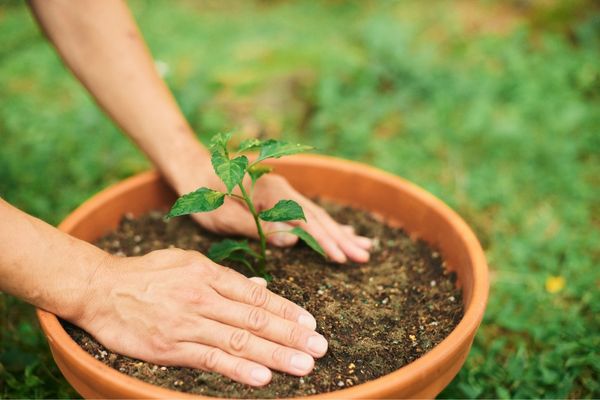
Terracotta has become one of my favorites.
Because it’s porous, moisture slowly evaporates through the sides, making it an excellent choice for succulents, cacti, and other plants that prefer drier soil.
The only downside is that these pots dry out more quickly, especially during summer.
Plastic
Plastic pots are lightweight, affordable, and excellent at holding moisture.
I often use them for tropical plants that enjoy consistently damp soil. They’re also much easier to move when repotting larger plants.
Ceramic
Ceramic pots are perfect when I want something decorative without giving up functionality.
They retain moisture longer than terracotta while adding a polished appearance to any room. I simply make sure they include proper drainage before using them.
Metal
Metal containers certainly look stylish, but I rarely plant directly into them.
In sunny locations they can become surprisingly hot, which isn’t ideal for sensitive roots. Instead, I usually use them as decorative outer pots.
Match the Pot to the Roots
One thing I never considered at first was that different plants have different root systems.
Plants with shallow roots, like many herbs and succulents, often do best in wider containers that don’t need to be especially deep.
Meanwhile, plants with deeper root systems appreciate taller pots where roots can naturally grow downward.
Paying attention to root shape helps plants establish themselves much more comfortably.
Consider Weight and Stability
As my indoor trees became larger, I discovered another important factor: stability.
Lightweight pots can tip surprisingly easily when supporting tall plants with heavy foliage.
For larger specimens, I prefer ceramic or concrete containers because their extra weight keeps everything securely in place.
On the other hand, hanging plants are much happier in lightweight plastic or resin pots that don’t put unnecessary strain on hooks and brackets.
Indoor and Outdoor Containers
Indoor and outdoor gardening often require different types of pots.
Inside my home, I always use saucers or built-in drainage trays to protect furniture and floors.
Outside, I look for durable containers that can handle changing weather conditions, including heavy rain, strong sunshine, and temperature swings.
Larger outdoor pots also tend to retain moisture more evenly, which helps plants during hot weather.
Knowing When It’s Time to Repot
Eventually every healthy plant outgrows its container.
Some of the signs I watch for include roots growing through the drainage holes, water flowing straight through the pot without soaking the soil, or noticeably slower growth. When that happens, I move the plant into a slightly larger container rather than jumping several sizes at once.
Small steps usually produce the healthiest results.
Beauty and Function Can Work Together
I used to think I had to choose between attractive pots and practical ones.
Thankfully, that’s not true.
There are countless beautiful containers that also provide proper drainage, good proportions, and suitable materials for healthy growth. I now choose pots that complement both my home’s style and my plants’ needs.
Everyone wins—including the plants.
Final Thoughts
Choosing the right pot isn’t just about appearance. It’s about creating the best possible environment for healthy roots, steady growth, and long-term success.
By paying attention to size, drainage, material, stability, and the specific needs of each plant, you’ll avoid many common gardening problems before they even begin.
I’ve learned that sometimes the most beautiful plant isn’t the one with the fanciest pot—it’s the one that’s growing happily because its container truly suits it.