
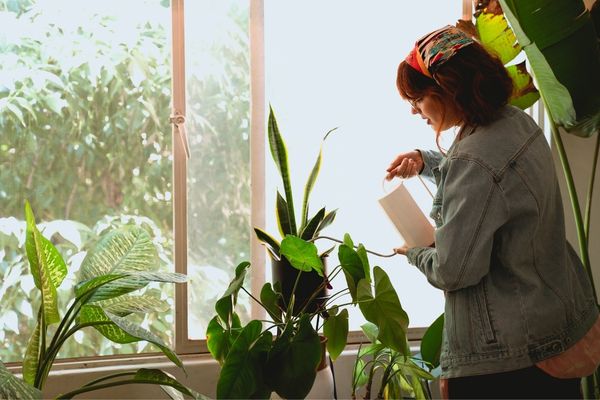
Bringing plants into my home turned out to be one of the best decisions I’ve ever made. At first, I thought houseplants were simply beautiful decorations, but it didn’t take long for me to realize they completely changed the way my home felt. Every new leaf, every tiny sprout, and even every mistake taught me something new. Caring for indoor plants has become part of my daily routine, and I’ve learned that keeping them healthy is much easier than I once imagined.
Understanding My Plants’ Needs
One of the first lessons I learned is that every plant has its own personality. What works perfectly for one species might be exactly what another one dislikes. Instead of assuming all plants need the same care, I started paying attention to where they naturally grow and tried to recreate those conditions inside my home.
Some plants absolutely love soaking up bright sunlight, while others seem much happier tucked away in a corner with soft, indirect light. Watching how each plant reacts has become one of my favorite parts of gardening. If the leaves begin stretching toward the window or losing their vibrant color, I know it’s probably asking me for a better spot.
Watering was another learning experience. I used to believe that watering more often meant showing my plants more love. Unfortunately, I found out the hard way that too much water can be worse than too little. These days, I always check the soil before grabbing the watering can. If the top inch still feels damp, I simply wait another day or two. That tiny habit has saved more plants than I can count.
Finding the Best Spot Indoors
Location makes a much bigger difference than I expected when I first started collecting plants.
Now I pay attention to light, temperature, and airflow before choosing where each pot will live. Most of my houseplants seem happiest in rooms that stay between 18°C and 26°C (65°F to 80°F), without sudden changes throughout the day.
I avoid placing them next to heating vents, air conditioners, or drafty windows because I’ve noticed those constant temperature swings can leave plants looking stressed and unhappy.
Natural light is always my first choice. South-facing windows usually provide bright sunlight for plants that enjoy it, while north-facing windows offer softer light that works beautifully for many leafy varieties. Whenever sunlight isn’t enough, I don’t hesitate to use grow lights. They’ve made a huge difference, especially during darker seasons.
I also rotate my pots every couple of weeks. It’s such a simple habit, but it helps plants grow evenly instead of leaning dramatically toward one side.
Watering the Right Way
Watering sounds simple, yet there’s definitely a right way to do it.
Instead of giving plants a small splash every day, I water deeply until I see excess water draining from the bottom of the pot. This encourages stronger roots and makes sure moisture reaches the entire root system.
Drainage holes are something I never compromise on anymore. I once kept a beautiful plant in a decorative pot without proper drainage because it looked prettier. It didn’t stay beautiful for very long. Standing water can quickly lead to root rot, and that’s a mistake I only needed to make once.
I’ve also noticed that some plants respond better when I use rainwater or filtered water. If tap water is my only option, I let it sit overnight before using it. It’s an easy step that seems to help sensitive plants thrive.
Choosing the Right Soil
Healthy roots begin with healthy soil.
I always use a quality potting mix made for indoor plants because ordinary garden soil tends to be too dense for containers. Good potting soil allows roots to breathe while holding just the right amount of moisture.
Different plants appreciate different growing media. My succulents do much better in a gritty cactus mix that drains quickly, while my orchids absolutely love chunky orchid bark instead of traditional soil. Once I started matching the soil to the plant, I noticed healthier growth almost immediately.
Eventually every plant outgrows its pot. When I see roots poking through the drainage holes, slower growth, or soil drying out unusually fast, I know it’s probably time to repot. I simply move the plant into a container that’s slightly larger and refresh the soil at the same time.
Feeding Indoor Plants
Plants use nutrients every day as they grow, so eventually the soil needs a little help.
During spring and summer, I feed most of my indoor plants every few weeks with a balanced fertilizer. They seem to reward me with stronger growth, healthier leaves, and richer color.
One mistake I made early on was thinking more fertilizer would produce faster growth. Instead, I learned that overfeeding can damage roots and even burn the leaves. Now I always follow the recommended dosage, and sometimes I even dilute it slightly for more delicate plants.
Once autumn and winter arrive, many houseplants naturally slow down. During those months, I usually stop fertilizing altogether until new growth begins again.
Pruning and Routine Care
Pruning used to make me nervous because I worried about cutting the wrong leaf. Now I see it as part of keeping my plants healthy.
Removing yellow, damaged, or dead leaves helps direct energy toward fresh growth while keeping the plant looking its best. I also clean dusty leaves every few weeks with a soft, damp cloth. Besides making them look prettier, clean leaves absorb light much more efficiently.
Checking for pests has become another regular habit. Every time I water, I take a quick look under the leaves and around the stems. Catching tiny insects early makes them much easier to deal with before they spread through the rest of my collection.
Final Thoughts
One of my favorite things about gardening indoors is that there’s always something new to learn. Every plant teaches me a little more about patience, observation, and slowing down.
If you’re just getting started, don’t worry about making everything perfect. I’ve overwatered plants, chosen the wrong locations, and learned plenty of lessons through trial and error. That’s simply part of the journey.
The more time you spend with your plants, the easier it becomes to understand what they’re trying to tell you. Before long, caring for them won’t feel like another chore—it’ll become one of the most relaxing parts of your day.