
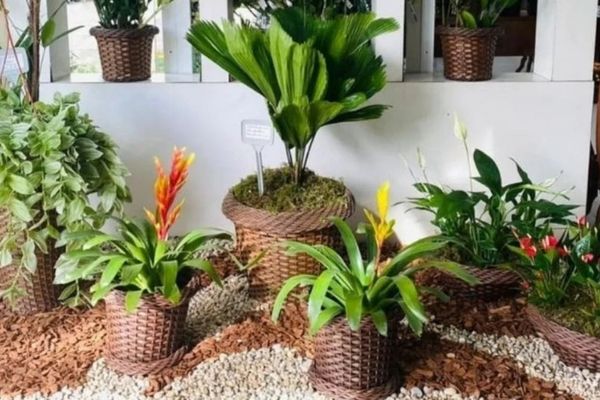
When I first started gardening, I assumed winter meant taking a break.
I imagined gardens becoming dull, lifeless spaces that simply waited for spring to arrive. Then I discovered something that completely changed my perspective—many plants don’t just survive winter, they actually thrive in it.
As I learned more about cold-hardy species, I realized a winter garden could be every bit as beautiful as a summer one. Evergreen shrubs, colorful stems, elegant winter blooms, and textured grasses all brought life to my garden during months I once overlooked.
Now I actually look forward to seeing how my garden changes when the temperature drops.
What Makes a Plant Cold-Resistant?
Not every plant responds to winter in the same way.
Cold-resistant plants have developed natural adaptations that help them survive freezing temperatures, frost, and even snow.
Some plants:
- Slow their growth during winter
- Store energy underground
- Develop thicker leaves or stems
- Produce compounds that help protect their cells from freezing
These clever survival strategies allow them to return year after year with very little intervention.
Understanding Your Local Climate
One lesson I learned early on is that “cold” means different things depending on where you live.
A plant that survives winter comfortably in one region may struggle in another.
Before buying new plants, I now consider:
- Typical winter temperatures
- Frost frequency
- Wind exposure
- Soil drainage
- Hours of winter sunlight
Understanding these conditions has saved me from making many expensive mistakes.
Evergreens Keep the Garden Alive
If there’s one group of plants that transformed my winter garden, it’s evergreens.
Unlike deciduous plants, they keep their foliage throughout the year, providing structure even when everything else is dormant.
Some reliable choices include:
- Boxwood
- Holly
- Juniper
- Yew
- Pine trees
- Spruce
- Fir
Even on gray winter days, their rich green foliage keeps the garden feeling full of life.
Hardy Perennials Return Every Year
One of my favorite gardening surprises was discovering that many perennials quietly wait beneath the soil all winter.
Although their leaves disappear, their roots remain alive, preparing for spring.
Some dependable cold-tolerant perennials include:
- Hostas
- Peonies
- Daylilies
- Sedum
- Ornamental grasses
Watching them emerge each spring never gets old.
Winter Flowers Really Do Exist
Before I became a gardener, I had no idea some plants actually bloom during winter.
Seeing flowers appear while the weather is still cold feels almost magical.
Some beautiful winter bloomers include:
- Hellebores
- Winter jasmine
- Witch hazel
These plants bring welcome color to a season that many people assume is completely lifeless.
Shrubs Add Winter Interest
Flowers aren’t the only source of beauty during winter.
Some shrubs become even more attractive after their leaves have fallen.
A few favorites include:
- Dogwood
- Snowberry
- Viburnum
- Cold-hardy hydrangeas
Bright stems, decorative berries, and dried flower heads provide texture long after summer has ended.
Ground Covers Protect More Than Soil
Ground covers are easy to overlook, but they’ve become some of the hardest-working plants in my garden.
Cold-resistant ground covers help:
- Reduce soil erosion
- Protect plant roots
- Suppress weeds
- Add greenery throughout winter
Plants like ivy, creeping juniper, and periwinkle continue adding life even during colder months.
Mulch Is Essential Before Winter
One gardening habit I never skip is applying mulch before temperatures begin to drop.
A generous layer of mulch helps:
- Insulate plant roots
- Reduce temperature fluctuations
- Retain soil moisture
- Protect against repeated freezing and thawing
It’s a simple job that makes a noticeable difference every winter.
Don’t Forget to Water
One mistake I made during my first winter was assuming dormant plants didn’t need water.
I quickly learned that’s not true.
Evergreens especially can suffer from dehydration during cold weather.
Whenever the ground isn’t frozen and temperatures are mild, I make sure my plants receive enough moisture without overwatering.
Protect Plants From Winter Winds
Cold temperatures aren’t always the biggest problem.
Strong winter winds can dry out leaves and damage branches surprisingly quickly.
For more delicate plants, I’ve used:
- Burlap screens
- Temporary wind barriers
- Garden fences
- Sheltered planting locations
These simple protections often make the difference between survival and damage.
Winter Has Its Own Kind of Beauty
One thing I appreciate now is that winter gardens don’t need to be filled with flowers to be beautiful.
Frost-covered grasses, evergreen branches, colorful stems, textured bark, and even seed heads create an entirely different kind of landscape.
Instead of waiting impatiently for spring, I’ve learned to enjoy the quieter beauty that winter brings.
Why I No Longer Fear Winter Gardening
Winter used to feel like the end of the gardening season.
Now I see it as another chapter in the garden’s story. By choosing cold-resistant plants, adding evergreens for structure, including winter-blooming flowers, and giving plants a little extra protection when needed, I’ve created a landscape that remains interesting throughout the year.
Gardening has taught me that every season has something unique to offer. Even in the coldest months, nature continues to surprise me with its resilience, beauty, and quiet determination to keep growing.