
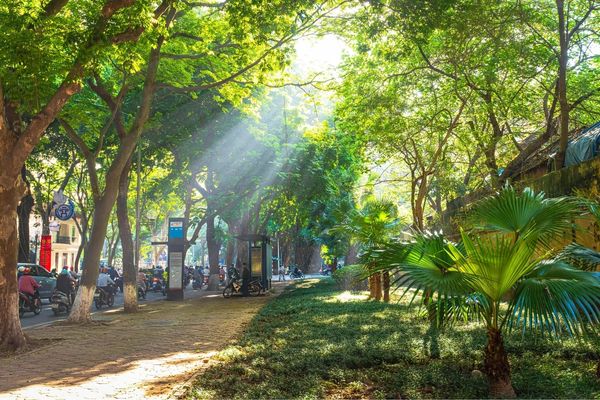
I used to think city life and nature simply didn’t mix.
Whenever I imagined lush gardens, towering trees, and colorful flowers, I pictured quiet countryside landscapes—not busy streets filled with traffic and tall buildings. But over time, I started paying closer attention to the parks, tree-lined sidewalks, rooftop gardens, and tiny community plots scattered throughout my city.
That’s when I realized urban green spaces aren’t just pleasant places to visit. They’re essential. Plants quietly transform cities into healthier, cooler, friendlier environments for both people and wildlife.
Now, every time I walk through a neighborhood filled with greenery, I notice the difference immediately.
What Are Urban Green Spaces?
Urban green spaces are areas within cities that contain vegetation and provide opportunities for recreation, relaxation, and environmental benefits.
They come in many forms, including:
- Public parks
- Community gardens
- Street trees
- Green roofs
- Vertical gardens
- Pocket parks
- Nature trails
- Planted courtyards
No matter their size, these spaces help soften the built environment and reconnect people with nature.
Plants Make Cities Healthier
One of the biggest surprises for me was learning how much plants improve the quality of city life.
They quietly perform important jobs every single day, including:
- Cleaning the air
- Cooling surrounding areas
- Reducing noise
- Supporting wildlife
- Improving mental well-being
- Managing rainwater
Many of these benefits go unnoticed, but together they make cities far more livable.
Cleaner Air Starts With More Greenery
Living in an urban area means constantly being surrounded by vehicles, buildings, and pollution.
Fortunately, plants help improve air quality in several ways.
Trees and shrubs can:
- Capture dust particles
- Absorb carbon dioxide
- Filter certain pollutants
- Release oxygen through photosynthesis
Although plants can’t eliminate pollution entirely, increasing urban greenery contributes to healthier neighborhoods.
Trees Help Cool the City
One thing I’ve noticed on hot summer afternoons is how much cooler tree-lined streets feel.
Large trees provide shade while also cooling the surrounding air through evapotranspiration.
This helps reduce what’s known as the urban heat island effect, where concrete and asphalt absorb and radiate heat throughout the day.
Even a short walk beneath mature trees feels dramatically more comfortable than walking along exposed sidewalks.
Green Spaces Improve Mental Well-Being
Whenever life becomes overwhelming, I naturally find myself searching for a nearby park.
Being surrounded by plants has a calming effect that’s difficult to describe but easy to experience.
Time spent in green spaces often encourages:
- Relaxation
- Stress reduction
- Better concentration
- Improved mood
- More time outdoors
Even a quiet bench beneath a few trees can become a welcome escape from busy city life.
Plants Encourage Healthy Lifestyles
Beautiful parks naturally invite people outside.
I’ve noticed that neighborhoods with attractive green spaces encourage activities like:
- Walking
- Jogging
- Cycling
- Yoga
- Family picnics
- Outdoor games
Instead of staying indoors, people are more likely to enjoy fresh air and regular movement when pleasant outdoor spaces are available.
Urban Gardens Support Wildlife
Before I started gardening, I assumed wildlife belonged far away from cities.
Now I know that’s far from true.
Urban plants provide valuable habitat for:
- Bees
- Butterflies
- Birds
- Ladybugs
- Small mammals
- Beneficial insects
Even small flower beds or balcony gardens can become important resting and feeding spots for pollinators.
Managing Rainwater Naturally
Heavy rainfall can overwhelm city drainage systems.
Plants help reduce this problem by slowing and absorbing rainwater before it reaches streets and storm drains.
Green infrastructure often includes:
- Rain gardens
- Bioswales
- Green roofs
- Planted medians
- Vegetated drainage areas
These features help reduce flooding while naturally filtering water before it returns to the environment.
Community Gardens Bring People Together
One of my favorite urban green spaces is the local community garden.
It’s amazing how quickly strangers become neighbors when they’re sharing gardening tips or exchanging vegetables and herbs.
Community gardens often create opportunities for:
- Learning gardening skills
- Sharing harvests
- Meeting neighbors
- Teaching children about nature
- Building stronger communities
Plants have an incredible ability to connect people as well as ecosystems.
Green Spaces Make Cities More Beautiful
Beauty may not seem like an environmental benefit at first, but it has a powerful impact on everyday life.
Flowering trees, colorful gardens, and leafy streets create neighborhoods that feel more welcoming and inviting.
Seasonal changes become part of daily life as blossoms appear in spring, lush foliage fills summer streets, colorful leaves brighten autumn, and evergreen plants provide structure through winter.
Cities become places people enjoy experiencing rather than simply passing through.
Every Neighborhood Can Add More Greenery
Creating greener cities doesn’t always require massive parks.
Small improvements can have meaningful effects.
Some simple ideas include:
- Planting additional street trees
- Installing rooftop gardens
- Expanding community gardens
- Adding native flowering plants
- Creating pocket parks
- Encouraging balcony gardening
When many small projects come together, entire neighborhoods become healthier and more attractive.
Why Urban Green Spaces Matter More Than Ever
The more time I spend gardening, the more I appreciate the importance of bringing nature into our cities.
Plants don’t simply decorate urban landscapes—they actively improve them. They clean the air we breathe, cool our neighborhoods, support wildlife, manage rainwater, and provide peaceful places where people can relax and reconnect with nature.
Whether it’s a towering oak in a public park or a handful of flowers growing on an apartment balcony, every plant contributes to a greener, healthier city. And when enough people make room for plants in urban spaces, everyone benefits from the transformation.