
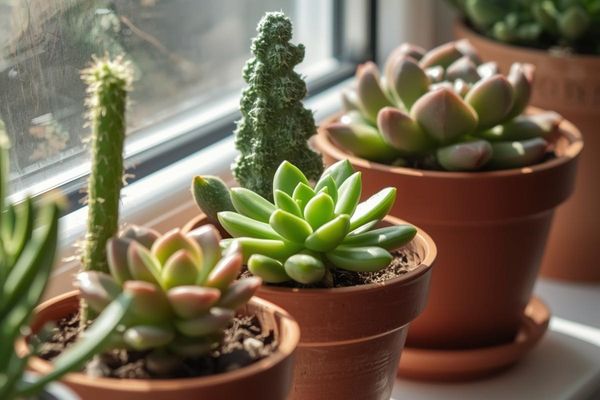
Caring for plants has brought me so much joy, but I’ll admit that I didn’t get everything right from the start. In fact, some of my biggest gardening lessons came from mistakes I didn’t even realize I was making. The good news is that most plant problems are easy to prevent once you know what to look for. If you’re just starting your plant journey, learning from these common mistakes can save you a lot of frustration—and maybe even a few plants.
Giving Plants Too Much Water
If I could go back and give my beginner self one piece of advice, it would be this: don’t water your plants just because the watering can is nearby.
I used to think frequent watering was the secret to healthy plants, but I quickly learned that soggy soil is one of the fastest ways to damage their roots. Most houseplants actually prefer the soil to dry out slightly before they get another drink.
Now I always check the soil first. I simply stick my finger about an inch into the potting mix. If it still feels damp, I leave it alone. This tiny habit has completely changed the way I care for my plants.
I also make sure every pot has proper drainage. Excess water should always have somewhere to go instead of collecting around the roots.
Forgetting to Water
Ironically, I’ve also gone in the opposite direction.
Life gets busy, and every now and then I realize I completely forgot about a plant sitting on a shelf. While missing one watering isn’t usually a disaster, letting the soil stay dry for long periods can stress the plant and slow its growth.
Instead of following a strict calendar, I now pay attention to each plant. During warmer months they usually need water more often, while winter often means longer breaks between waterings.
Wilted leaves, dry soil, crispy edges, or drooping stems usually tell me it’s time to grab the watering can.
Placing Plants in the Wrong Light
I used to buy plants based only on how pretty they looked, then place them wherever I had an empty space. Not surprisingly, some of them weren’t very happy.
One thing I’ve learned is that light can completely change how a plant grows. Some species love direct sunshine, while others thrive in bright but indirect light.
Whenever I bring home a new plant, I spend a few minutes learning what kind of light it naturally prefers. Then I watch how it responds over the next couple of weeks.
If the stems stretch toward the window or the leaves become smaller than usual, it’s often asking for more light. On the other hand, faded colors or scorched leaves usually mean the sunlight is a little too intense.
Using the Wrong Potting Mix
For a long time, I assumed all soil was basically the same. I couldn’t have been more wrong.
Different plants need different growing conditions beneath the surface. Succulents appreciate fast-draining mixes, orchids prefer chunky bark, and many tropical plants enjoy soil that stays lightly moist without becoming compacted.
Using the right potting mix has made a noticeable difference in how quickly my plants grow and how healthy their roots stay.
Whenever I repot a plant, I choose a growing medium designed specifically for that type of plant instead of using a one-size-fits-all approach.
Choosing Decorative Pots Without Drainage
I’ll admit it—I still fall in love with beautiful decorative pots.
The problem is that many of them don’t have drainage holes. I learned the hard way that a gorgeous pot isn’t much use if it slowly drowns the roots.
Now I either choose containers with drainage holes or keep the plant inside a nursery pot and place that inside the decorative one. That way I get the best of both worlds without putting my plants at risk.
Fertilizing Too Much
When I first discovered fertilizers, I assumed they worked like vitamins. More fertilizer had to mean faster growth, right?
Not exactly.
Too much fertilizer can burn roots, damage leaves, and actually slow down healthy growth. These days I feed my plants only during their active growing season and always follow the recommended amount.
Sometimes I even use a weaker solution than suggested, especially for smaller or more delicate plants.
Ignoring Early Signs of Trouble
One thing gardening has taught me is that plants almost always give little warnings before a problem becomes serious.
Yellow leaves, brown edges, soft stems, unusual spots, or slow growth usually mean something needs attention. Instead of hoping the issue disappears on its own, I try to investigate as soon as I notice a change.
Catching problems early is almost always easier than fixing them later.
Forgetting to Check for Pests
Tiny insects can appear even on healthy-looking plants.
Every week or two, I make a habit of looking underneath the leaves and around the stems. It only takes a minute, but it’s often enough to spot pests before they spread.
If I notice anything suspicious, I separate the affected plant from the others and treat it right away. Neem oil, insecticidal soap, or simply cleaning the leaves can often solve the problem before it becomes a real infestation.
Expecting Instant Results
This may have been my biggest mistake of all.
I wanted every new plant to grow quickly, produce fresh leaves overnight, and look perfect all the time. Gardening doesn’t really work that way.
Plants grow at their own pace, and that’s part of what makes caring for them so rewarding. Some weeks nothing seems to happen, and then suddenly there’s a brand-new leaf waiting to surprise me.
Learning to be patient completely changed my experience as a plant lover.
Final Thoughts
Looking back, every mistake helped me become a more confident gardener. I still make the occasional error, but now I see them as opportunities to learn rather than failures.
If you’re taking care of your first few plants, don’t put too much pressure on yourself. Observe them, stay curious, and remember that every experienced gardener started exactly where you are today. Sometimes the best gardening lessons come from the plants that challenge us the most.